Pubblicità


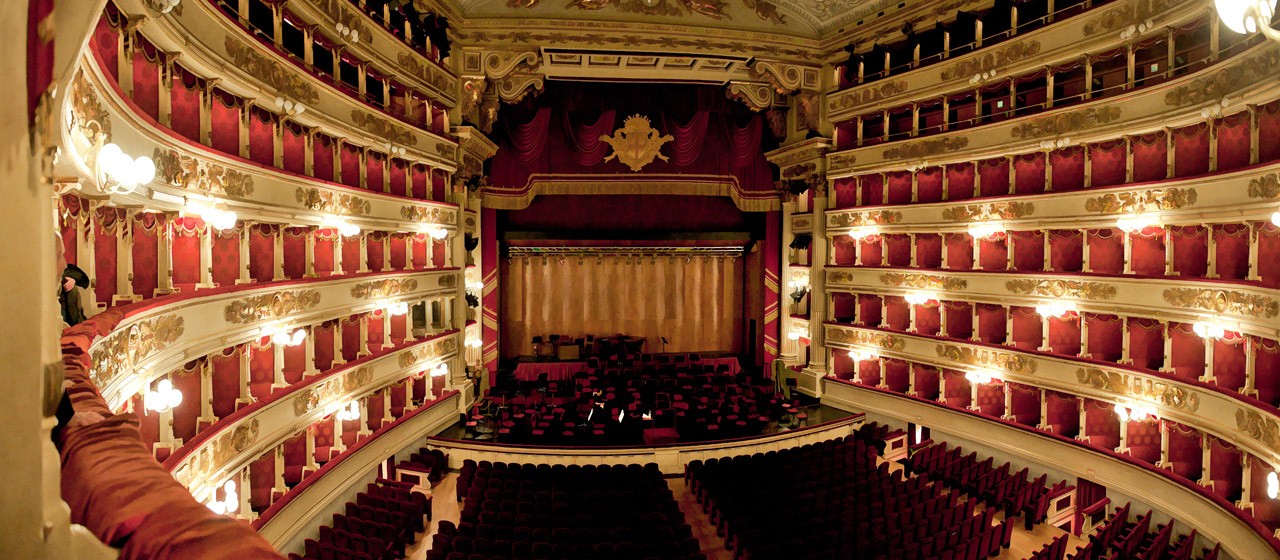


The famous Teatro alla Scala in Milan has had, throughout its history, several points of contact with Swiss figures and cultural institutions. And the collaboration with Swiss citizens continues to this day. Like many theatres of the 1700s, the Teatro della Scala in Milan is completely integrated within the city. Every modernisation and extension project must therefore contend with the few spaces available, because of the neighbouring buildings.
As we write, the renovation of the new premises located in via Verdi in Milan is under way, carried out by the famous Swiss architect Mario Botta . The restoration works involve an intervention in an 11-storey building purchased for the purpose, adjacent to the theatre. From the middle of 2024, the scheduled completion date, the building will house the new orchestra rehearsal room, several rehearsal rooms for the ballet company, along with various offices that are currently located in streets near the theatre and not in the main building.

This is not the first time the Swiss architect has led the renovation works of the theatre. Back in 2004, in fact, Mario Botta had directed its renovation. Botta himself said at the press conference inaugurating the first intervention: “A courageous and visionary decision by the Milanese aristocracy of the time [in 1778, editor's note] , which decides to place the theatre at the centre of the city.”

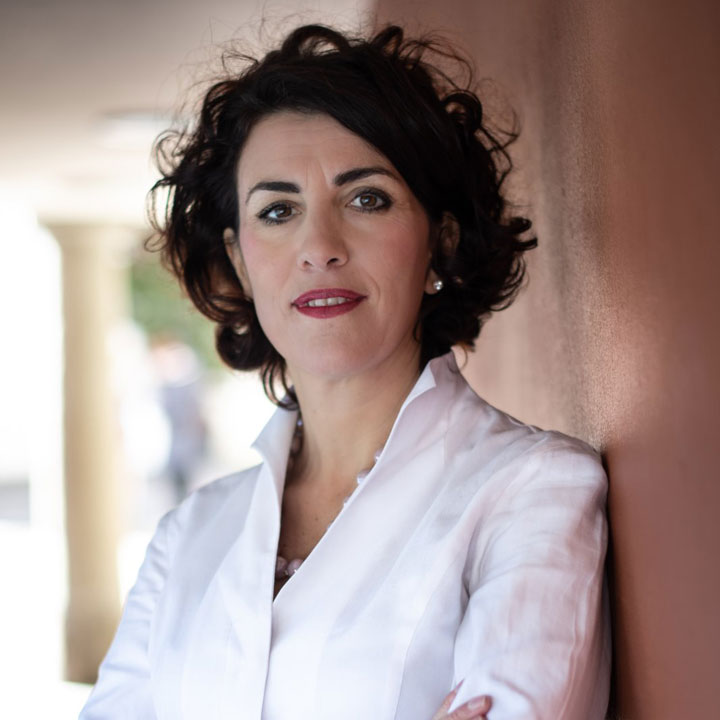
The famous set designer Margherita Palli, originally from Mendrisio, has been collaborating for some time with the Milanese theatre. Among other things, she created the sets for Rigoletto last season and this year she coordinated the making of the sets for the opera Fedora, setting 1 of the 3 acts with scenery inspired by the Engadine.

During the presentation of the current season, superintendent Dominique Meyer took part in Zurich in the press conference presenting the 2022/2023 season, held at the Zurich University of the Arts.
Alessandra Ferri, an Italian dancer and étoile of the Scala theatre in the 1980s, completed her studies thanks to a scholarship won in 1980 in Lausanne. Ferri in fact came first in the famous international competition Prix de Lausanne which since 1973 has rewarded the most promising talents on the world stage.

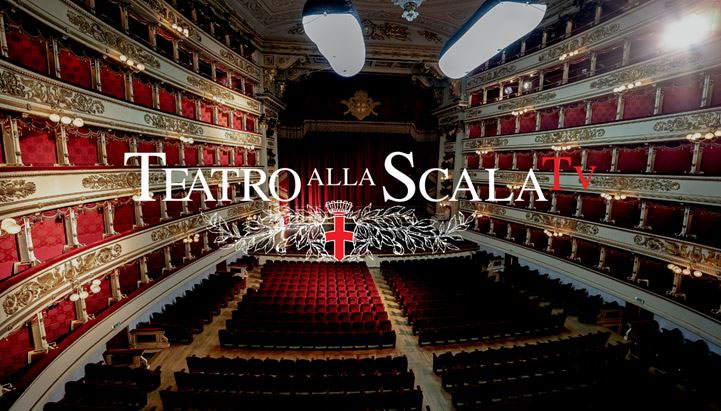
In February of this year the Milanese theatre launched its streaming project ScalaTV, which offers the chance to watch many of the productions on the programme. We consider this an excellent initiative, giving the chance to follow the stagings also to those who, from Switzerland, wish to share the experience with the audience in the hall.