Pubblicità


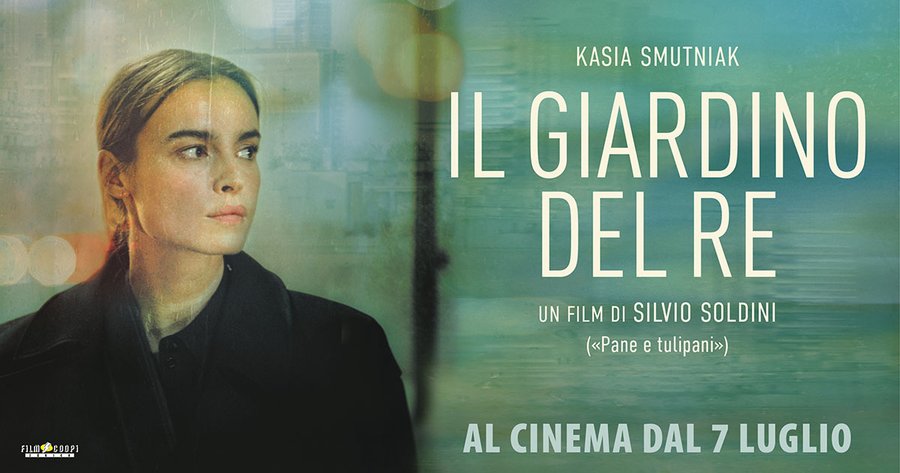


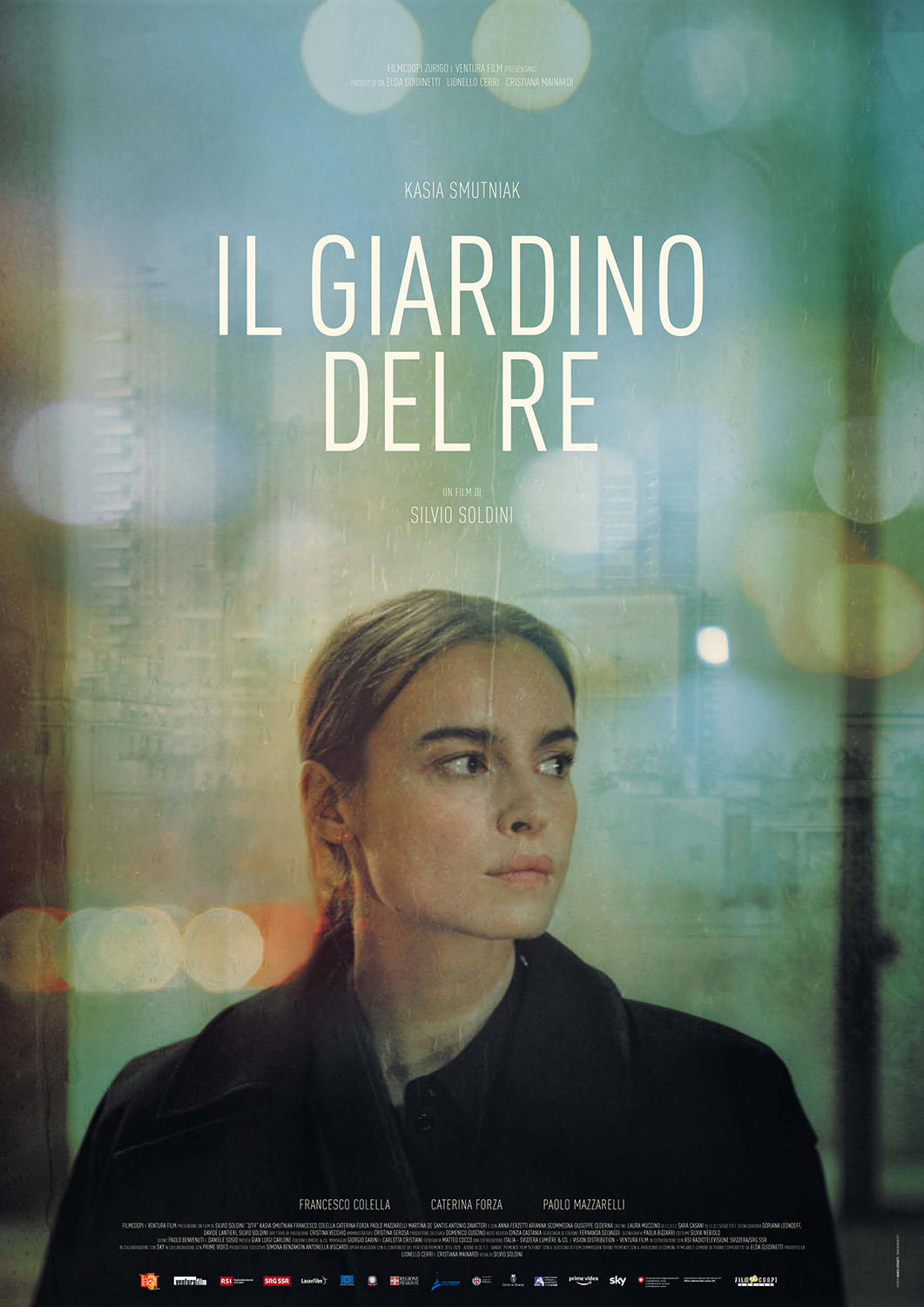
Watching the new film “Il giardino del re” (The King's Garden) offers several starting points for reflection, because it tackles one subject as its main thread, to which other realistic and topical themes are attached. We talk about it in the interview that director Silvio Soldini gave to Tuttoitalia.
Mr Soldini, in your best-known film “Pane e Tulipani” (Bread and Tulips) you had chosen a title that was clearly a tribute to the Italian comedy of the 1960s and to De Sica's films. In this new feature, on the other hand, the title is not so easy to work out… Yes, it really is a very cryptic title, but while working on the film I went to find out more at the place where this number makes sense. It is the same place where the main character goes in search of a man and, fundamentally, of herself. The person in charge of that gloomy place explained several things to me that helped me build my film and, among them, this number, which struck me deeply and which I decided to turn into the main title.
We are indeed talking about a mortuary, where the man in charge becomes the co-protagonist. In a world of series and books in which these settings have given room only to forensic doctors and autopsies, it is a very different choice… Exactly, the plot of the film also follows this point of view, which very few people know about, and it is very interesting to understand how this job is experienced by those who do it. As I said, the film deals with many themes, and among them the extremely concrete and interesting perspective of this character, who always remains in the shadow of plots and screenplays.
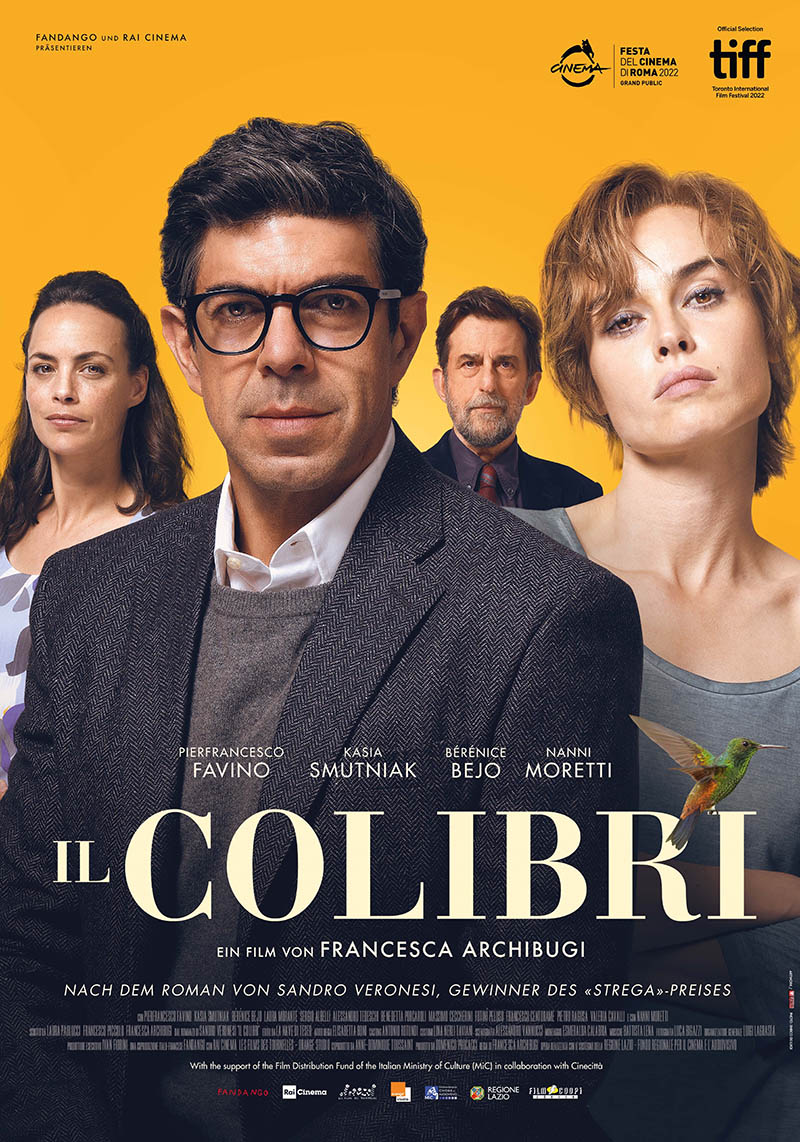
The choice of the lead actress, Kasia Smutniak, was also perfect: she is a seasoned actress with a sadly painful past behind her (the death of her husband Pietro Taricone, editor's note), which allows her an extremely credible and profound performance, isn't that so? We shot during the pandemic and the pool of available actresses was smaller than in previous years. But when Kasia was suggested to me for the role of this woman who behaves like a “general”, I immediately thought she was perfect. Also because she really is the daughter of a Polish general and grew up in a harsh, cynical environment like the military one.
The beauty of this film also lies in the way the main character and her working environment are set up: the first scenes, in terms of dialogue, are almost incomprehensible to anyone outside the field. Was that deliberate? Yes, exactly. I portray a career woman who has to dominate and constantly try to prove that she is superior in a man's world. The use of English terms to describe the environment she works in is a deliberate choice, to convey the level, including the level of work stress, she is subjected to in order to hold a position where she has to elbow her way through and work around the clock. She is a career woman, like many today, but one who has chosen to cut herself off by devoting herself entirely to work and neglecting her family and love as well.
So the turning point is the accident she is involved in? Of course. It is from that point on that the main character, Camilla, stops and starts asking herself questions about the priorities of her life, about her path and about her professional goals, which become less and less important as her discoveries and her journey through the film go on.
Here we come to the themes of this feature film, with its many starting points. The film deals with the theme of the lone career woman who lacks the foundations of a solid emotional life outside her gruelling job. I talk about illegal immigration and about this social class that stays hidden, although that does not make their lives worth less than those of people who live in plain sight. I deal with family problems with teenagers who, as the generation of the future, want to save the Amazon and are not interested in their parents' high-level professional achievements. And also with finding oneself again, being reborn and understanding the values of life.

A well-made, very thoughtful film that discusses contemporary issues and also small everyday moments, yet completely different from the lightness and irony of “Pane e Tulipani”, which in 2000 also won the David di Donatello for best film, best director and best actors. Our cinema still needs films of this kind to keep up the level of the masters who made it famous in commedia all'italiana. You have also devoted yourself to several fine documentaries, but it would be lovely if you gave us another masterpiece like that… It takes the right inspiration. You cannot build an ironic, well-acted film with a good screenplay at a desk, without having the right idea and the right spirit. Pane e tulipani began as a small-budget film, with actors I did not know at the time (Bruno Ganz was one of the most talented and best-loved Swiss actors, born in Seebach, even though he played almost only dramatic roles, such as Hitler in the Oscar-nominated film “La caduta”, Downfall), and its extraordinary success was a surprise for us. I hope I still have the inspiration!
Cinema has evolved, it has changed: television series have taken the place of films in the public's interest. Do you think that the oversupply, and also the waiting times, sometimes years, before you can see the end of a series, will sooner or later tire the audience out and bring people back to appreciating a simple 90-minute feature film? I hope so, also because going to the cinema is magic, it is sharing. It is another way of enjoying moving images, thanks to the atmosphere, the perfect sound, the screen. There is no question that seeing a film at the cinema and seeing it on television are different: on television it is less involving. I watch series too, the ones I am sure have already finished all their seasons. Some are really good, because there is the chance to build the characters with more time available. But if you manage to do the same thing in 90 minutes, then a film seen in a cinema gives you different emotions.
Thank you for this interview, Mr Soldini, and see you at the cinema!