Pubblicità




Disarming because of the undeniable concentration the audience needs in order to follow the continuous shifts in space and time which, although they are disorienting at first, are perfectly grasped and appreciated over the course of the film, above all in the closing sections where everything comes together in a straight line. The film is a concentrate of life in which the different approach each person has to life as a couple, to love, to death and to extreme suffering is laid bare. This film, taken from the novel by Sandro Veronesi (Premio Strega), has absolutely nothing banal about it, even though the dynamics it puts forward have already been tackled in countless films. But, when it comes down to it, what is more interesting than partly recognising these lived experiences?
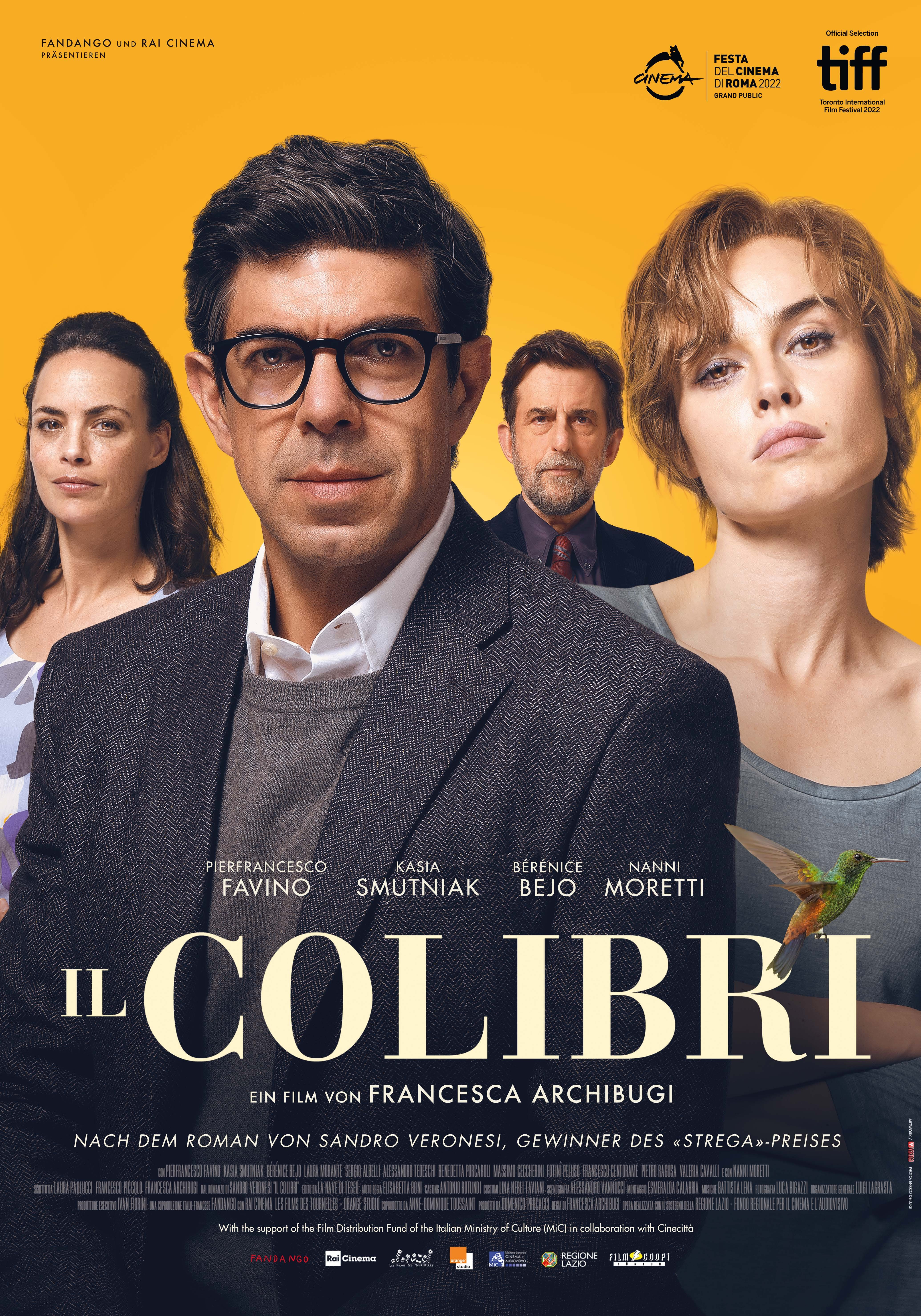
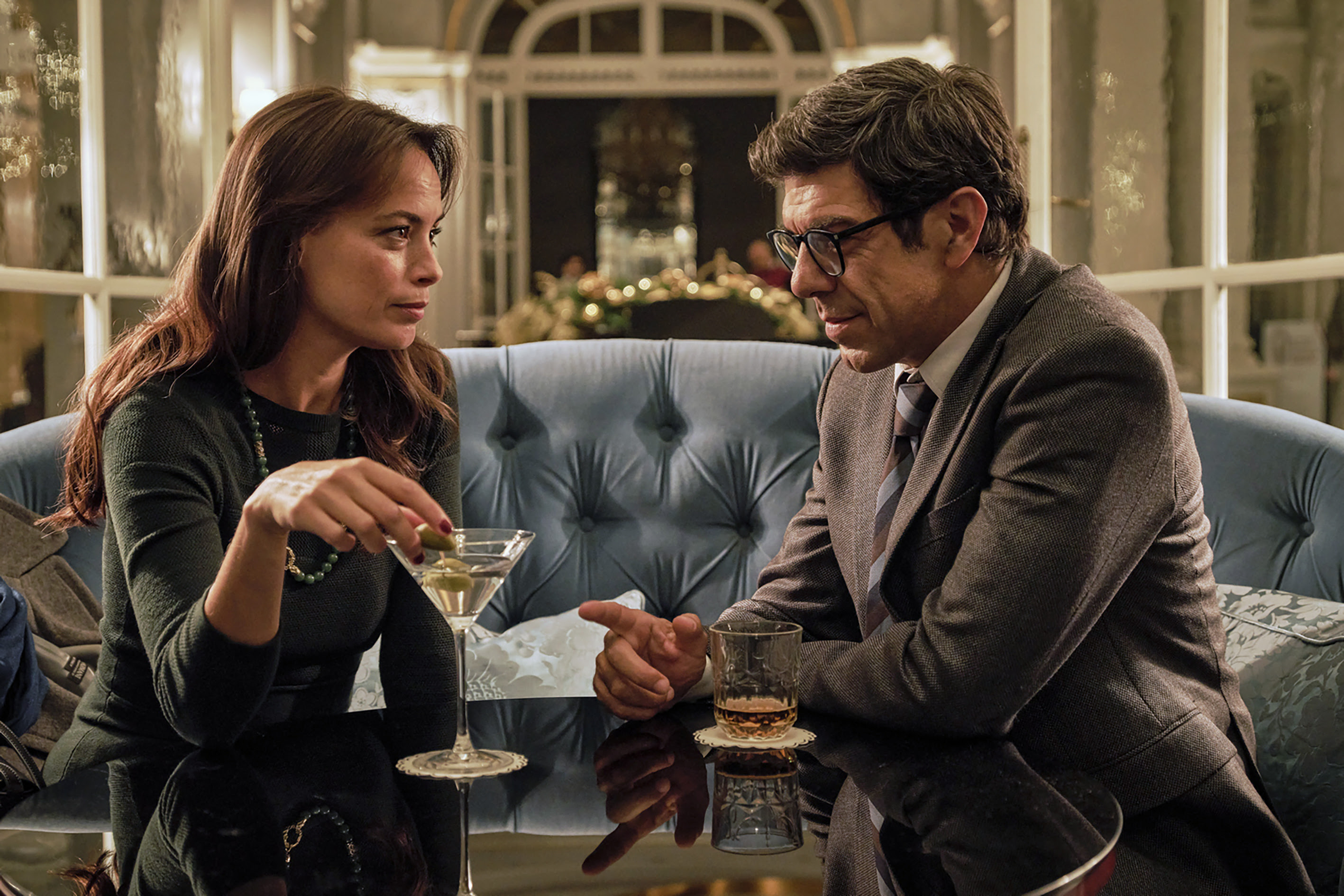
The story of the doctor Marco Carrara, called “il colibrì” by his mother because of his slight build, later made powerful thanks to questionable supplement methods drawn from his father's recipes, begins in his childhood and stretches to the end of a troubled life of pain, falling in love, betrayals and disillusionment. Favino brings to the screen a character who at first irritates us for his failure to take a stand, for not looking at reality and simply enduring it, for cutting his own life short and standing still. But it is here that the direction of Francesca Archibugi, full of details that recall precisely this inertia of things, leads us to reassess that stillness as simply consistency, honesty and certainly a fragility that creates empathy in the viewer. As the mosaic gradually comes back together, we discover how precious that stasis is when it comes to withstanding life's adversities. Suddenly we no longer see Marco as an inept man who cannot react; we see him rather as a man full of love and capable of incredible resilience.
Thanks to a superb performance, Favino carries us from seaside holidays in the 1970s to an imminent future, following the twists of love and the misfortunes that brush against the life of a man perpetually and platonically in love with a French neighbour from the house by the sea, who ends up marrying another woman and dodging the lightning bolts that graze him, carrying away acquaintances and people who on the one hand make up the whole of his affections and, at the same time, the origin of his neuroses.

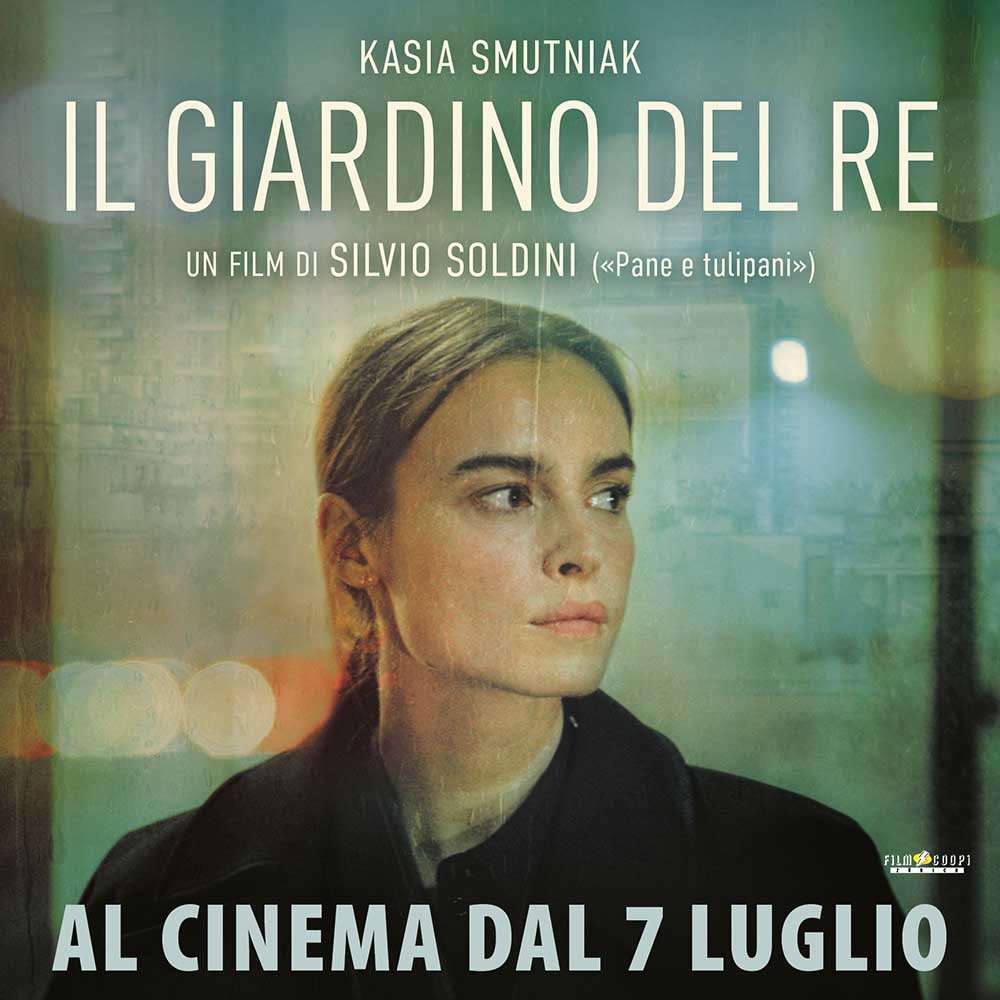
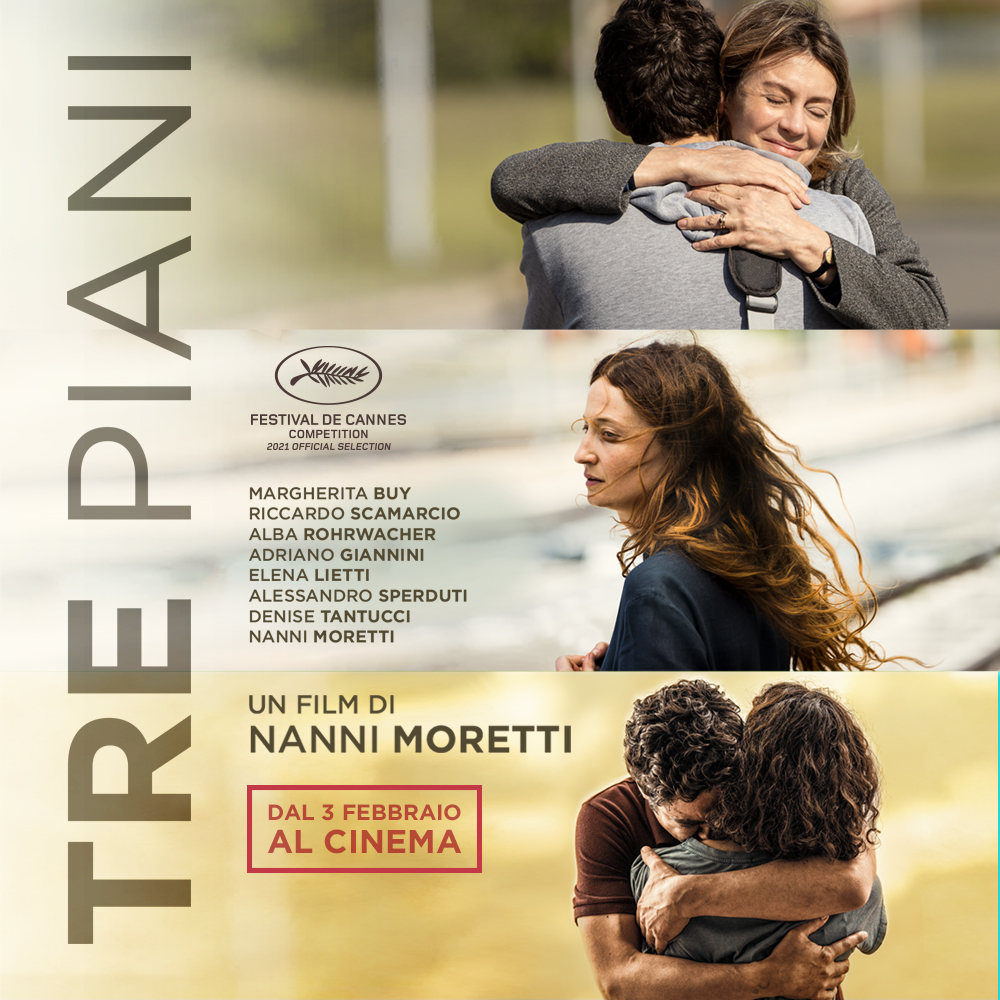
The cast, made up of Nanni Moretti as a psychiatrist, Kasia Smutniak as the neurotic wife, the always excellent in such roles Laura Morante and also a small, paradoxical part for Massimo Ceccherini, completes and enriches the performance of Pierfrancesco Favino. The high point of the film is certainly doctor Carrara's monologue on the inversely proportional feeling of being a winner in his practice while morally declining: an interesting view of how life should be lived, admitting one's own mistakes and pettiness, which makes you reflect on the priorities of life itself.
The film closes with us loving the protagonist, who shows admirable courage and unites the whole audience in a moved appreciation. The closing song “Caro amore lontanissimo”, performed by Marco Mengoni, is the perfect ending for this film, one not to be missed.