Pubblicità


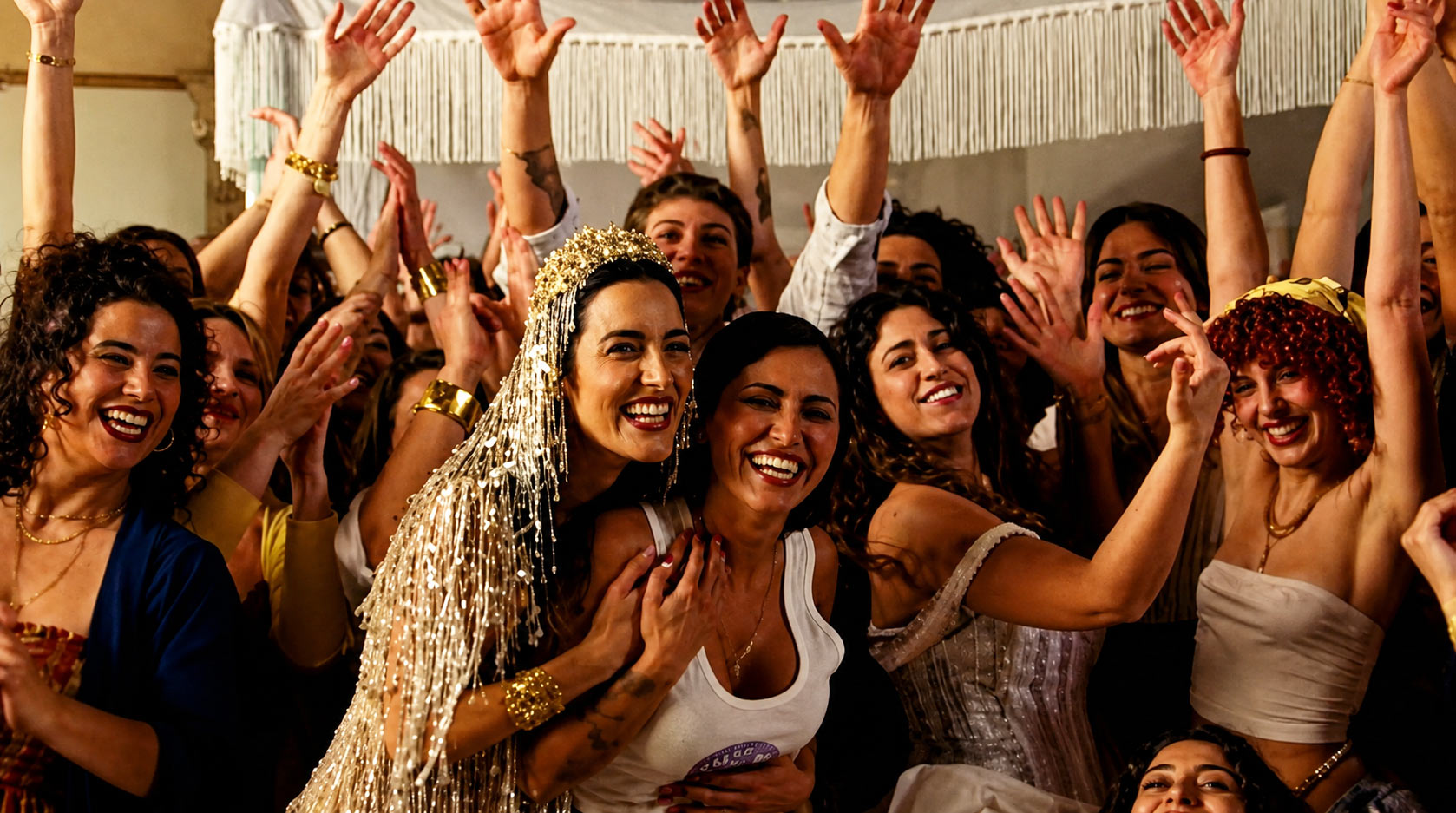


There's a phrase that entered the collective lexicon this summer even before becoming a newspaper headline: when I return to my village it's always a celebration. It's the emotional core of "Al mio paese", the single that Serena Brancale wrote with Levante and Delia, released on April 3, 2026 as an extract from the album Sacro. Behind its catchy appeal lies a precise story: that of those who live far from their homeland and return for the holidays, rediscovering a time and a community that elsewhere seem lost. It's exactly the sentiment on which Italy is building one of its most ambitious cultural and economic policies.
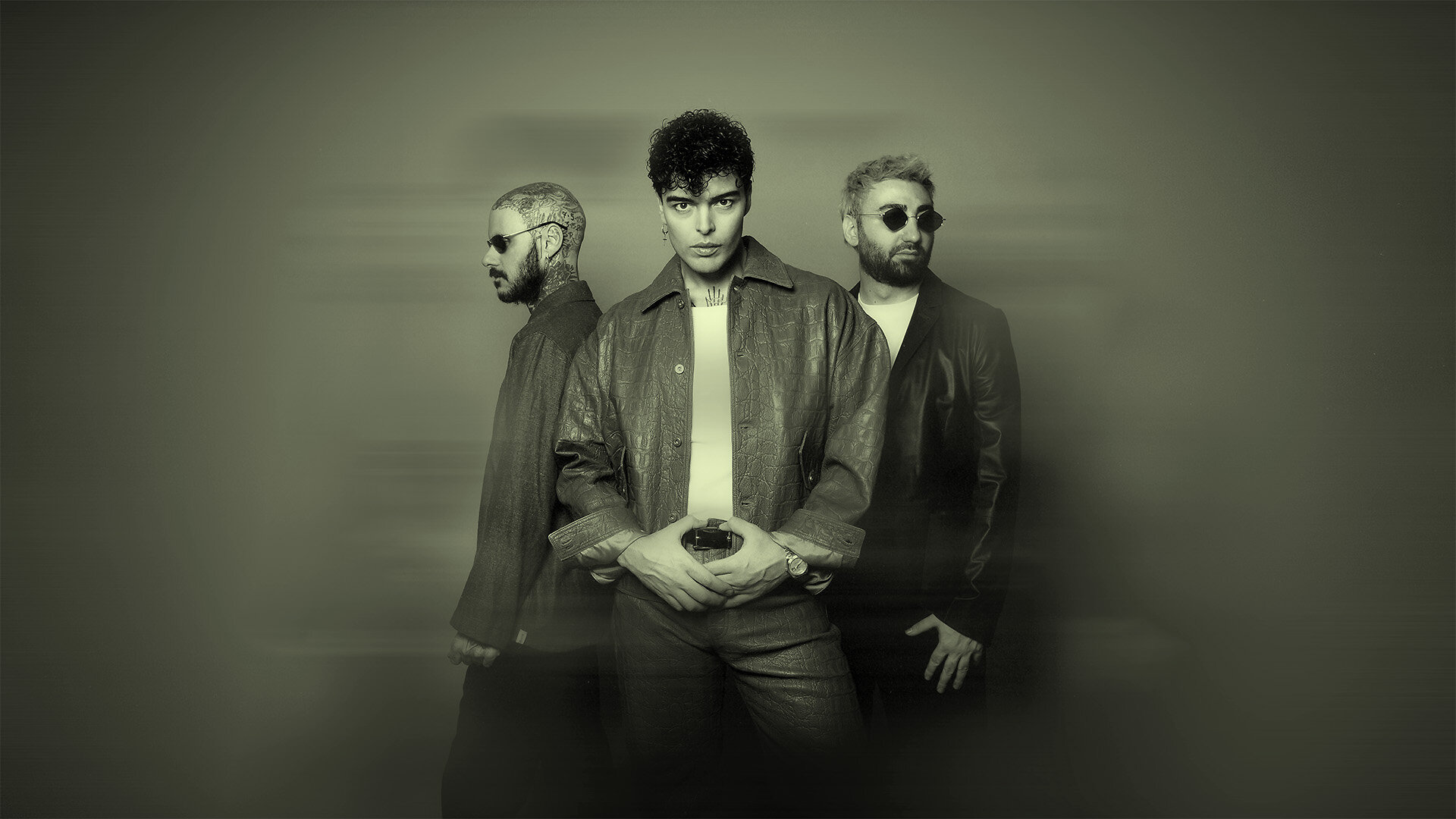
"Al mio paese" was born from the meeting of three southern voices: Brancale, from Bari, brings her R&B intertwined with dialect; Levante and Delia come from Sicily with opposite sensibilities, one more narrative, the other more instinctive. The song, written by the three artists with Alessandro La Cava, Federica Abbate and Simone Capurro, produced by Carlo Avarello and Manuel Finotti (Gorbaciof) for Isola degli Artisti / Warner Music Italy, draws heavily from southern musical traditions: taranta, pizzica, tammuriata, within a radio-friendly and contemporary arrangement.
The result has solid numbers. Certified FIMI gold record at the end of June 2026, the single dominated EarOne's airplay chart for weeks, returning to the top in the middle of summer and establishing itself as one of the year's sonic manifestos. The music video, directed by Marco Braia and shot in the streets of Ortigia in Syracuse, stages the return to one's roots as a collective celebration. Brancale herself explained that she conceived it as a piece dedicated to those living away from home, built on images she misses and remembers.
The song's strength lies entirely in the contrast it declares from the first verses. On one side, life elsewhere: nights in the subway, the feeling of being a nomad among the crowd, the distance. On the other, the village, where the holidays begin the very moment of arrival.
The images flowing through the lyrics compose a liturgy of slowness: ladies sitting in front of their homes chatting, always crowded squares, lit decorations, Madonnas in churches and patron saints, white sheets hanging in the wind, children playing in the middle of the street, relatives to visit one by one because otherwise "they get offended." It's a world where, the song says, there's no hurry. Time isn't measured by urban deadlines, but by the dilated rhythm of celebration, ritual, and relationship.
Here lies the nostalgic core that explains its success: the song doesn't promise a place, it promises a rhythm. It offers listeners, especially those who emigrated for study or work, the possibility of reconnecting, even if just for the duration of a song, with a temporality made of belonging rather than productivity. The patron saint's festival, with its fireworks and stalls, becomes the symbol of an identity that resists uprooting. Not by chance, Brancale's tour, the Sacro Tour, after crossing Europe starting from London, will conclude in October 2026 in Bari: returning home after the international journey is the very gesture the song narrates.
That nostalgia isn't just a pop sentiment. It has become a lever for territorial development with a precise name: roots tourism. The phenomenon involves Italians residing abroad and Italian descendants, a potential pool estimated between 60 and 80 million people worldwide, who return to Italy to rediscover their families' places of origin.
The Ministry of Foreign Affairs and International Cooperation (MAECI), through the Directorate General for Italians Abroad, has structured the offer in the Italea program, funded by the PNRR with support from NextGenerationEU and launched in 2024, proclaimed "Year of Italian Roots in the World." The name derives from talea, the technique by which a plant, cut and replanted, puts down new roots: the declared metaphor of return to the "mother plant."
The numbers tell a story of rapid growth. In 2024, 6.6 million visitors were recorded, up 13.8% from the previous year, for an economic flow of about 5 billion euros, up 34.4%. In 2025, over 7 million presences were exceeded. For 2026, over 7.4 million travelers are expected, with estimated spending exceeding 5.5 billion euros; according to Ministry assessments, at full capacity the sector could generate an additional flow of up to about 8 billion euros per year.
The program has involved about 800 municipalities, selected through a special call, which have already organized hundreds of events aimed at Italian communities worldwide. The Italea portal registered over 160 million views in 2025 alone and already has about 15,000 ItalEA Card subscribers. The regions most sought after by those returning to family places are Veneto, Emilia-Romagna, Lazio, Campania, Sicily, Calabria, Abruzzo and Puglia, largely the same South that "Al mio paese" sets to music.
One particular figure measures the depth of the bond: according to research by The European House - Ambrosetti, roots tourists stay in Italy an average of 9.8 days, compared to the 4-5 of traditional visits. They're not looking for a postcard, they're looking for their great-grandfather's village, the specific recipe, the hamlet written on a piece of paper. It's slow tourism by definition: the same dilated time the song celebrates.
Song and public program converge on an identical imagery (the celebration, the square, the return, the community), and this is where the phenomenon becomes interesting, but also questionable. "Al mio paese" sparked controversy precisely on this ground. Several voices in the southern debate, including creator Claudia Fauzia and some commentators from southern publications, contested the stereotypical and "exoticizing" representation of a South reduced to a place of suspension and holidays, a South "that exists only for tourists and those living away for a handful of days a year," emptied of those who live and work there all year round. Others defended the song, noting that it was written by three southern artists telling a real feeling, that of nostalgia for those who left.
It's the same tension running through roots tourism. The risk of the "postcard" (the picturesque village good for a week in August) is the flip side of its opportunity: countering depopulation, deseasonalizing flows, supporting employment in hospitality and commerce in small centers. The difference between folklore for export and real development is made by concrete details: the 9.8 days of stay, year-round events, the network of emigration museums, the involvement of municipalities as active subjects and not as background.
Seen this way, "Al mio paese" isn't just the summer hit. It's the soundtrack, unrequested but perfect, of an institutional bet: transforming nostalgia, what some would call melancholy, into a contemporary phenomenon, capable of bringing economy, people and future back to the places people had left. The celebration that "begins when I return to my village" is the same one MAECI would like to make, for those villages, a little less seasonal and a little more lasting.
Photo: Serena Brancale, Levante, DELIA - AL MIO PAESE (Official Video)