Pubblicità




The appointment is at 6 p.m., but to be safe we arrive more than twenty minutes early. Time is money, in certain circumstances more than in others. As we wait, we hear his voice arriving on the notes of Incanto.
See the photos
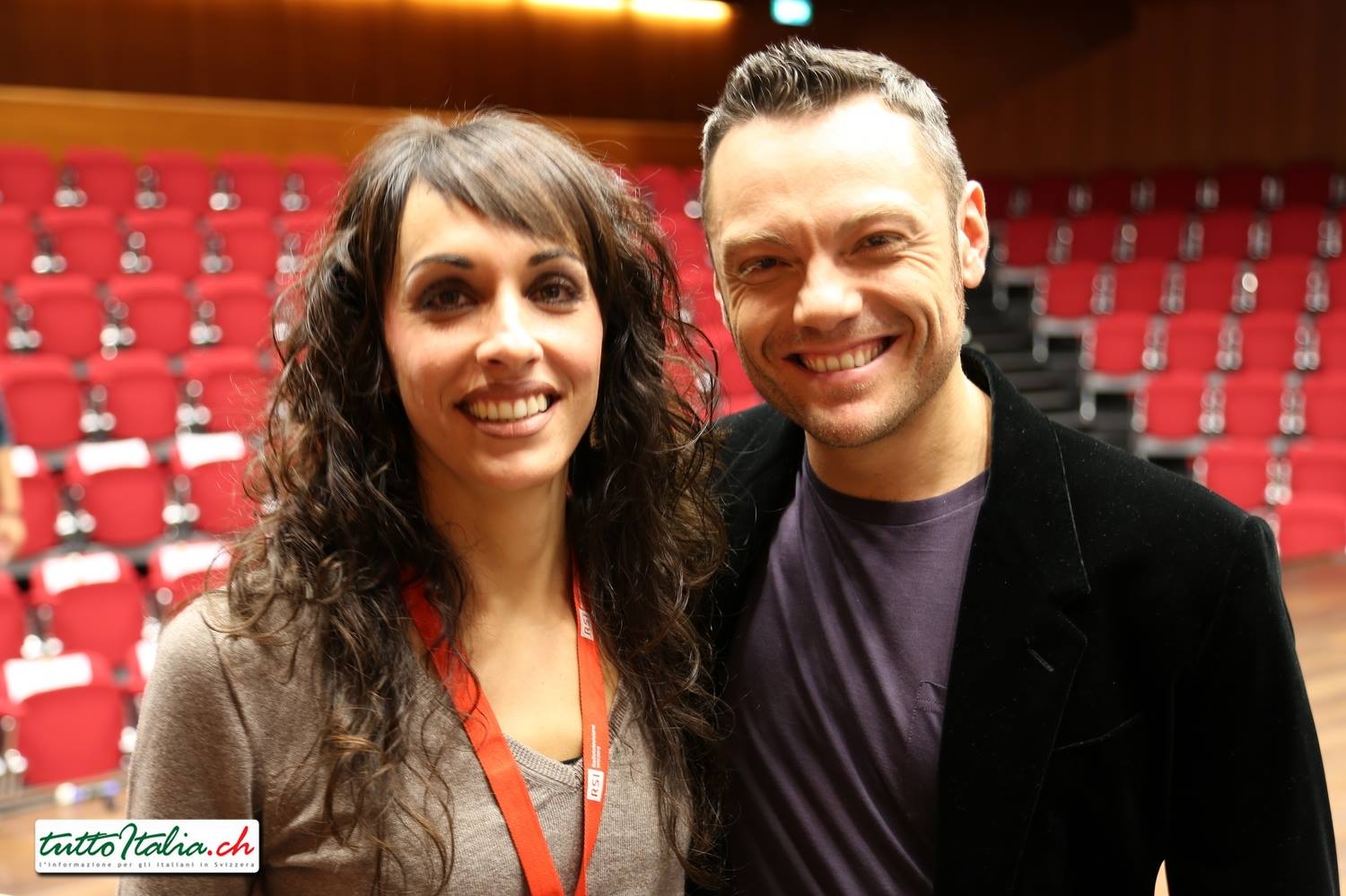
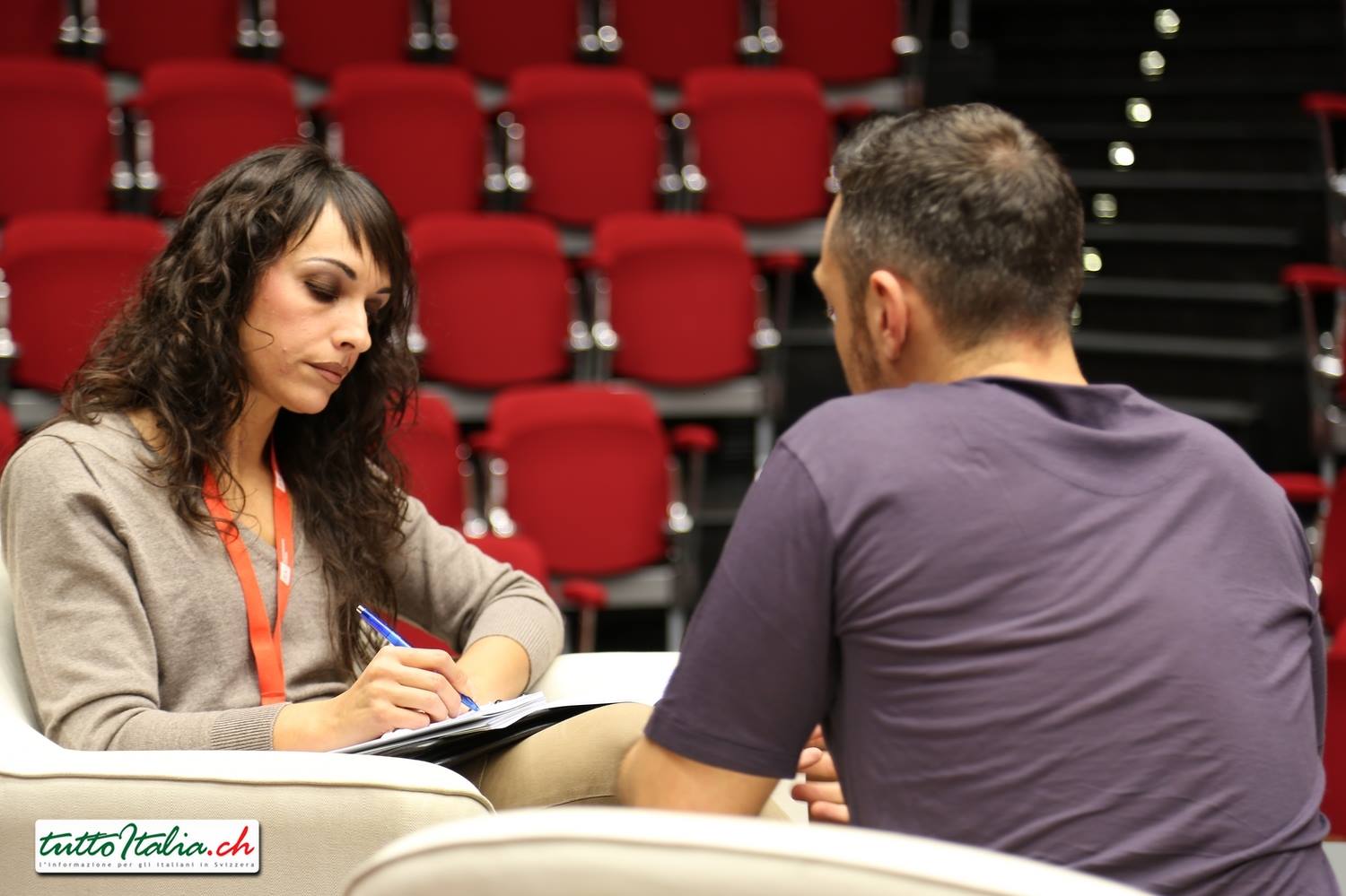
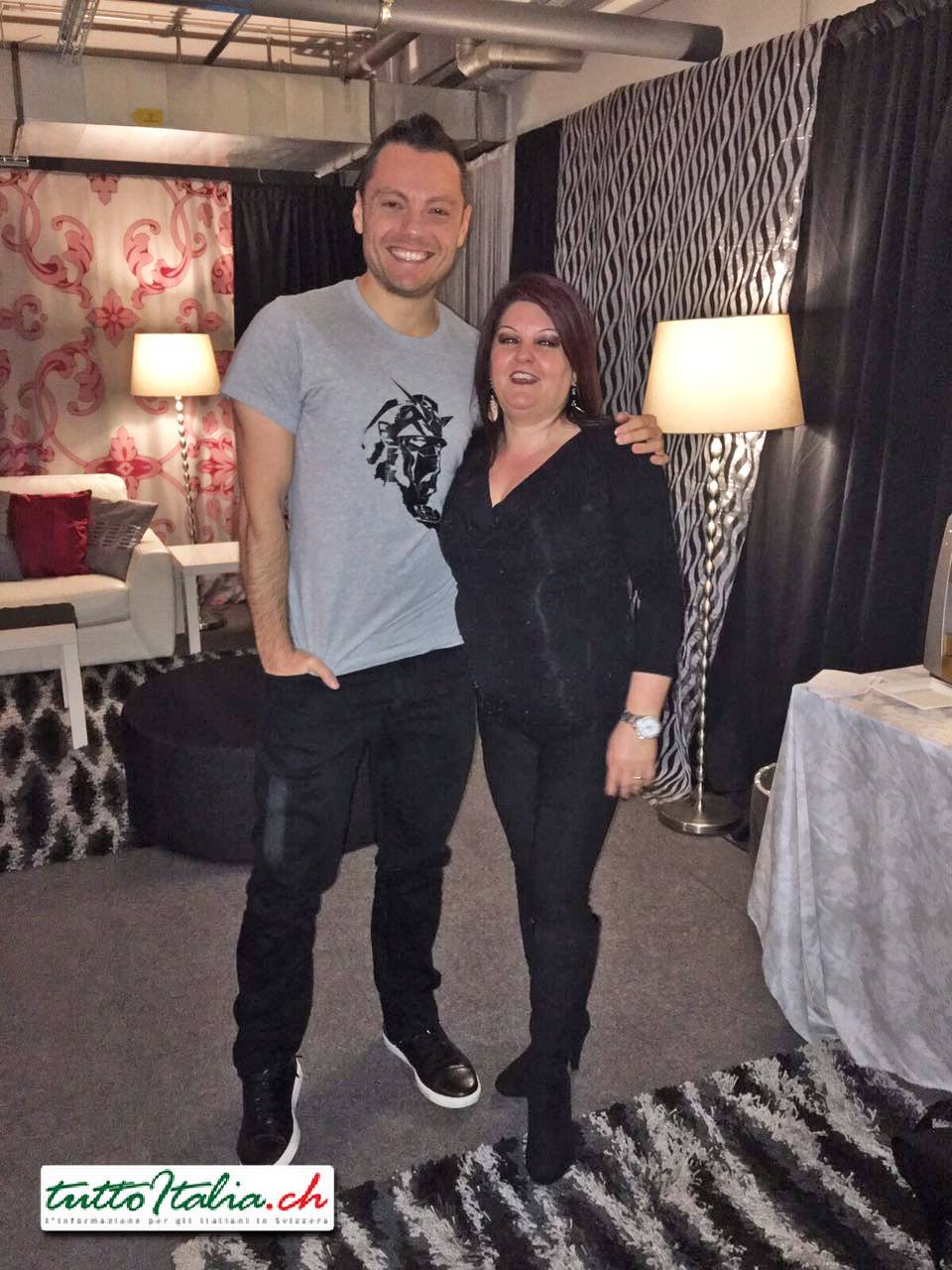
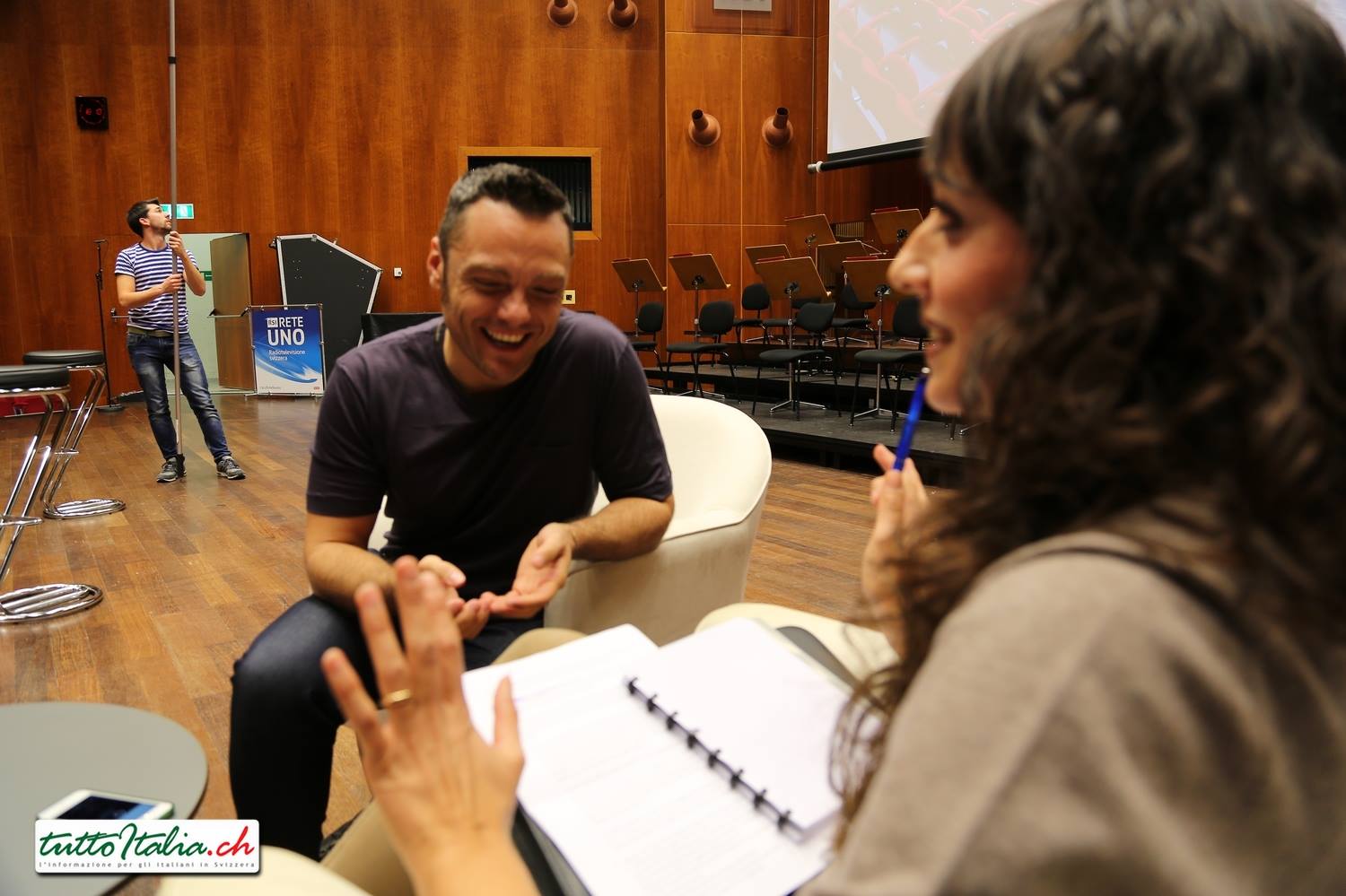
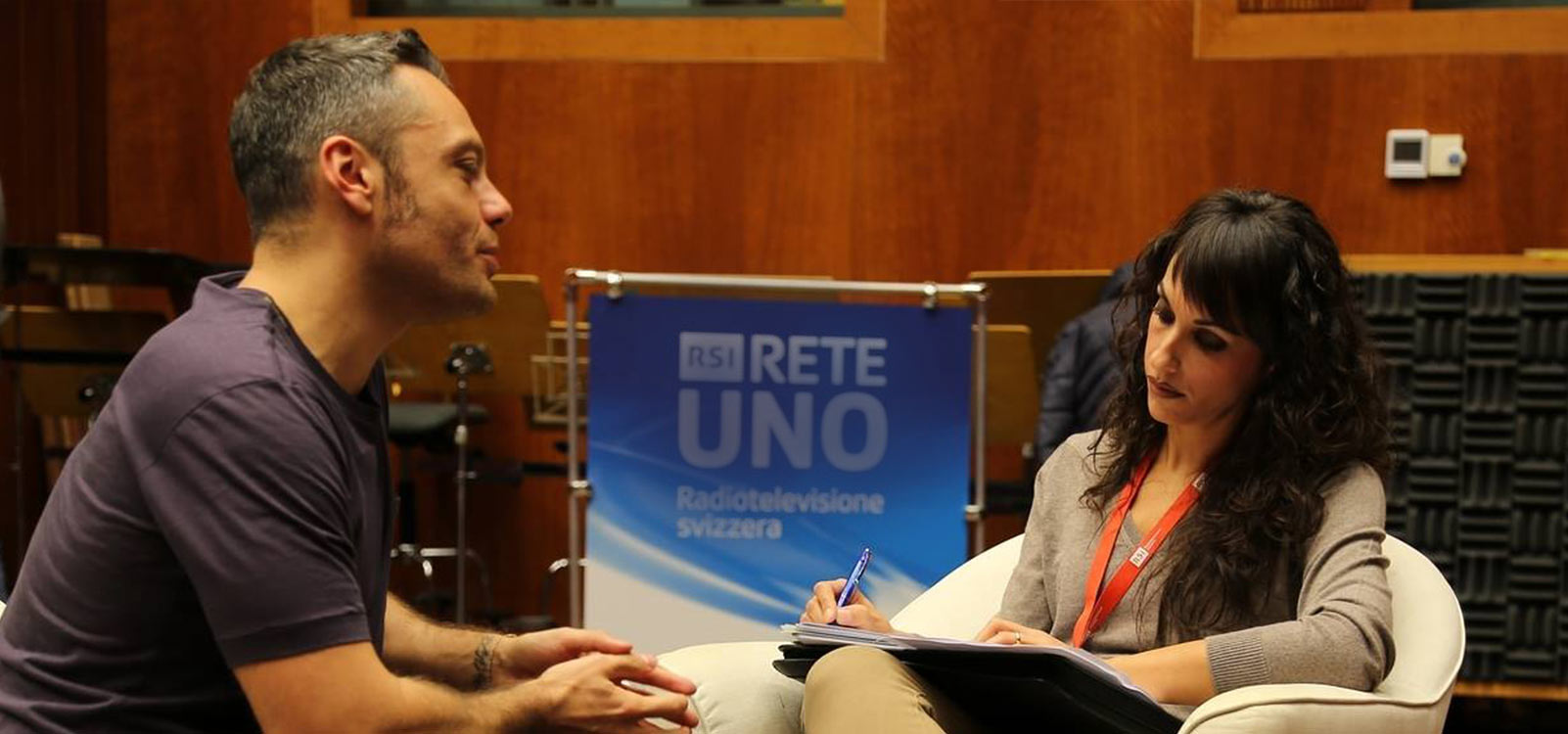
We manage to meet him at 6 p.m. sharp, as planned. After all, we are in Switzerland. And after all, punctuality is everything in this profession where, to quote his own words, “against the grain of life, everything is foreseen, planned and decided ... dates, times ... and there is never room for improvisation”. The studio is a television one, red armchairs for the audience, empty, and we in the centre of the stage with two small white armchairs. The room is large and there are too many people around. It seems hard to carve out a little piece of intimacy to open up, but sitting opposite each other I try nonetheless to create a positive atmosphere.
On the occasion of the dates of his European tour in Switzerland, I break the ice with a banal question: “what does it mean to sing abroad for your fellow countrymen?” “I am a person extremely attached to my own roots,” Tiziano begins, “I love the journey, the movement, the transition, but always with a view to returning; so I find it very romantic that many people rediscover in music a little piece of their homeland, and I feel responsible and close to the idea of being able to represent a small window in time and sentiment for the people who live abroad and want to have a bit of Italy near them. This, and also the idea of representing a tiny country that has nonetheless left marks everywhere, has always filled me with great enthusiasm.”

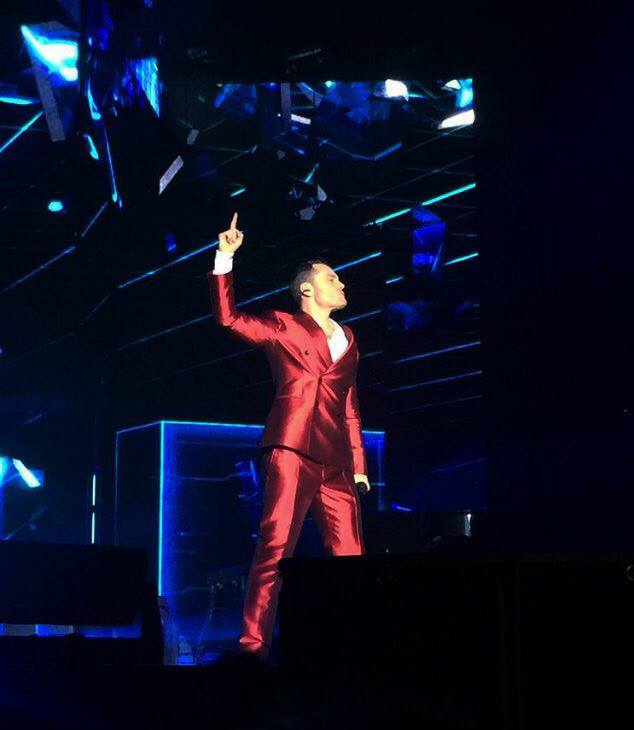
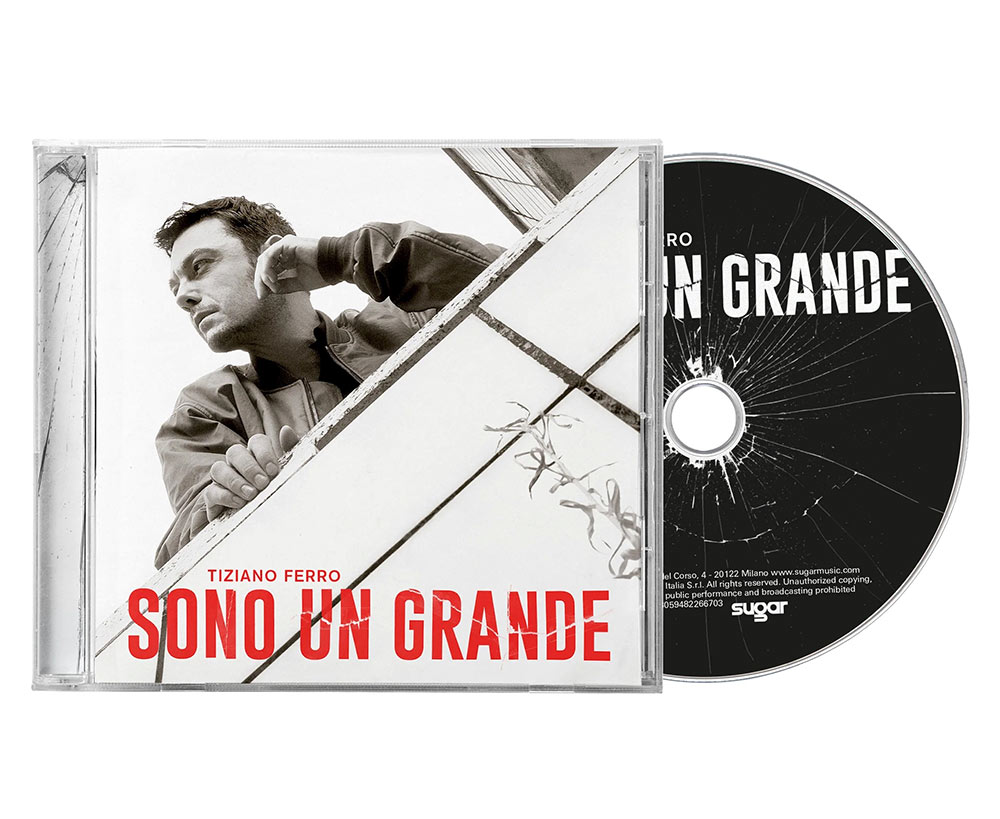
Another almost obvious question is the one about his current record TZN The best of Tiziano Ferro, released last year and of which a repackage was made. “A true and proper biography in music?” “Absolutely yes, I did not feel like making the classic sterile compilation with the singles and two new tracks; I liked the idea of telling a story that gathered songs from when I started writing them, that is from '97, when I was not yet a professional, songs never released but which existed because I have existed since then, and so I liked telling this story from the beginning. The idea was to shoot the final scene live, with the celebration in the stadiums, in the arenas ... it will be a fun party, an intense and dynamic concert, there will be only singles, without digressions and experimentation, a sort of album of memories, one song after another.”
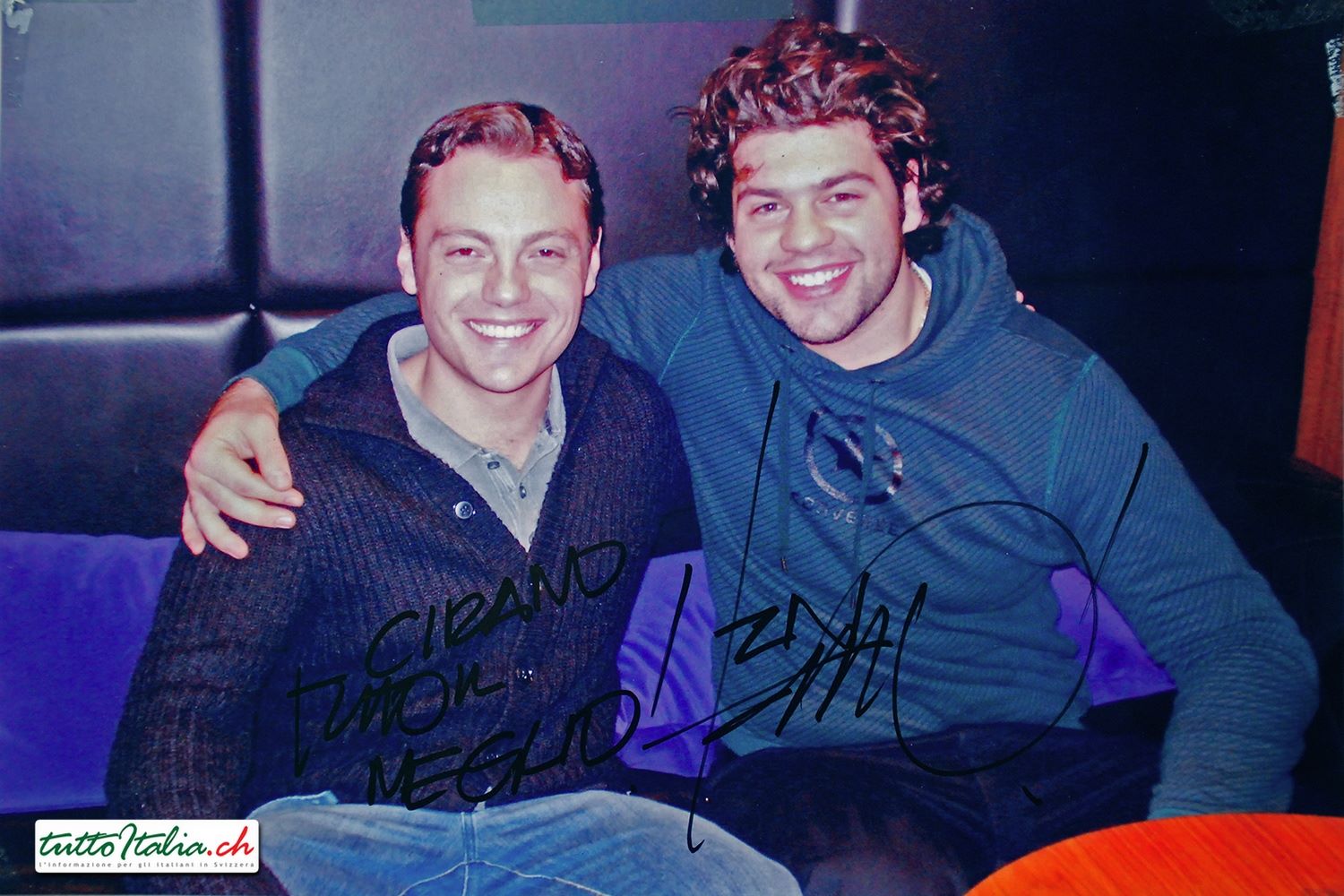
After the almost obligatory topics, I try to venture into the personal, atmosphere and distractions permitting. My question: “On a difficult aspect of adolescence you made an album, 111. Mara Maionchi, who was then the decisive person in betting on you, often tells the story of when you met, of the sacrifices and of her support along the journey of weight loss and towards success. It is certainly a matter of health and it is right to make that clear, yet at times it seems that appearance is a fundamental prerequisite for success. I mean: with 40 kg more or less, you are a good writer and singer. So is being good not enough? How do you avoid getting the wrong message across?” His answer: “I do not think the point is aesthetics, but the fact that I was not well with myself, and compensating with food certainly hid other kinds of personal urgencies. If someone is a bit chubby and at peace with being so, there is no problem at all. The problem was not the fat, but the dysfunctional attitude towards food, and that is what I worked on. Over the years I dismantled all those denials and insecurities. I started there, but it was only the tip of an iceberg.”
Success arrives more or less together with the new millennium. In 2001 Tiziano releases his first album, Rosso relativo; in summer the first single Xdono arrives and reaches the top of the charts. In 2002 the first tour, then the single Imbranato, and so on up to worldwide success. “How difficult was it to handle success at a time when you did not yet know how to give of yourself, to open up completely to the public for who you are?” “In reality it is unmanageable,” he confesses, “I lived at the mercy of what was happening to me, without any kind of awareness; I let myself be carried along, utterly unaware, in honour of the fact that things too beautiful to be able to stop were happening to me. I did not give myself time and I had no time to look inside myself, but I realised that what was happening was so beautiful that it was worth investing time and effort only in that. I knew I could not miss those trains, those chances, and I set myself a little aside. This probably slowed down the process of acceptance and of making peace with myself, but I was not capable of doing otherwise. I told myself that the day I could take time and space for myself would sooner or later arrive, as it then did.” Perhaps precisely to escape this success that was hard to handle and to rediscover a connection with himself, in 2005 Tiziano moves to London, and this represents, we read in the biography on his site, “another chance to live a normal life among bills and shopping lists”. “Did you feel and do you feel a need for normality?”, I ask him, “what does normality mean to you?” “Normality is the daily succession of things, even unforeseen ones. This is a profession that goes against the grain of life, a profession in which everything, dates, times, everything is foreseen, planned and decided, there is never room for improvisation. So every now and then you feel the need to disconnect and step out of this continuous self-reference, that is, it is always about you, you only talk about yourself, you listen little to others, you hear only yourself, singing, talking, and you feel the need to have an exchange and to take back the things that this profession sometimes takes from you.”
I take my cue precisely from his songs to ask a few quick little questions and draw out some curiosities for his fans. “At which moment of your life would you take a photo?” An immediate answer, without hesitation: “At the birth of my brother. I remember the first time they showed him to me, I was 11 years old, and it seems strange to me how so many recent things escape me, while the memory of that image is instead still clear and perfect, as if it really were a photo.” “Forgiveness. What have you forgiven yourself and what have you forgiven someone else?” “I live my whole life in the name of forgiveness, in the sense that I always try to live by freeing myself as much as possible from resentment and from the feeling of revenge towards others. I live seeking and hoping to forgive and to be forgiven always, without ever keeping tensions, and always dissolving disputes.” “Is there in your life this person who, even in fault and imperfection, is an enchantment?” “There was, at this moment no, but I am surrounded by wonderful people, my friends and my family, who remind me that this enchantment exists and is always around me.” “2008 is the year of Alla mia età, an extraordinary success. What have you learned to do, at your age, that you were not able to do before?” “I have learned that I cannot change what I see, but I can change the way I see it; so I accept life as it comes and try instead to change my attitude and make it constructive.”
We have retraced the past, at times private, at times professional, but I want to close on the Tiziano Ferro of today. I remember a post I read on Facebook a few days earlier, quoting a passage from an interview with the great Totò by Oriana Fallaci. “Perhaps there are tiny little moments of happiness, and they are those during which one forgets the bad things. Happiness, my dear young lady, is made of moments of forgetting.” I ask Tiziano whether, for him, it is a realistic image of happiness. “I think it is a beautiful image,” he replies, “but also a child of the era he was living in. I think that today we have many more reasons to be happy, many more tools to be even simply closer, if I think of one of the things that historically makes people sad, namely being far from loved ones. I think that sometimes happiness is simply an attitude, a disposition, a way of looking at things, as we were saying earlier. I think that feeling happy is also a matter of practice, that we often have many reasons to be happy, but we underestimate them or do not see them at all.” In the end I draw out an answer that sets aside that rationality and lucidity that have come out so far, at times shouted, so much as to envy them. So much as to wonder how one does it. An answer that has all the sincerity of someone who seems determined to live without ever fleeing again, not even and above all not from the truth. And you today, at 35, are you happy? “Well ... I am not complaining.”
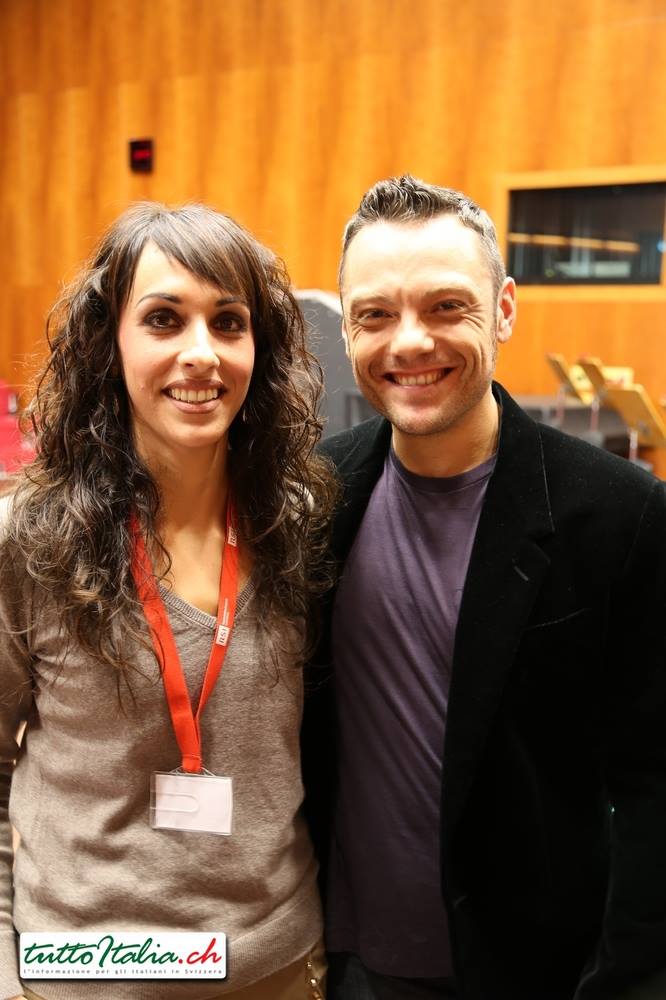
Exclusive interview with Tiziano Ferro at the Hotel Marriott in Zurich on the occasion of the Energy Stars For Free (NRJ) event, in which artists such as Laura Pausini, Anastacia, Leona Lewis, Marc Sway and many others took part.
Watch the video https://youtu.be/XAYdE9_D_UY