Pubblicità


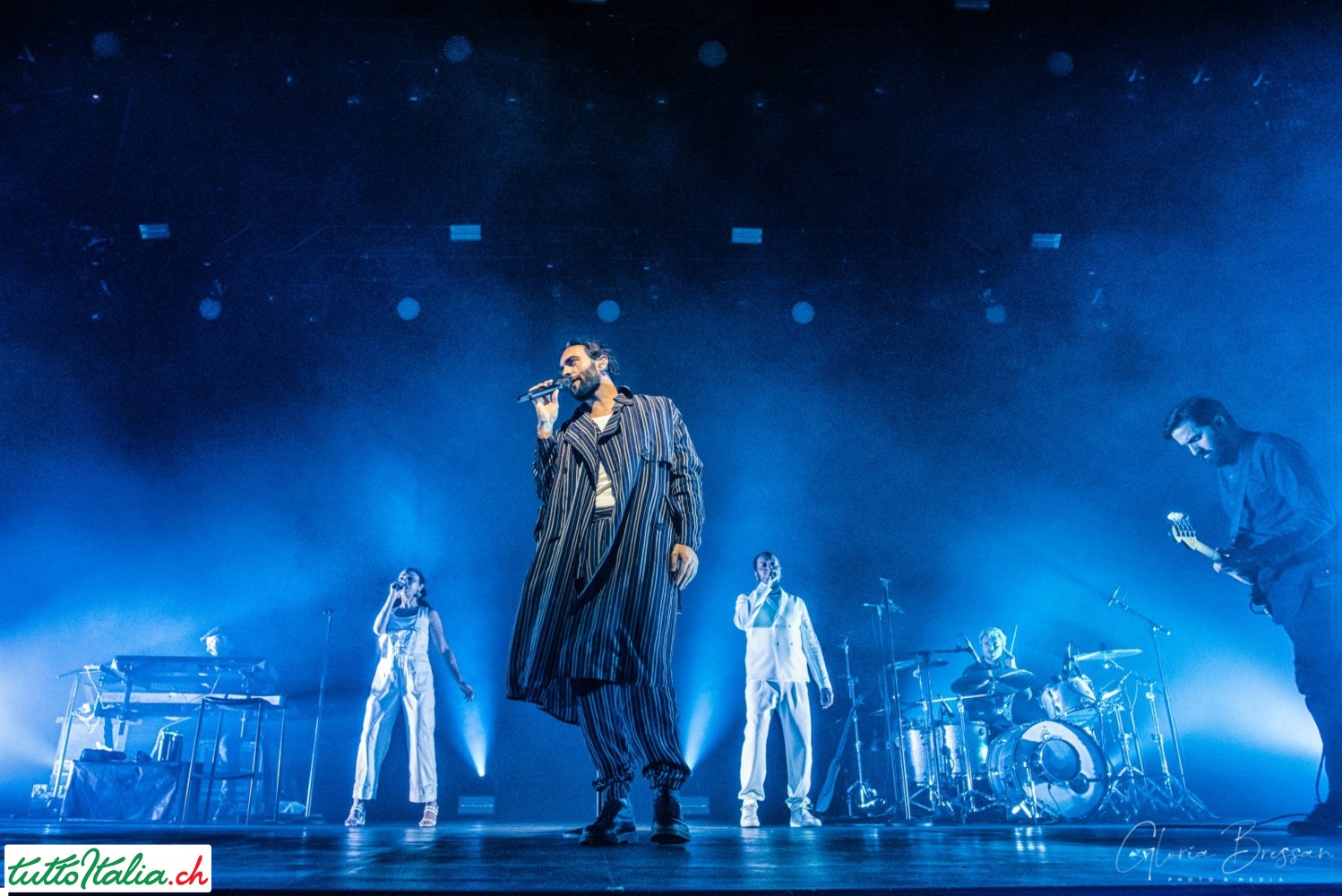


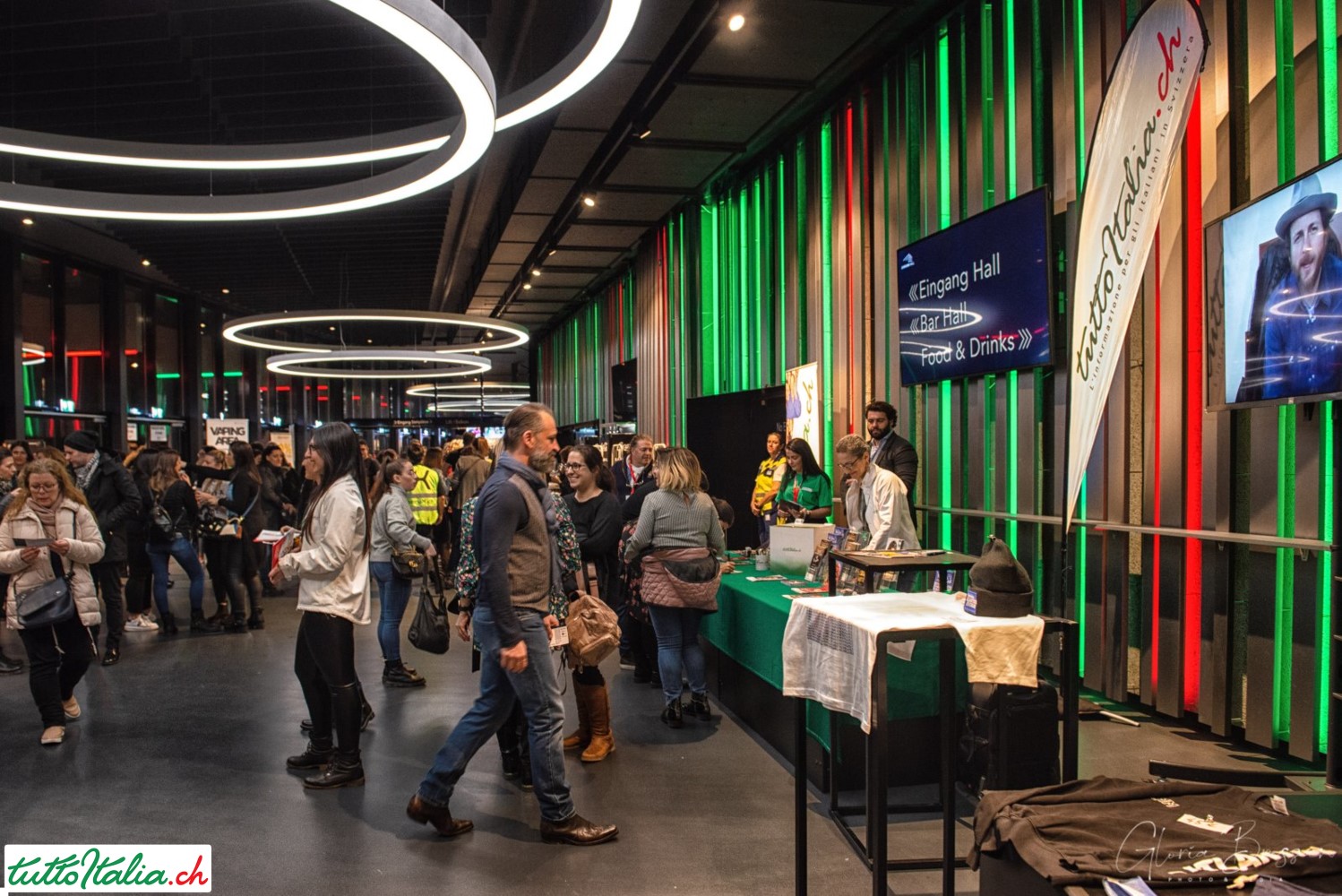
Marco Mengoni's popularity is instantly clear from the very long queue waiting for the doors to open. You can feel the excitement of those who have been there for quite a while to hear one of the most beloved Italian artists of recent years live. The audience is mixed: Mengoni's songs are appreciated by teenagers and adults alike, and in the foyer there are whole families, united by the same passion for Italian music.
And of course people talk about him, about the gentleness, the shyness and the humility that come through in every one of his songs and that the concert confirms with every gesture and every look. Mengoni is a hugely popular star yet far from any diva attitude, and even further from the “character built for the record market”. And this is precisely the key to his success.
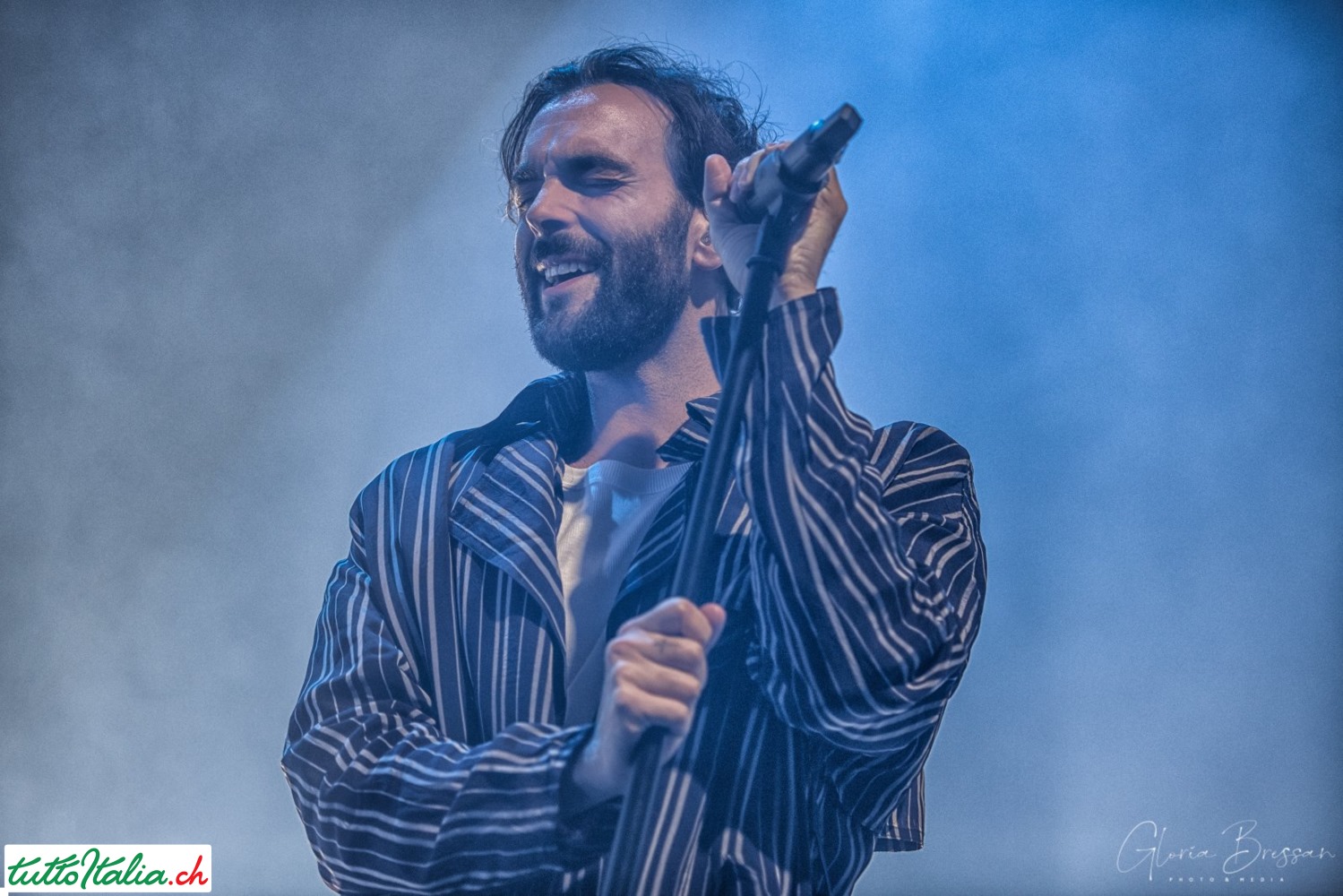
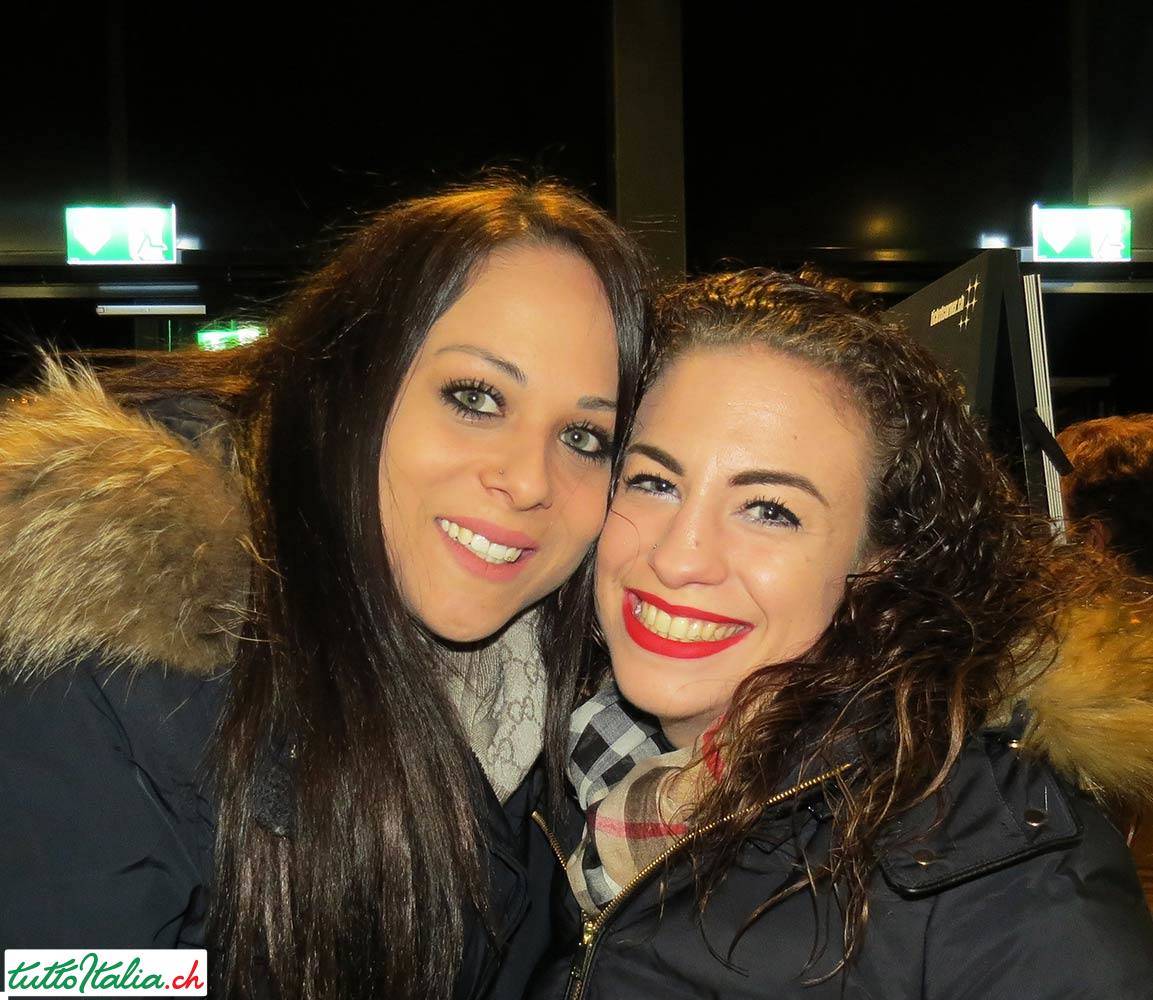
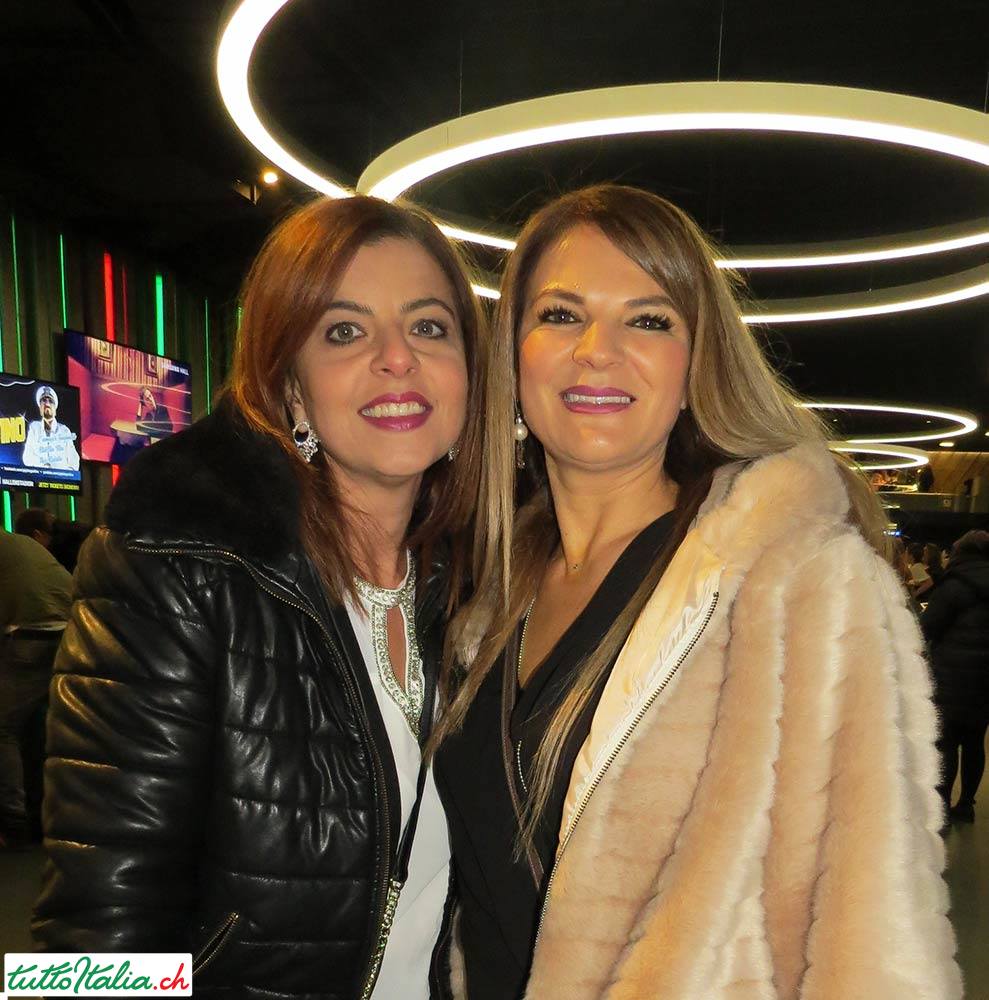
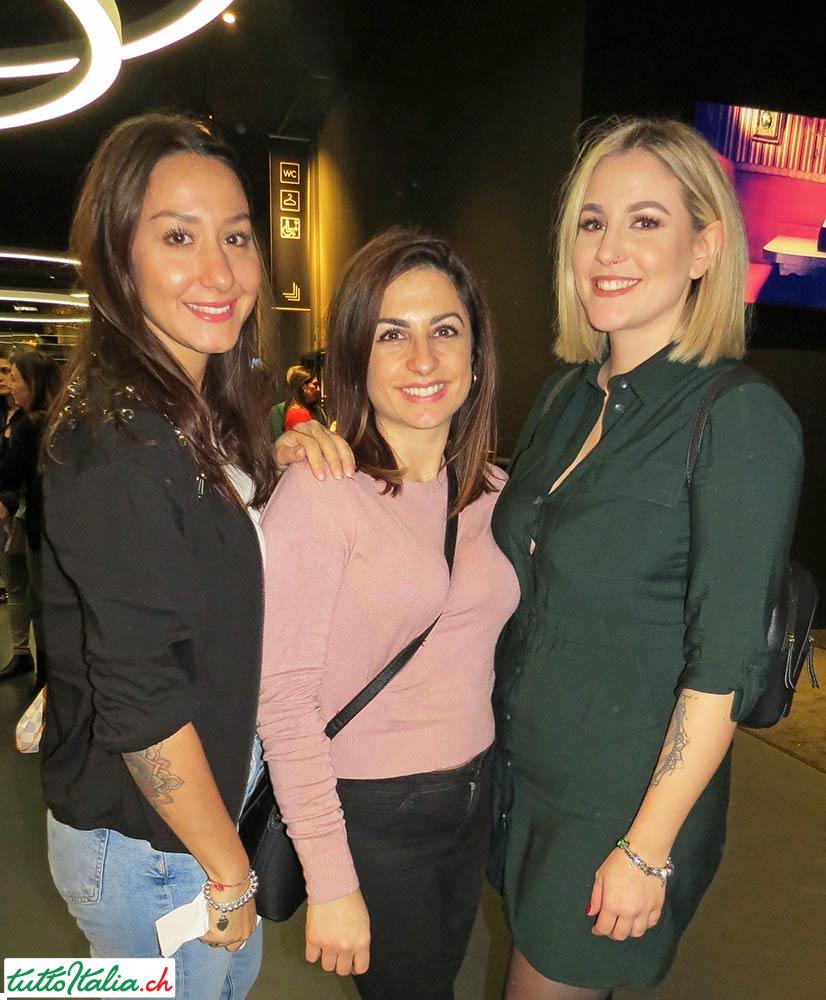
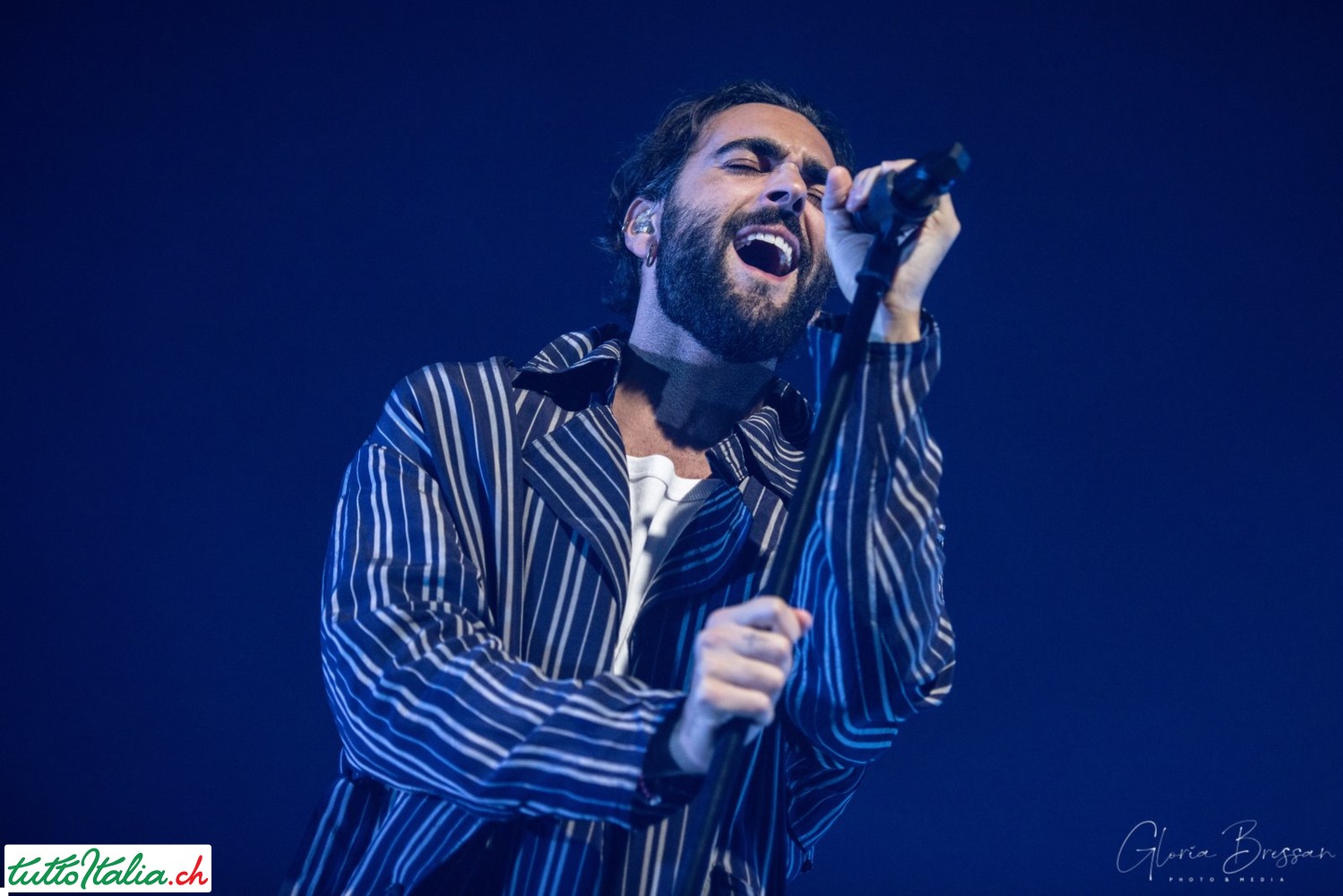
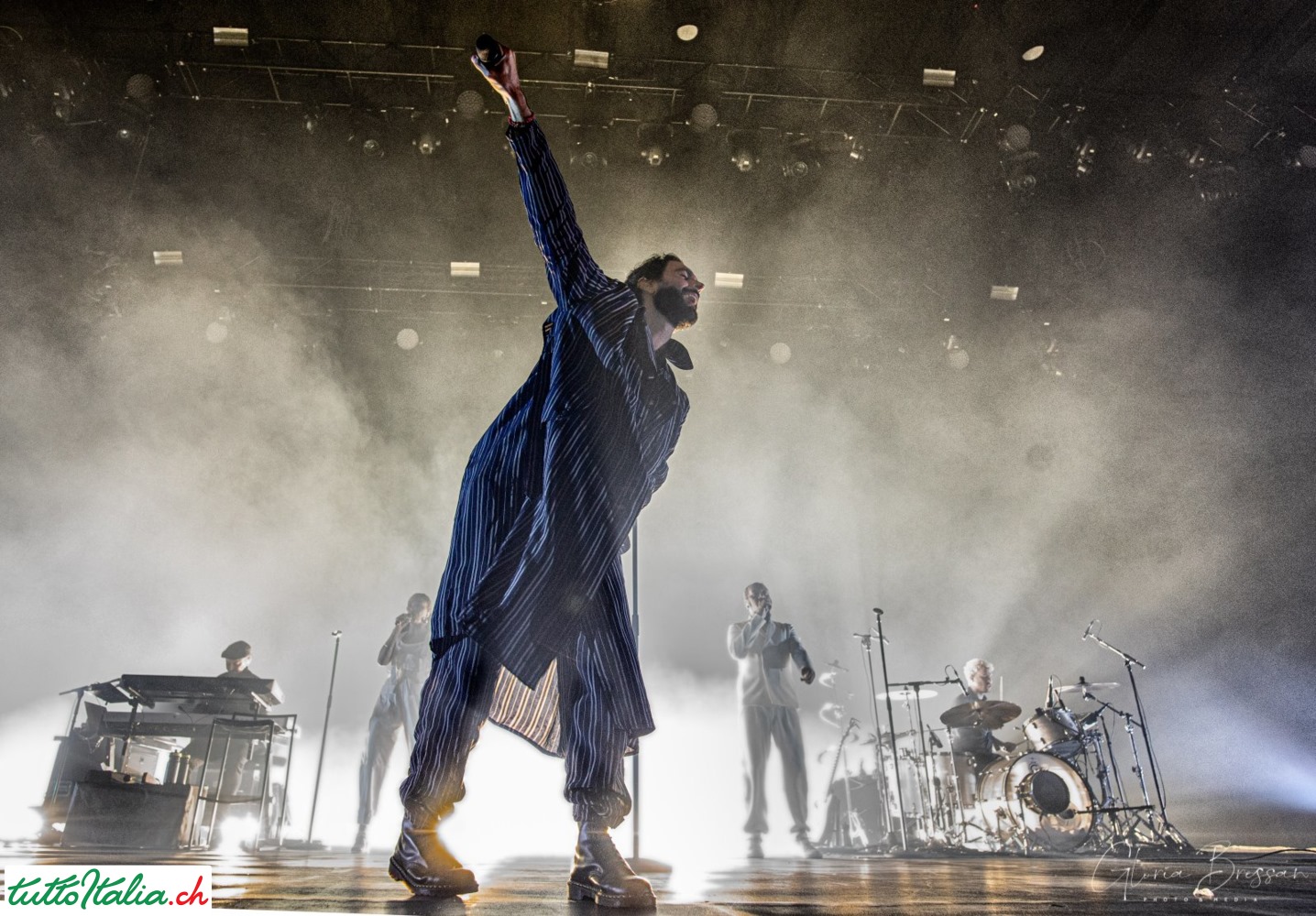
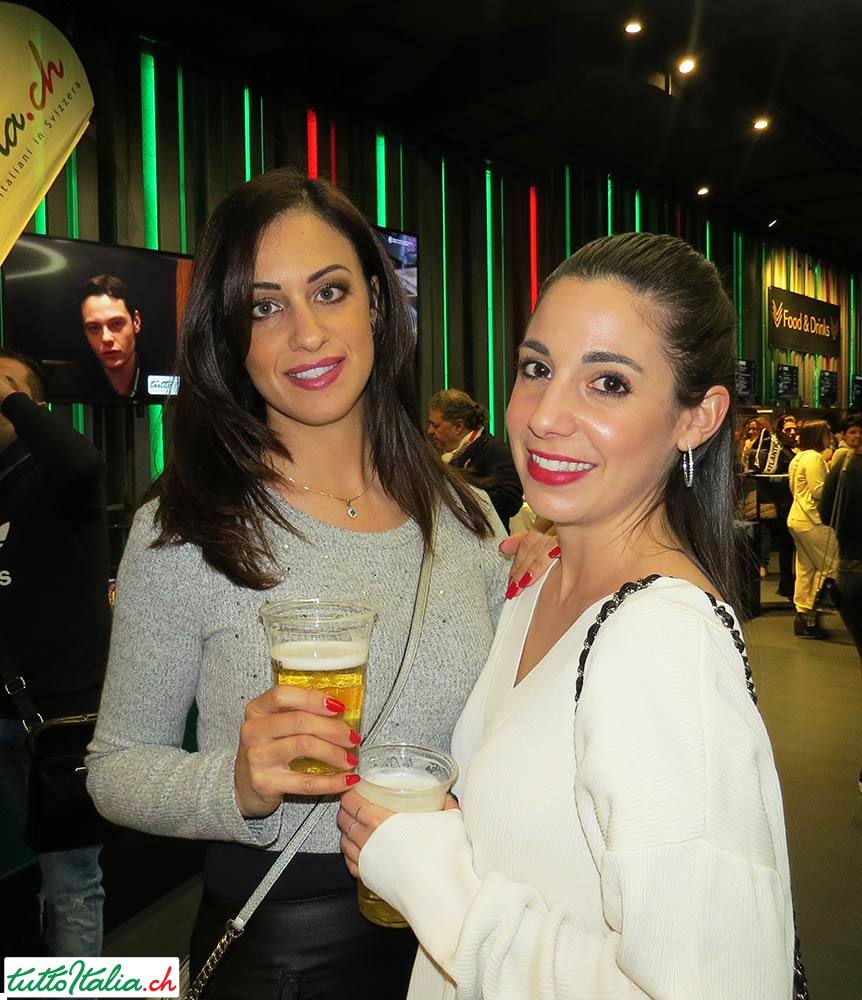
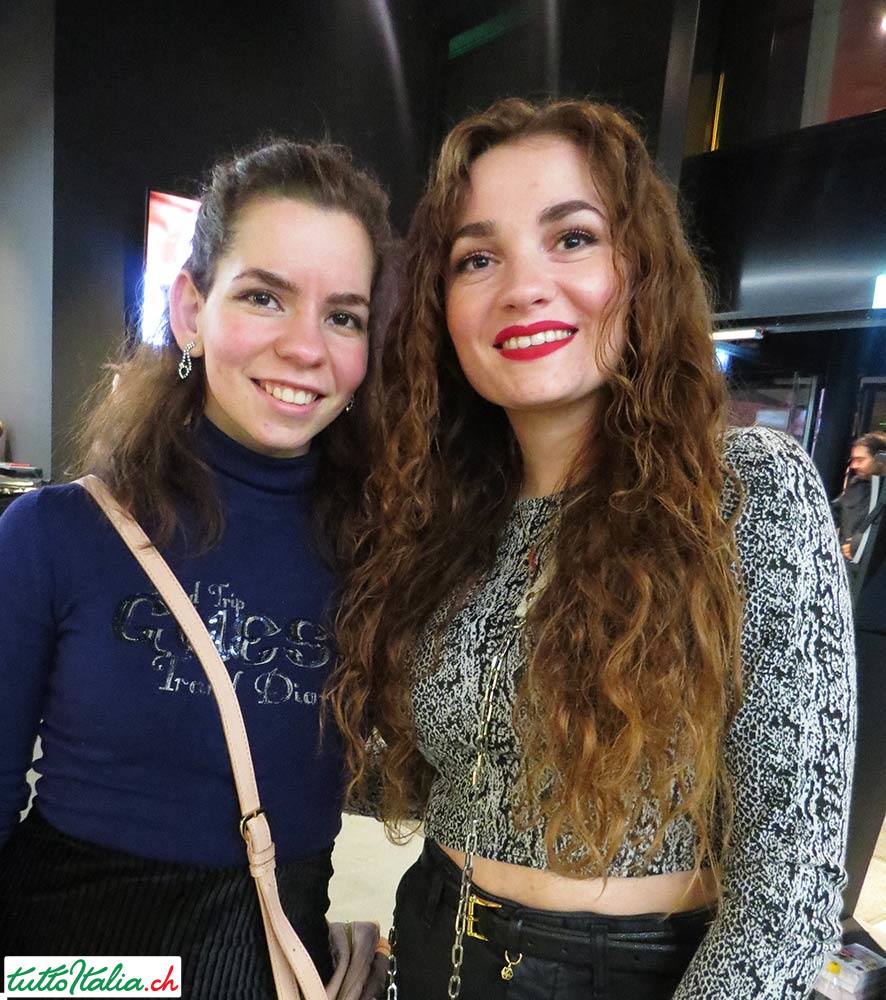
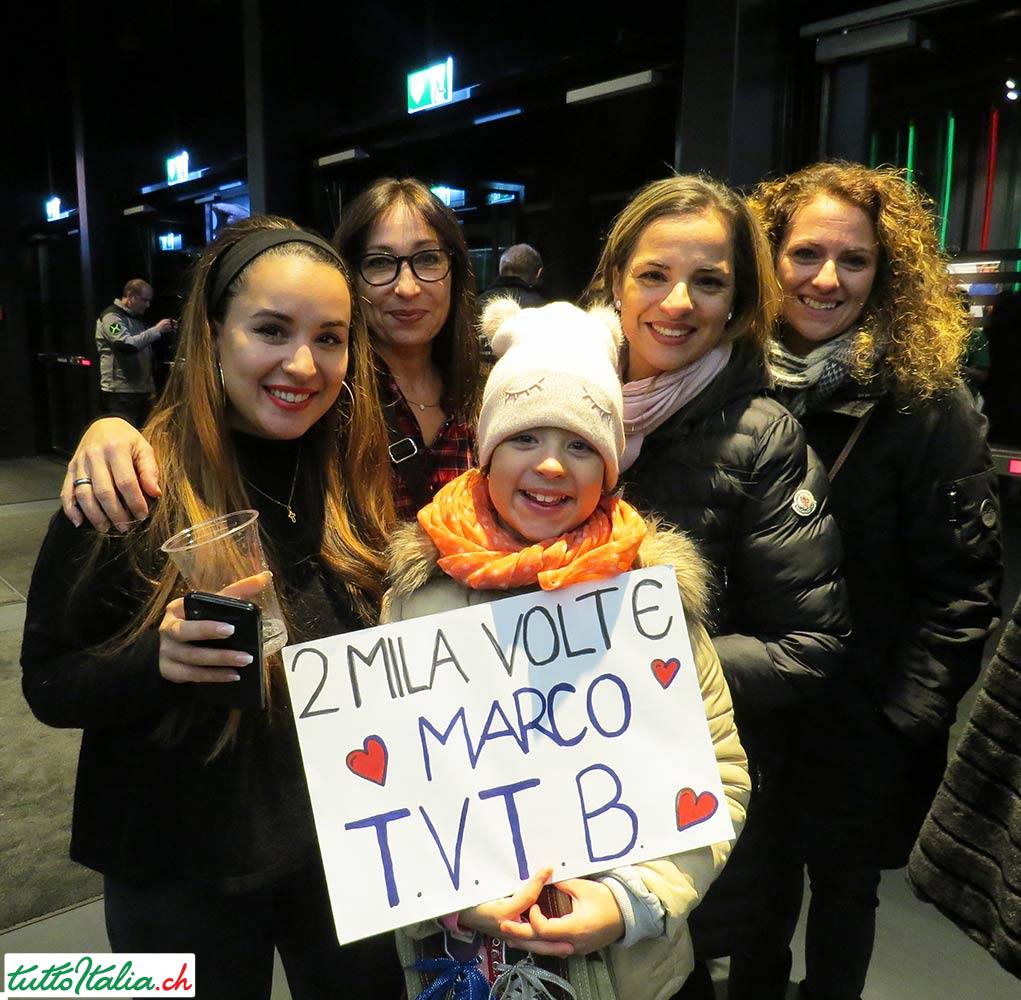
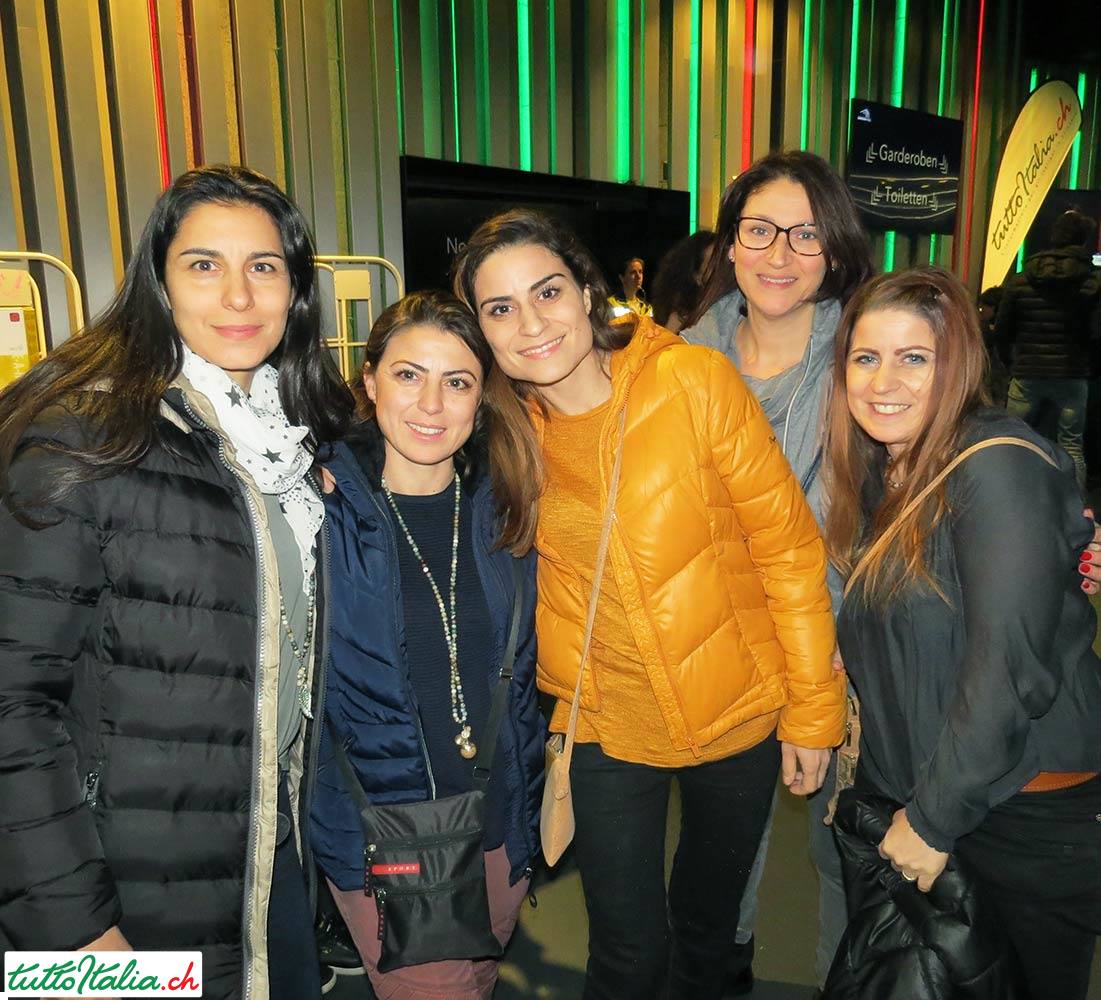
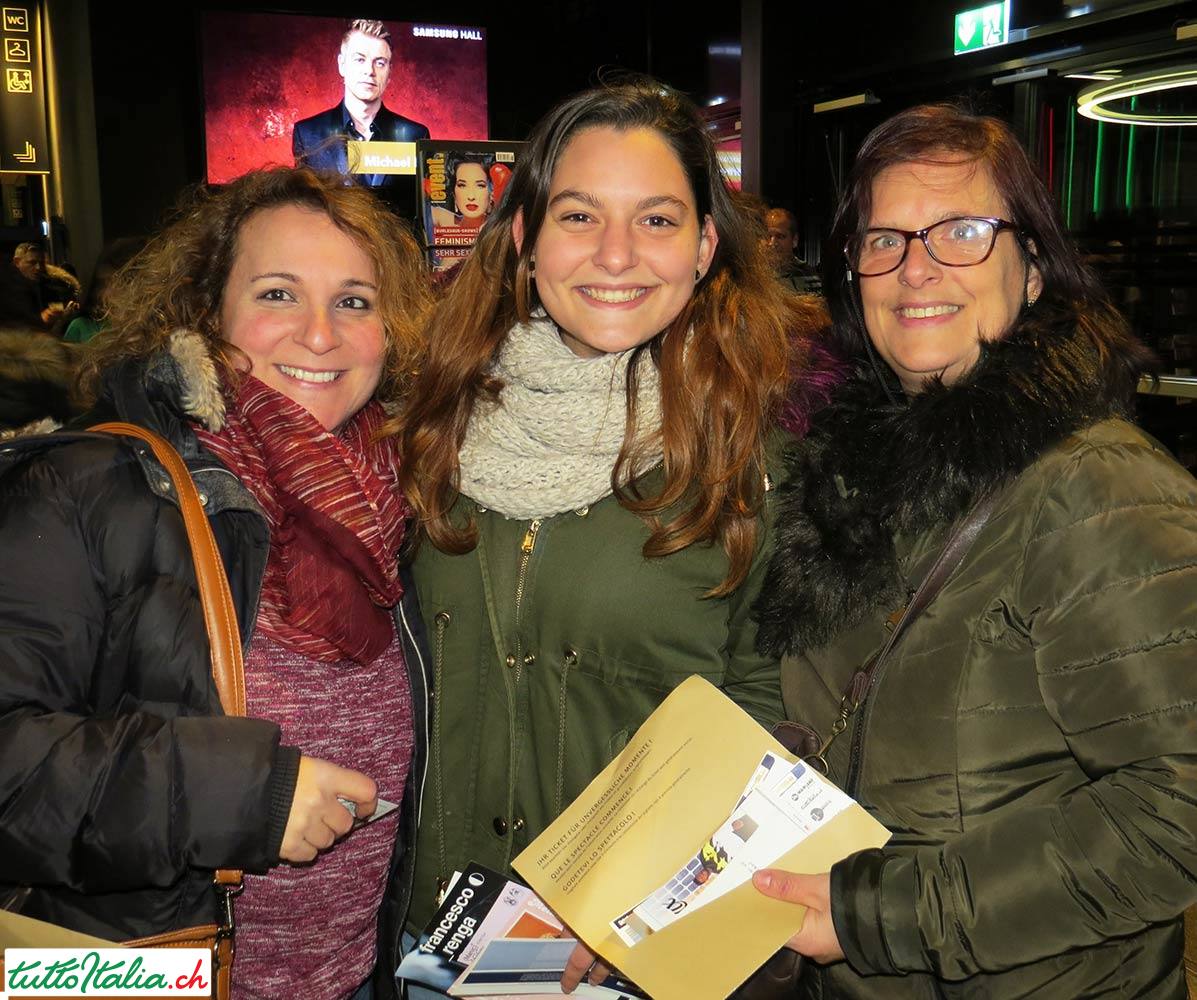
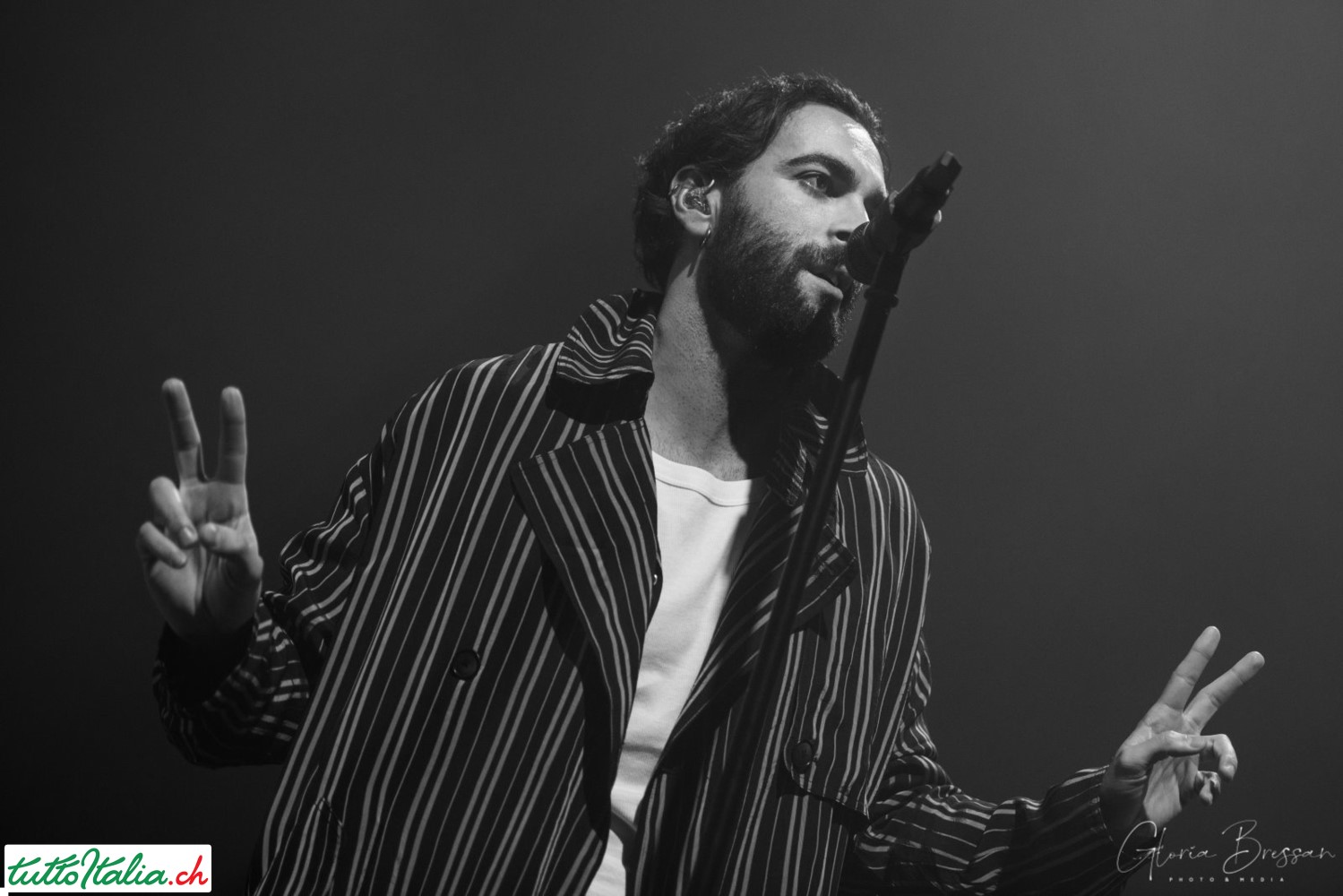
The show at the Samsung Hall in Dübendorf on 13 December 2019 is Mengoni's third Zurich date in three years: first the Volkshaus on 15 December 2016, then the Volkshaus again on 11 April 2019, in the middle of the “Atlantico” tour, up to the December return in a larger venue, a sign of a Swiss audience that grows date after date. In the photo gallery on this page you will find the shots of the evening, on stage and in the foyer, where fans also turned up with homemade signs: “2 mila volte Marco”.
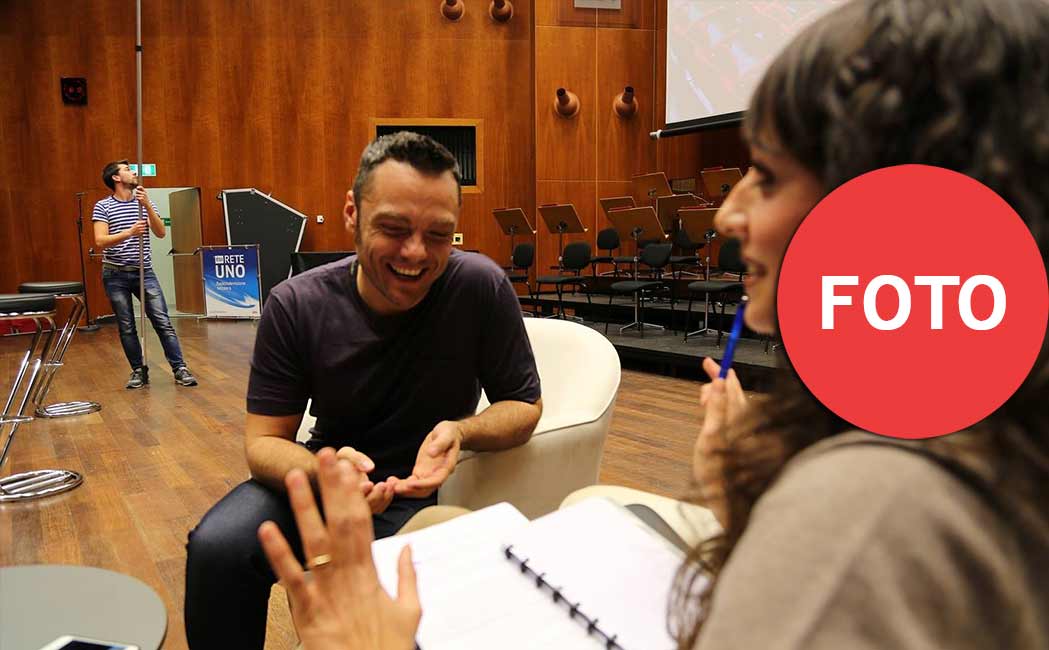
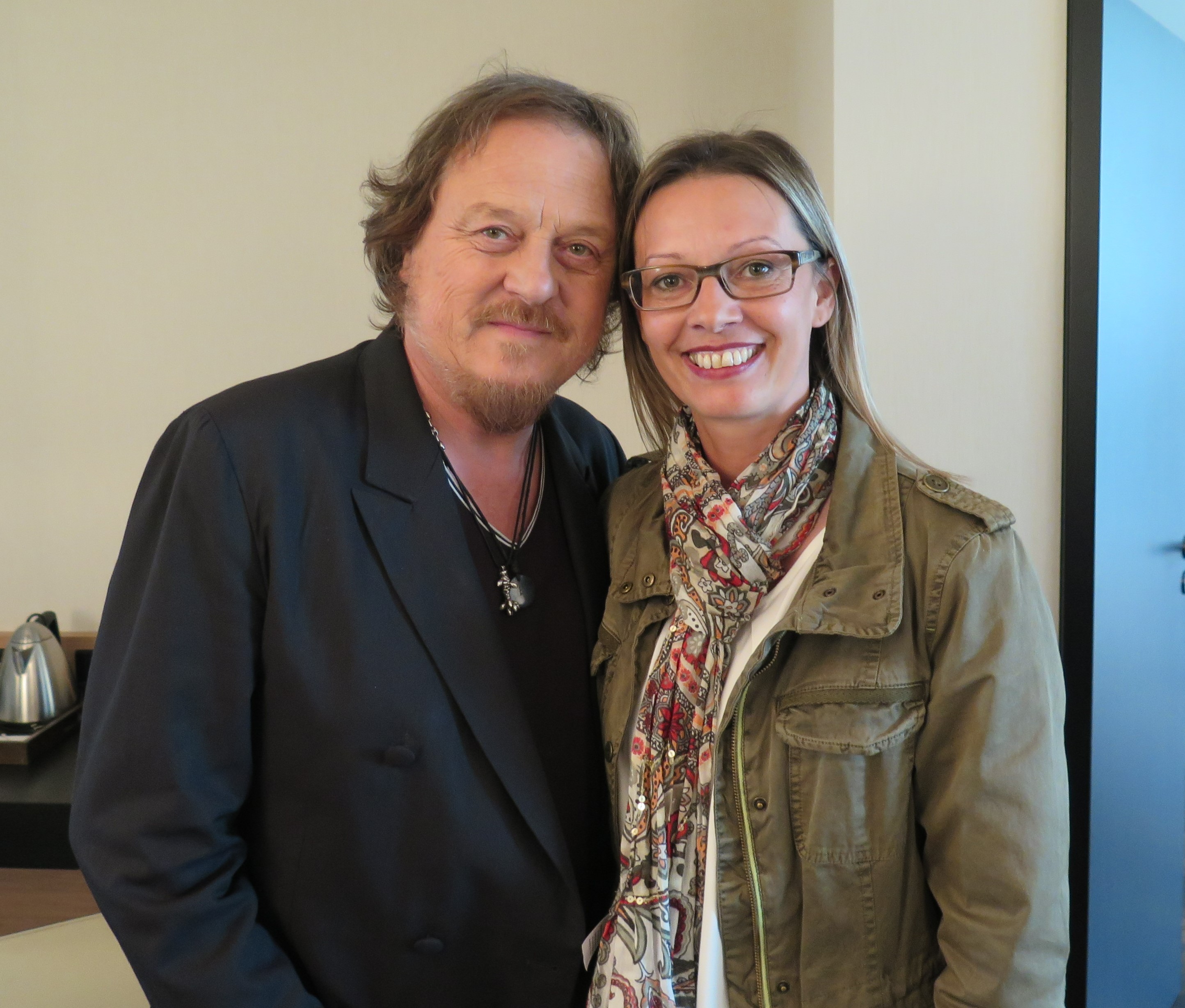
On the occasion of the April concert at the Volkshaus, we had met him for an exclusive interview. The concert was due to start three hours later, and yet in front of the entrance there were already many people waiting to secure a spot beneath the stage, while the most enterprising were looking for the band's tour bus, which had just arrived from Germany. Then he steps off, with his shy manner and those dark eyes that drive the fans wild, and he turns out to be a young man far from any star behaviour, humble as few are.
The video for “Muhammad Ali”, shot in Ronciglione, the town where he grew up, had just come out: “It was lovely to return to my roots while also dealing with a figure like Ali. But it's a song about ordinary people; I included the members of the band to underline the simplicity that characterises us, but also the fact that we can all protect ourselves, like the famous boxer, by lifting ourselves up through music.”
We ask him whether he is proud to have become famous for his voice and not for gossip: “There is a fine line between interpreting a song and becoming a public figure. We are storytellers, we always put something personal, something intimate, into a track, then everyone makes their own choices, giving priority to certain facets. I consider myself someone who makes music, not gossip. And I like being that way.”
“Atlantico”, already double platinum at the time of the interview, also tells of his relationship with time: in one video he drives an old Alfa and references the Berlin Wall. How much does he like being analogue? “I'm a bit old-fashioned, actually. I grew up in an analogue age where I received the right imprint, but I keep my balance between the past and the present, because I saw social media and the web come into being and I use them in moderation. I mentioned the Berlin Wall because we are irrational animals who need to touch and hold one another; we crave a physical contact that must not be interrupted or broken by a wall or any other barrier.”
His concerts also make room for tributes to Luigi Tenco and Giorgio Gaber, singer-songwriters whom his peers often struggle to know: “I'm curious. Discovering everything that doesn't belong to me in terms of age intrigues me and certainly enriches me. In Atlantico there are also tributes to Frida Kahlo, a figure who is part of our history. Tenco and Gaber I place in the pantheon of singers, unreachable for me. I could see myself as a ferryman who brings the old hits to the attention of new listeners, like a conducting copper wire. An honour, for sure!”
A lot of time has passed since his beginnings on X-Factor, and the musical formats are showing their age: “I try to follow the changes in music, and music really is changing. Everything is much freer and, for young people, it's easier to gain visibility. Everything is fast, both achieving success and losing it. In an age of change, television too has and will have audience problems across the whole schedule, not just for talent shows. In the future we will reach the necessary innovations in that field as well.”
He's not one for duets, and yet the featuring with Tom Walker on “Hola (I Say)” left its mark: “Vocal timbres are not easily adaptable and compatible, but with Tom there was a rapport both personal and vocal, and we produced a good track by letting the melodies coming from different languages adapt freely. At first it didn't seem to me a strong track, and in Tom's contribution I found that added value which gave it character and completed the song. We even became friends. It's an important gift for me.”
The official interview comes to an end, but the relaxed atmosphere lets us keep chatting about the tour, the fans and TV series, as we ourselves answer his questions about what life in Zurich is like. Then it's time for him to get back to work: there are fans to make sing who have been waiting for hours in front of the doors. Eight months later, at the Samsung Hall, the story repeats itself on a grand scale: Switzerland is by now a second home. Welcome back to Zurich, Marco.