Pubblicità





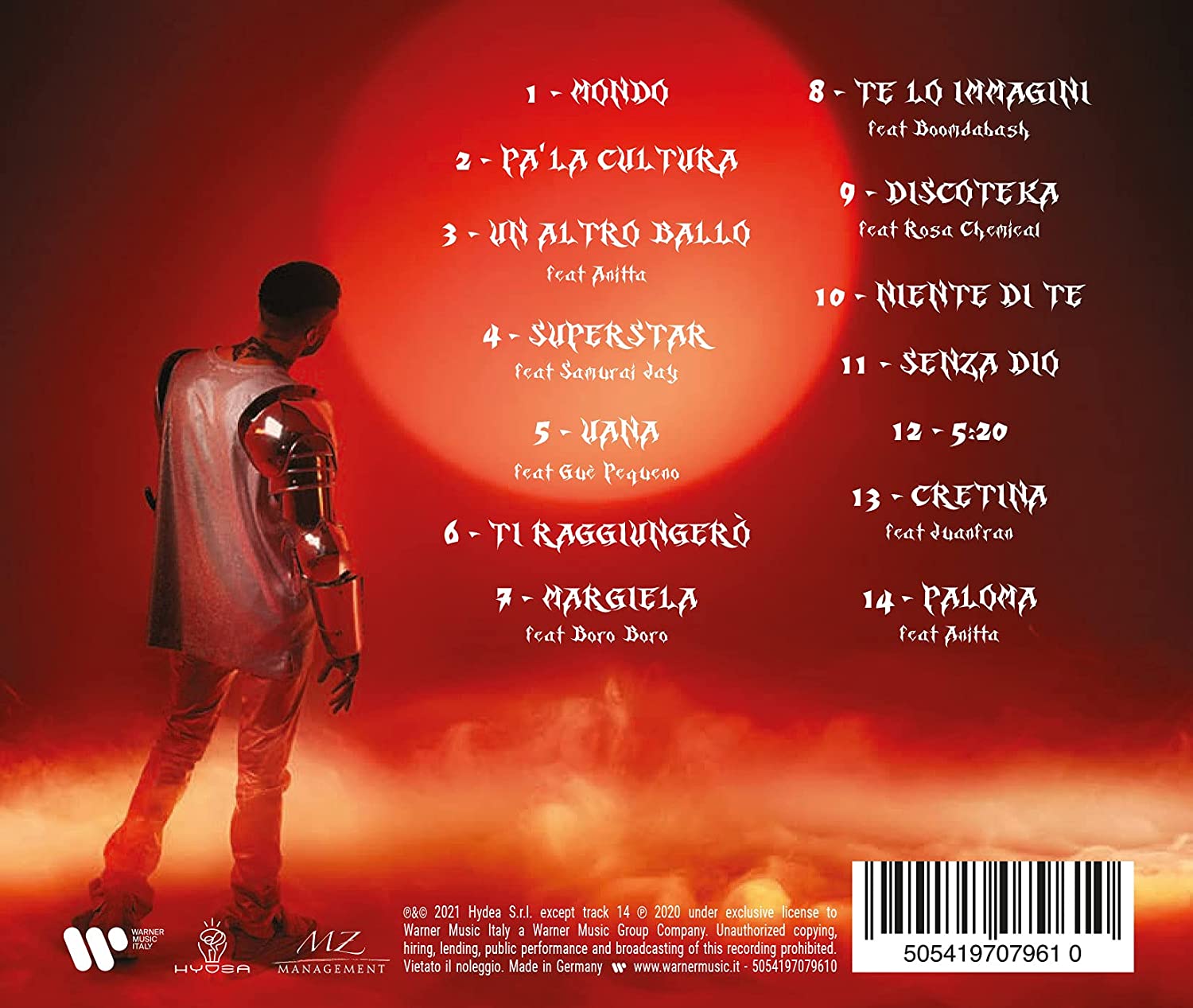
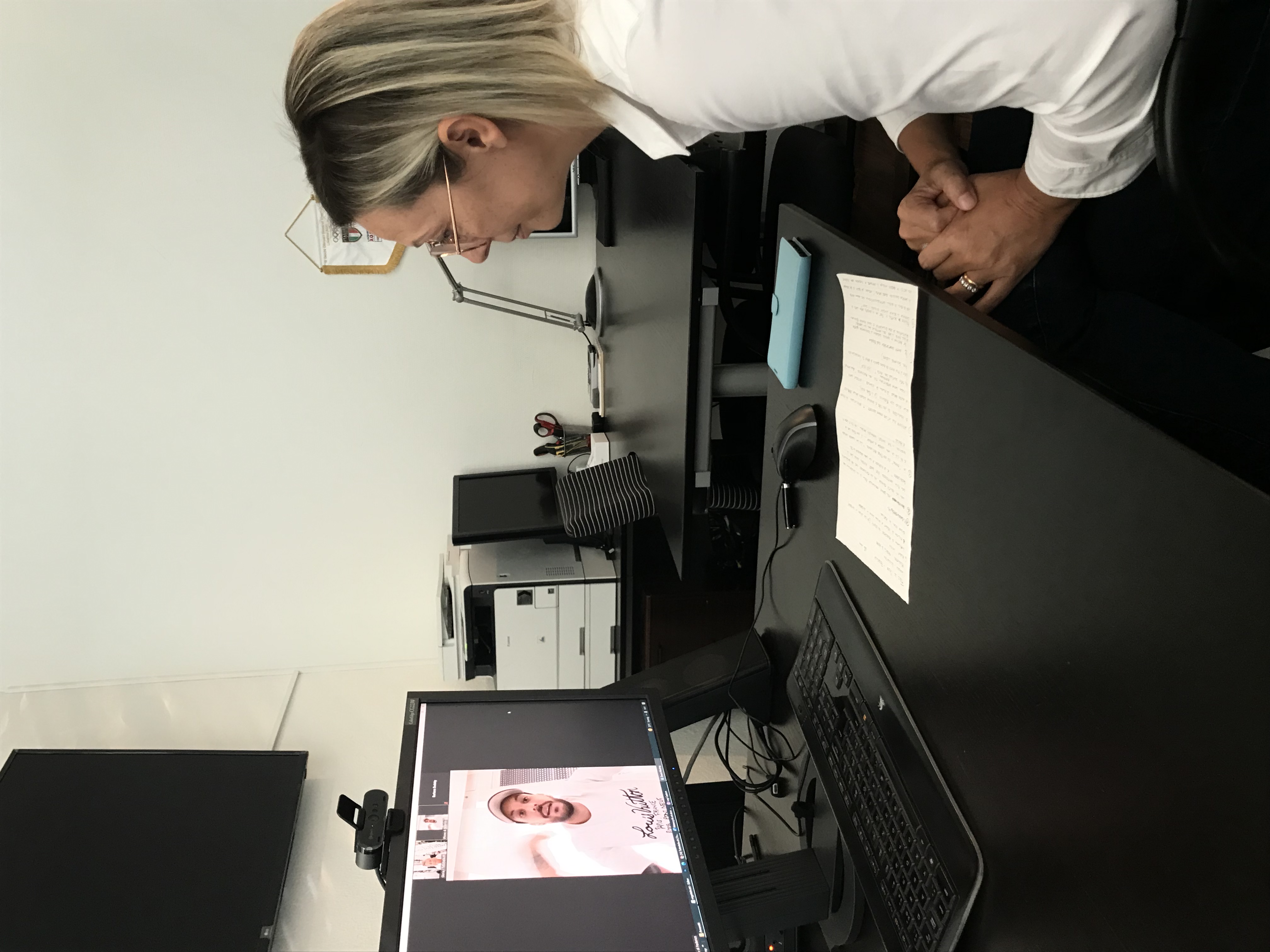
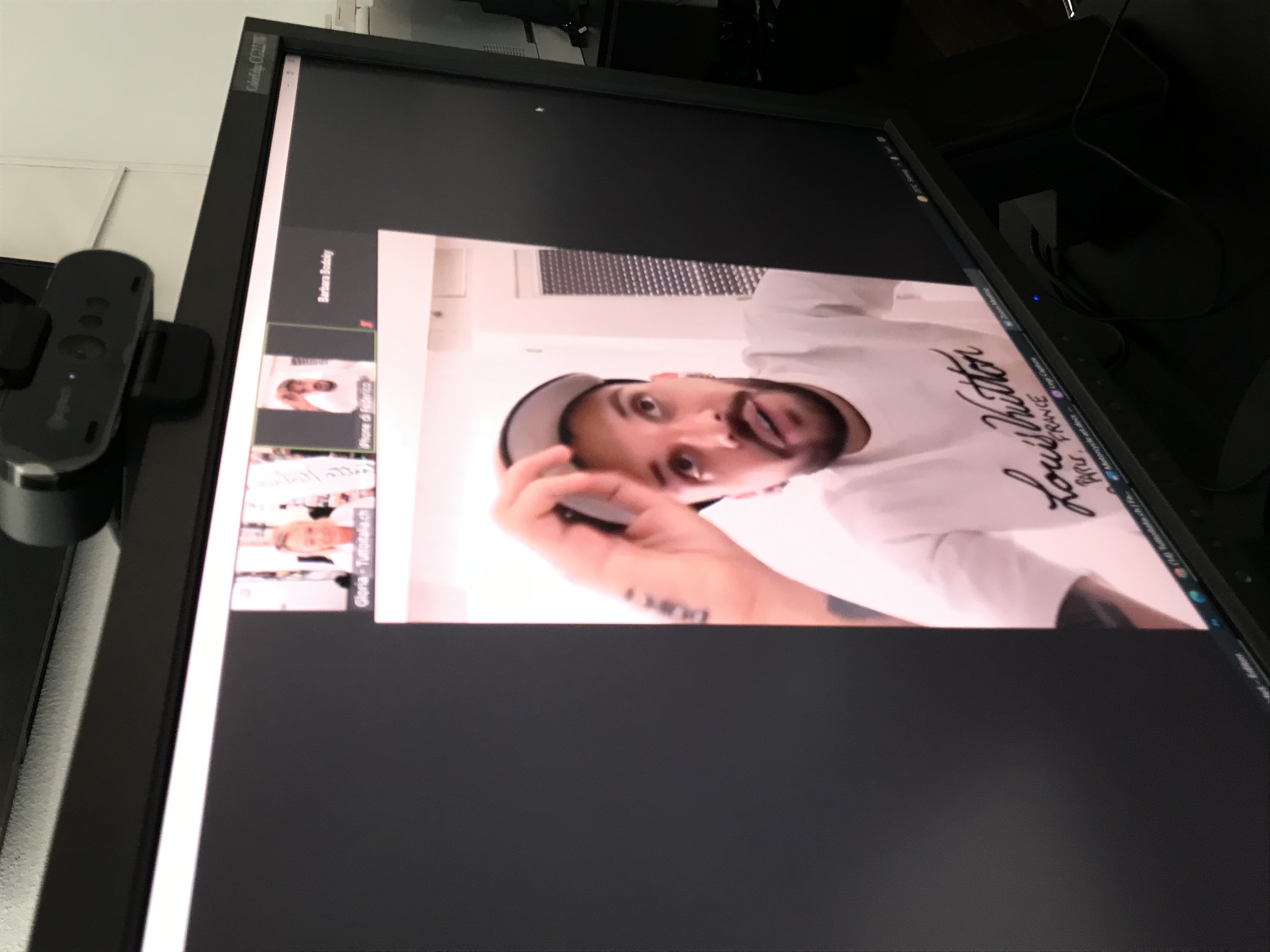
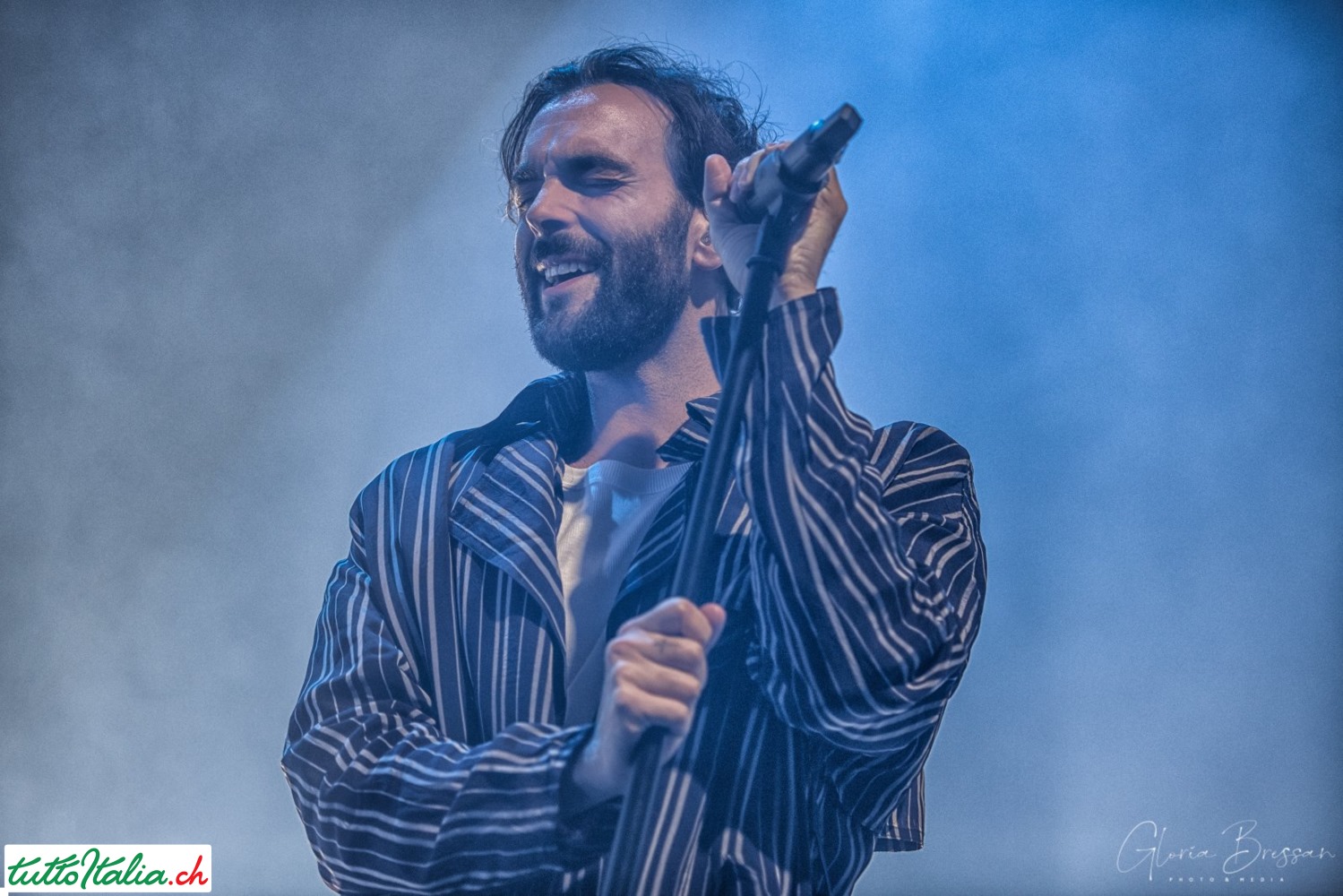
Before the interview that singer Fred De Palma granted us, his record label Warner Music sent us some figures to highlight the success achieved with his latest hits such as “Un altro ballo” and “Ti raggiungerò”: 6 albums, 4 million listeners on Spotify (of which 67,000 in Switzerland alone), 2 million streams for the album in Switzerland, confirmed by the gold and platinum record awards in Italy. So the first question to Federico Palana, known as Fred De Palma, arises spontaneously.
Federico, listening to your track Margiela, you put your success on display in front of the people who had little faith in you and your music, specifying that you never had a leash on you. Faced with these numbers, can we say you've reached your goal? “In reality, you never reach the goal, especially in numerical terms. There are many other things that give me, and will always give me, the drive to surpass myself. In Margiela I was talking about a phase before this one, when the lack of knowledge of the reggaeton genre in Italy created several obstacles for me. It's still a genre that, by definition, is tied to light, summery songs, but ‘my battle’ is to establish it, to give it the right value in the global music scene, 365 days a year.”

So will the reggaeton genre remain your only faith? “I would like my style, my brand, to be tied to this kind of sound, but I don't know what awaits me in the future, and it's not certain that I won't let myself be influenced by other genres. An artist can explore new music, even compared to the period in which they present their work, but the important thing is to do it to the very highest standard.”
Speaking of high levels, I'd like to ask you the reason behind a line I heard in the track “Una volta ancora”, in which you sing: “C'è chi guarda e impara, poi chi non guarda impera”. What drove you to write it? “It's a track that did crazy numbers (7 platinum records) in which I had experimented with something completely different from what was being offered musically at that time. The line is the confirmation that sometimes, by not conforming to the genre of the moment, not copying but taking a risk, you can win all the same. By reigning, in short!”

Let's go back to your latest hits. The views for the videos of “Un altro ballo” with Anitta exceed 23 million, with comments (especially in Portuguese) that can be summed up in a single phrase: “Que chimica!” “Let's say that Anitta's audience is enormous, and it was a great featuring because we've been friends for a long time, and from there the perfect performance between two artists comes about. The same with Ana Mena. Obviously, those who listen perceive that there's a real bond. It's different from doing things in a calculated way; it's not in my nature to conceive a feat just to please a slice of the audience.”
Linking to this point, will you satisfy our curiosity about how these feats (that is, these collaborations) come about? “As far as I'm concerned, they always come from my own ideas. I've been following Anitta for several years and I'd always dreamed of collaborating with her. When I met her, a friendship and an important musical bond were born, and consequently it was a natural path to involve in the project those who work with us at all levels. There's nothing contrived.”
Let's stay on the subject, but renaming feats as what were called “duets” in the last century. What's your opinion on the intergenerational collaborations (featuring Orietta Berti or Ornella Vanoni) that were so successful last summer? Don't the objectively iconic voices of these artists diminish the others in the tracks? “Certain artists like Fedez or Achille Lauro don't need recognisability because they're already at a high level, but I believe that sometimes the ideas for collaborations are made precisely to optimise the song, and in this case an iconic voice perfected the track itself to the maximum. The same in the case of the feat with Vanoni. The musical ego of the person who wrote the song was set aside solely for the good of the song, and that's right and commendable. I like the tracks. Honestly, I prefer to involve perhaps little-known artists to try to create a completely innovative project, but there's no doubt that these intergenerational collaborations work; I understand the path behind them and they're pleasant. It works.”

Federico, among the requests our fans made when Tuttoitalia announced today's interview, there were some who asked when they'll be able to see you again in Switzerland and in particular in Basel. Or with Anitta in Zurich? “Before the pandemic I performed a huge amount, I was always on the road, both in Switzerland and in Germany. Now I hope, like everyone, that this nightmare ends and that we can go back to having direct contact with the audience, which we artists and all our collaborators desperately need. If we manage to organise it with Anitta, I'd love to perform in Zurich, it would be fantastic. Obviously, I hope to come to Basel too as soon as possible, to let you hear a good sound to the rhythm of reggaeton!”