Pubblicità


.jpeg)


Marco, you are always affable and kind. The audience senses your naturalness: in a world where so many artists are constructed and not always genuine, kindness and being yourself pay off I could never be different from myself, I have never been able to pretend; that is why I have always hated people who do not tell the truth or who shirk when they are at fault. Falseness is certainly the thing I hate most. Being true is the basis of everything, with the strengths and the flaws that everyone has.
The public in any case sees you as the nice guy… That is an interesting thought, because I am like many others, I am no better, but I must say that my parents did a good job with me and I can consider myself satisfied to be the man I am today, even if I still have many behaviours to improve, the ones I do not like in myself. I am an overthinker, I think a lot and I often analyse myself, and this, together with the therapy I am doing with an extraordinary psychologist, always helps me try to work on my limits.

And people love you for it. I do not know, I am just myself.
Exactly, they love you because you are different, not everyone manages to be that way and to admit their own “weaknesses” so disarmingly. My gestures are spontaneous, if you ask me why I cried at Sanremo I do not know: it just came out that way…
Then let me remind you what was said about you, not by the general public, but by Maestro Beppe Vessicchio: “Mengoni is someone who can already keep the ball up at three years old, he is an innate talent because he has an incredible familiarity with vocal expression. There is a fine overlap between what he sings and how he sings it and, referring to Due vite, that is exactly him”. Do you recognise yourself in that? Well, what Beppone says is beyond dispute! He is THE maestro! Yes, in certain things I recognise myself, and then he emphasised them in a lofty way. He drew a comparison with Maradona, who was juggling the ball at three years old, and that judgement is an honour for me, but I know that I am self-taught and that I have worked enormously on my singing ability. I have never worked with him, I have met him only a few times.
In this case his assessment is worth even more… Of course it counts a great deal because he has an extraordinary open-mindedness: he stepped out of orchestration to devote himself to the young people of “Amici” and so he has all-round experience in assessing music and the talent that beginners may have.

Speaking of sensitivity: let us talk about “Due vite”. How wonderful is it to help people find themselves in your words, which put into language emotions that are hard to express? Are you something of a therapist for those who cannot say what they carry inside? You began this question with “How wonderful is it”, and I answer you “How difficult it is”. First of all, I am lucky not to be alone. There are people who listen to my torments and my untidy notes and who help me to put pieces that make sense down on paper. But songs are instinctive and you do not immediately think about how the audience might perceive them.
In your case! But there are many slightly “crowd-pleasing” songs that are built for a certain slice of the audience, with themes that may be banal but that can appeal to as many people as possible. I mean summer hits. No, I do not think about the impact one of my lyrics might have on the radio. I say what I think and what I feel without following directives or trends. If the audience is moved by one of my songs because they feel it is “theirs” and recognise themselves in it, I think that is the victory for someone who does my job. However many awards and platinum records there may be, that is my goal. In fact I thought “Due vite” was very complicated because I sing about a relationship that is not between two people but with yourself, stepping out of and back into the world of emotion and of everyday life. I thought it was complicated to explain and it was a piece of work on myself that I did not know would reach the listener. It is a song of 4:40 minutes, long, it has two hooks and it is harmonically unconventional. And in the end it did get through.

Ok, now the question with which more or less everyone will pester you: can we do it at Eurovision? We will certainly get to Liverpool, but I assure you that I do not think about it and I feel no pressure from that point of view. Awards or charts are not important to me. Obviously I am pleased, they are satisfying, but I do not have performance anxiety. What matters is being there, taking part and enjoying it. Besides, I have already won awards, I have already had my satisfactions, so coming first or last is not a dilemma. Ten years ago I was a different person. Now my priorities are different: precisely, to inspire whoever listens to my music rather than looking at view counts or charts. Numbers are less and less a part of my life.
Do you know that this statement is psychologically the sign of an awareness that perhaps only long-standing artists can afford? And yet you are only 34…well done. Well, in the end I got there on my journey, but I still have a long way to go.

Let us talk about your new album, the last of the “Materia” trilogy: “Prisma”. The name intrigues me, tell me about what you wanted to put into this project. The title came afterwards, because I already knew what to put on the album, and then this word arrived, the name of an object that for me is magical: apparently it has a white light, but from within it turns that light into a great many colours, so it is the symbol of how relative everything is compared with what you see on the surface. I believe that human beings are a bit like a prism.
What colours are there in this album? Every colour possible and imaginable. A large part of the record was written at a time when I was angry about things that were happening, around me and in society in general, and so it is somewhat argumentative. It touches on attitudes and states of mind that belong to others but also to me: including being frustrated at not managing to get out of my own limits or my own way of being. It is a search for balance.

Let us lighten the mood: is it true that you took a DNA test? Yes, because when I was in America people often asked me whether I was Iranian or Iraqi. And not even showing my passport convinced them. It made me angry! So I got curious and took the test: I am only 35 per cent Italian and, indeed, 16 per cent is Iranian. Finding it out on a scientific basis is rather more appealing.
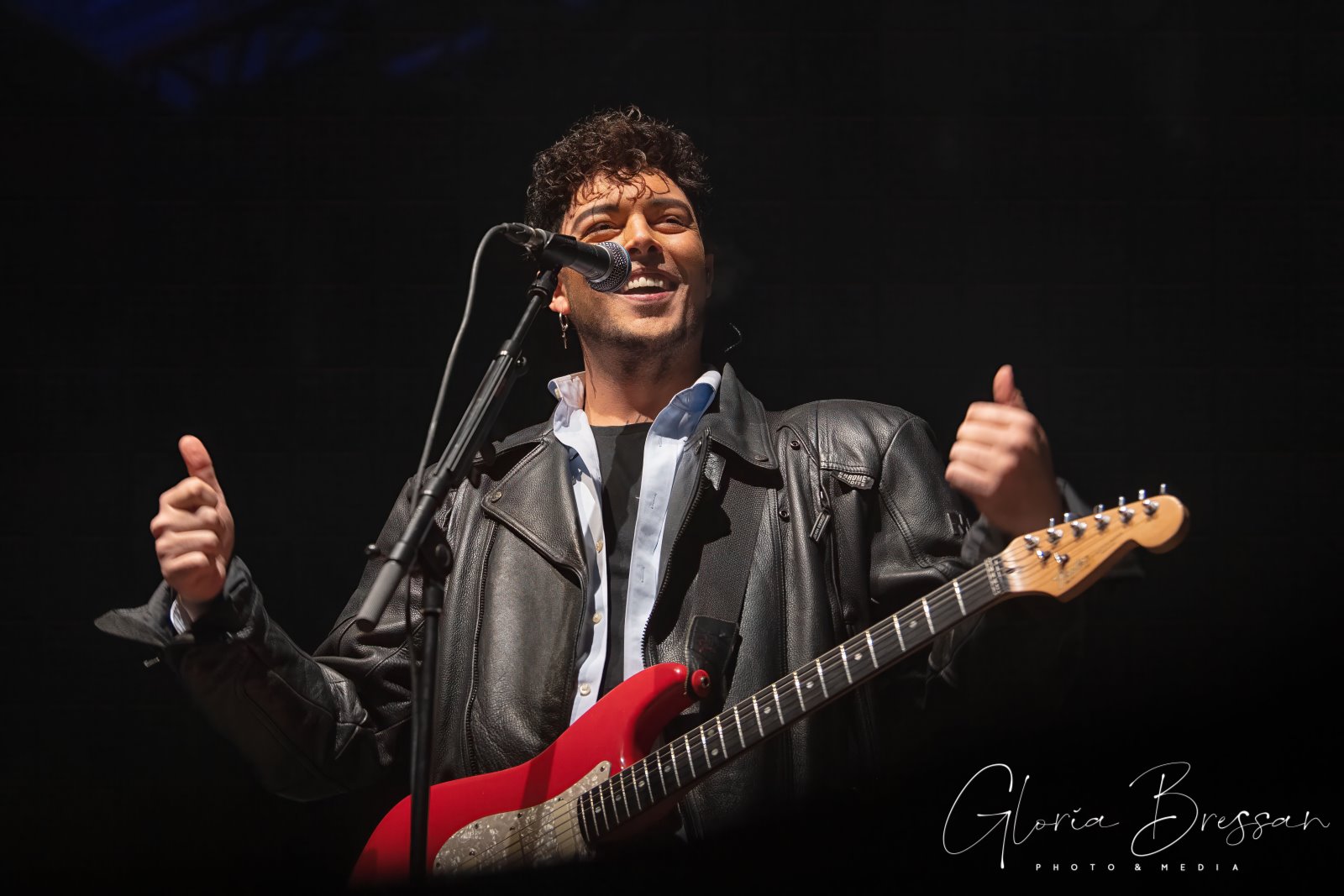
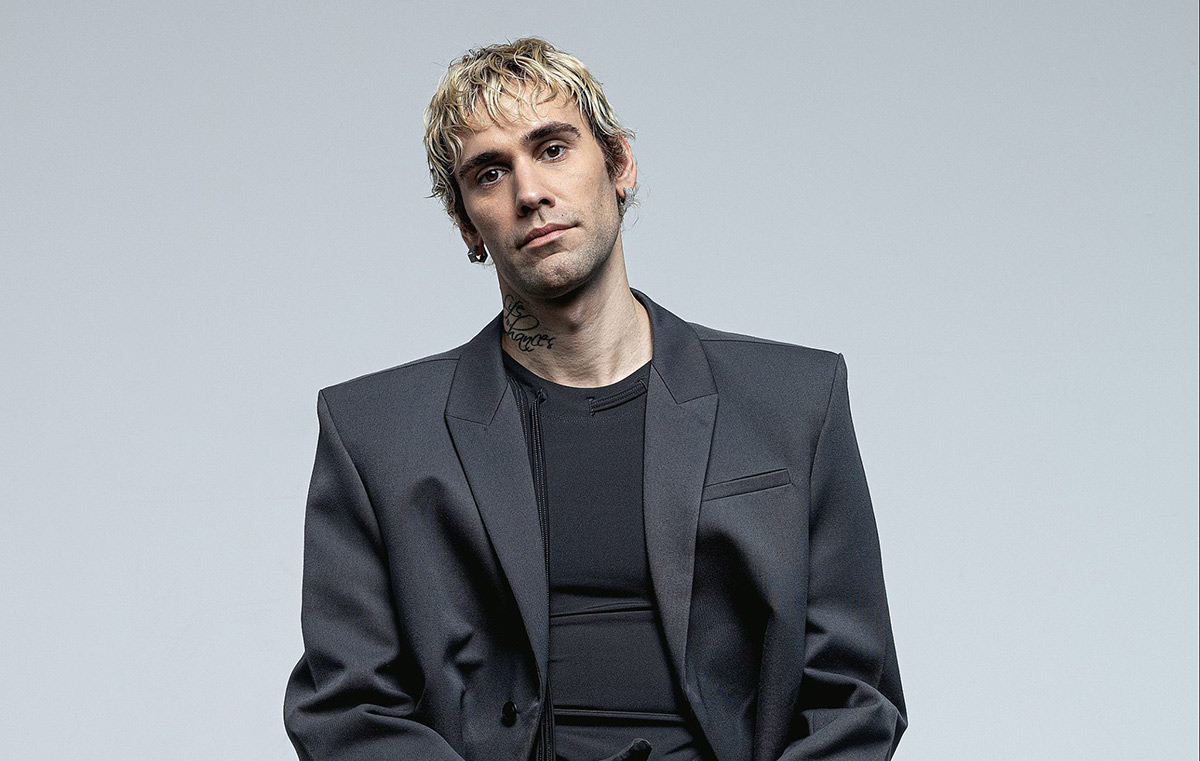
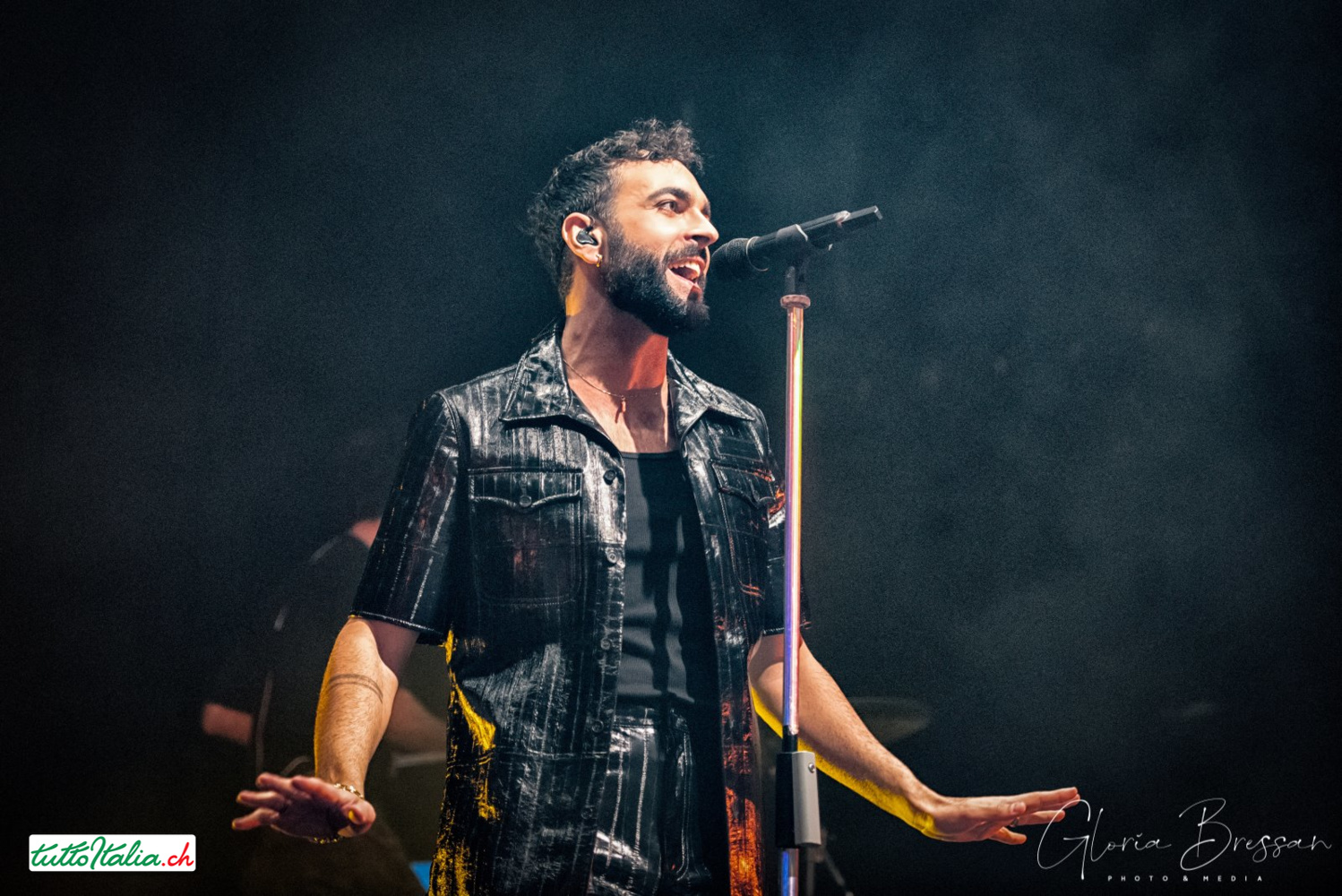
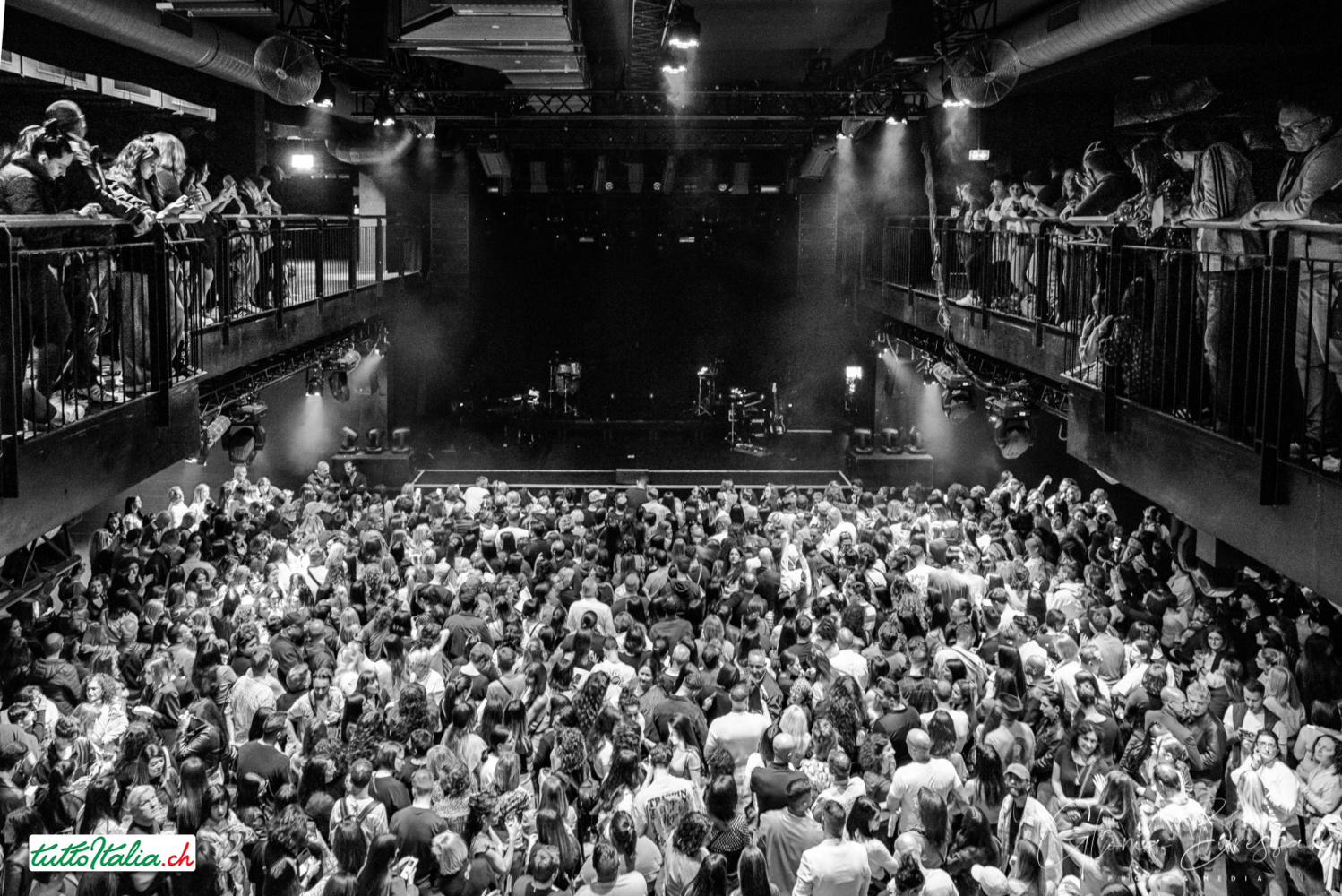
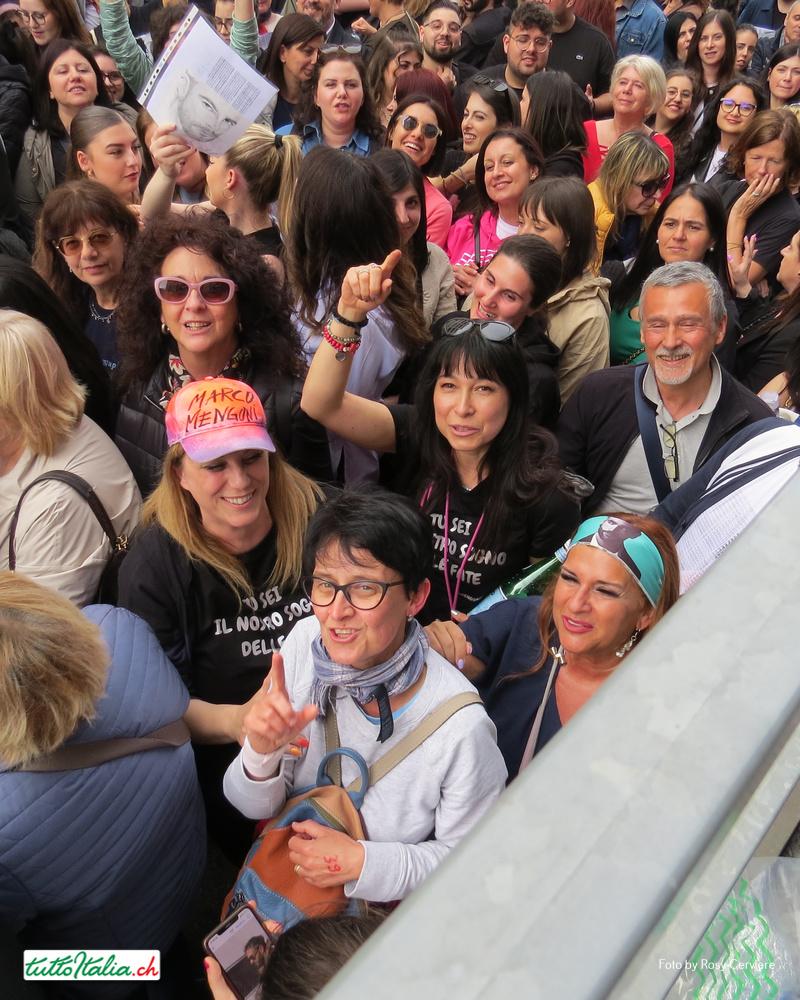
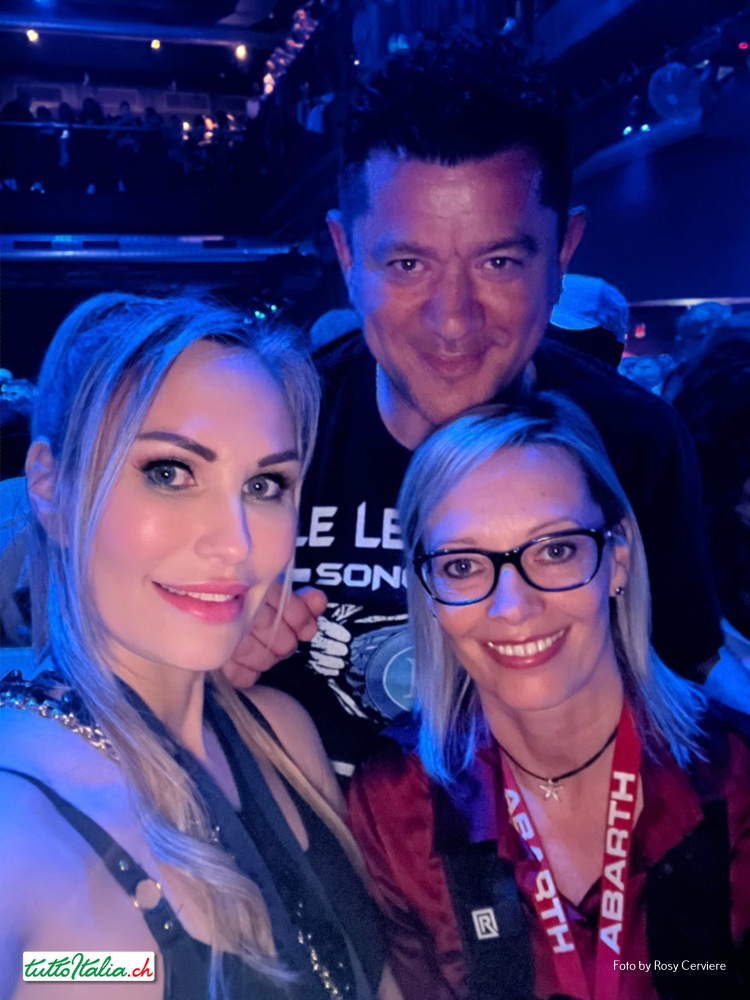
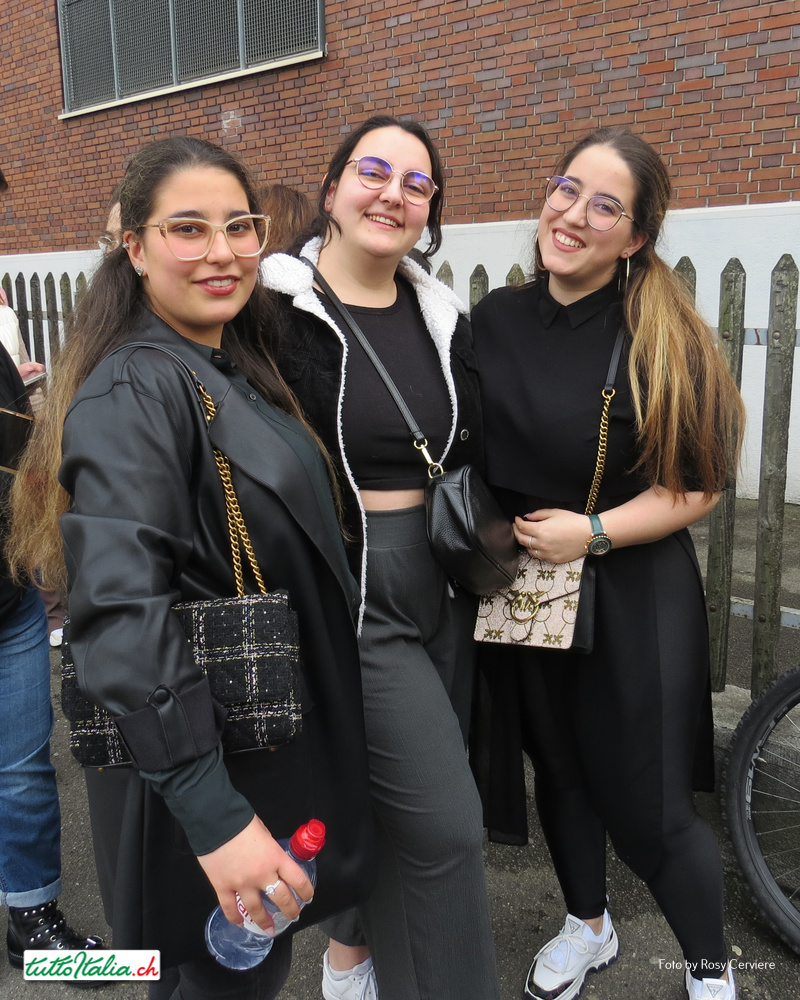
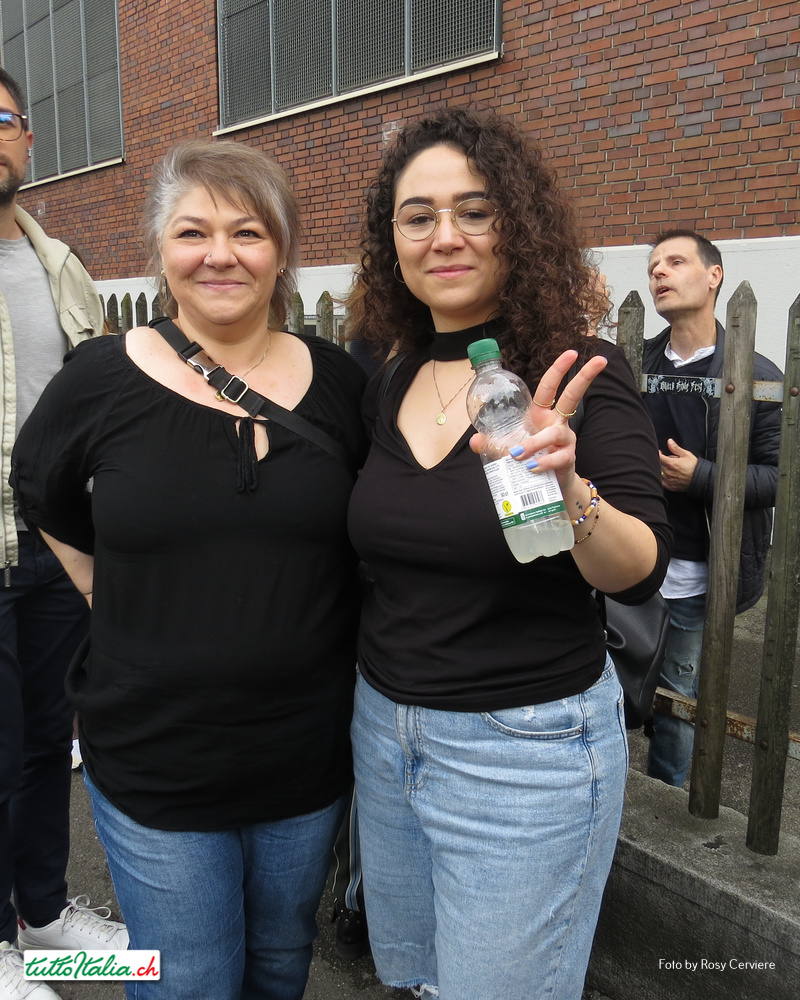
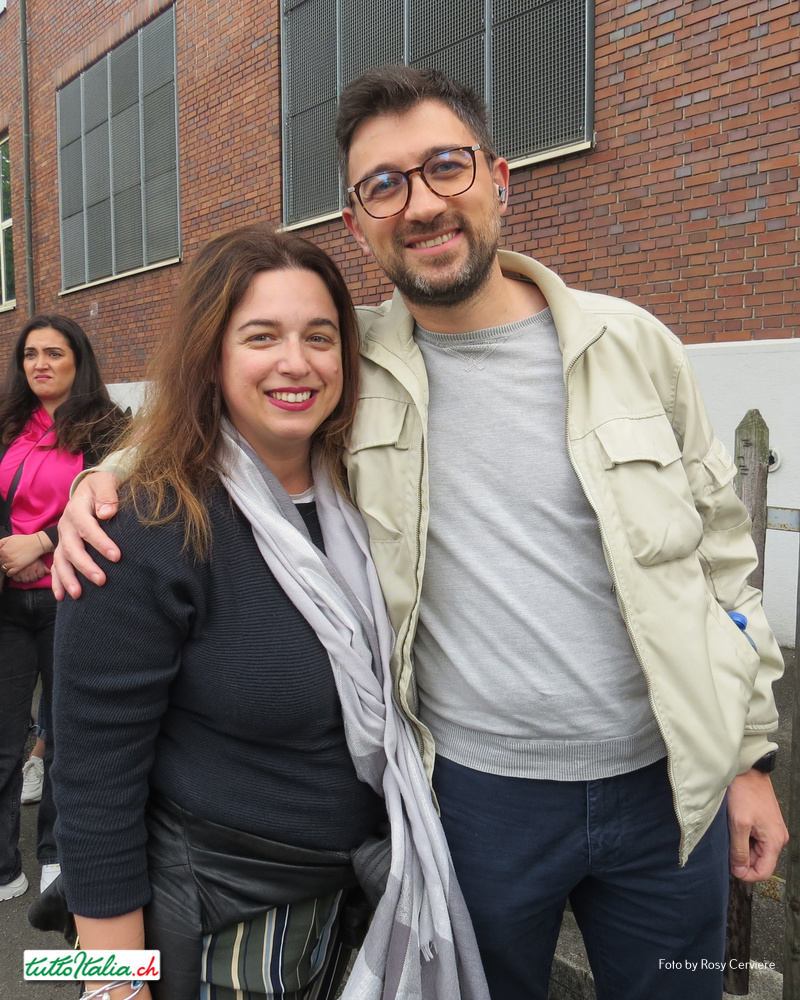
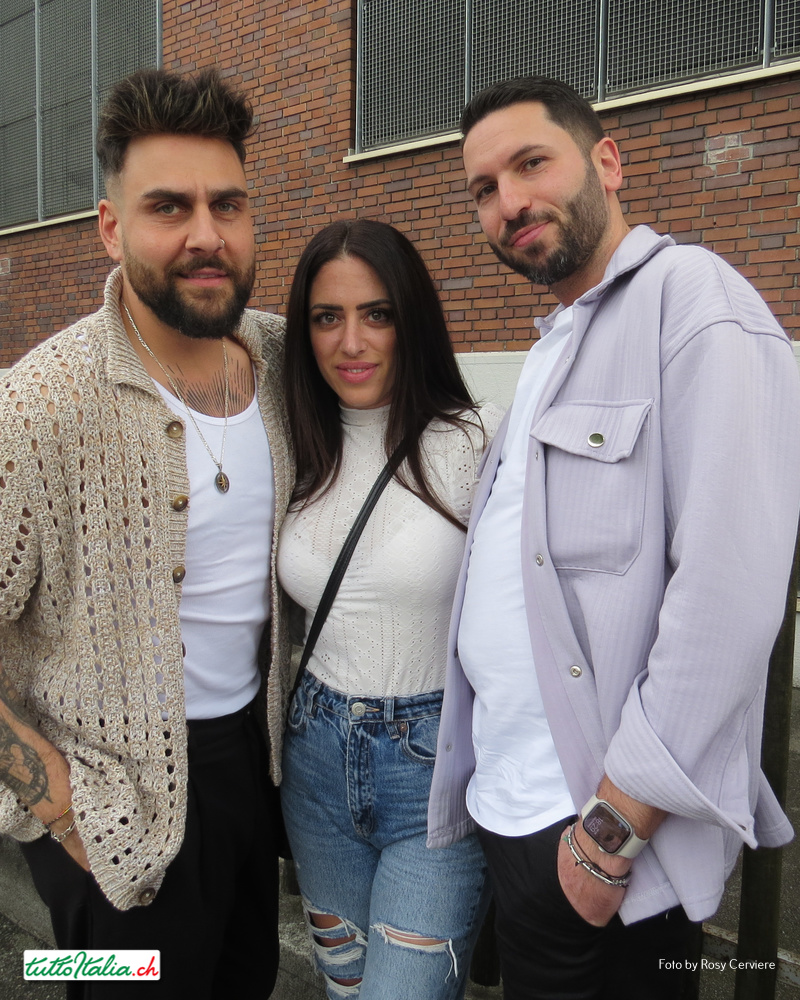
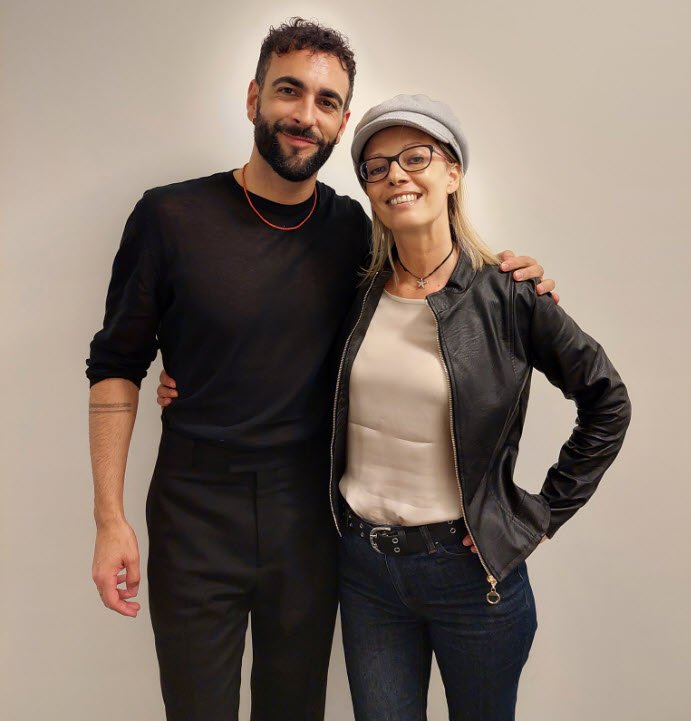
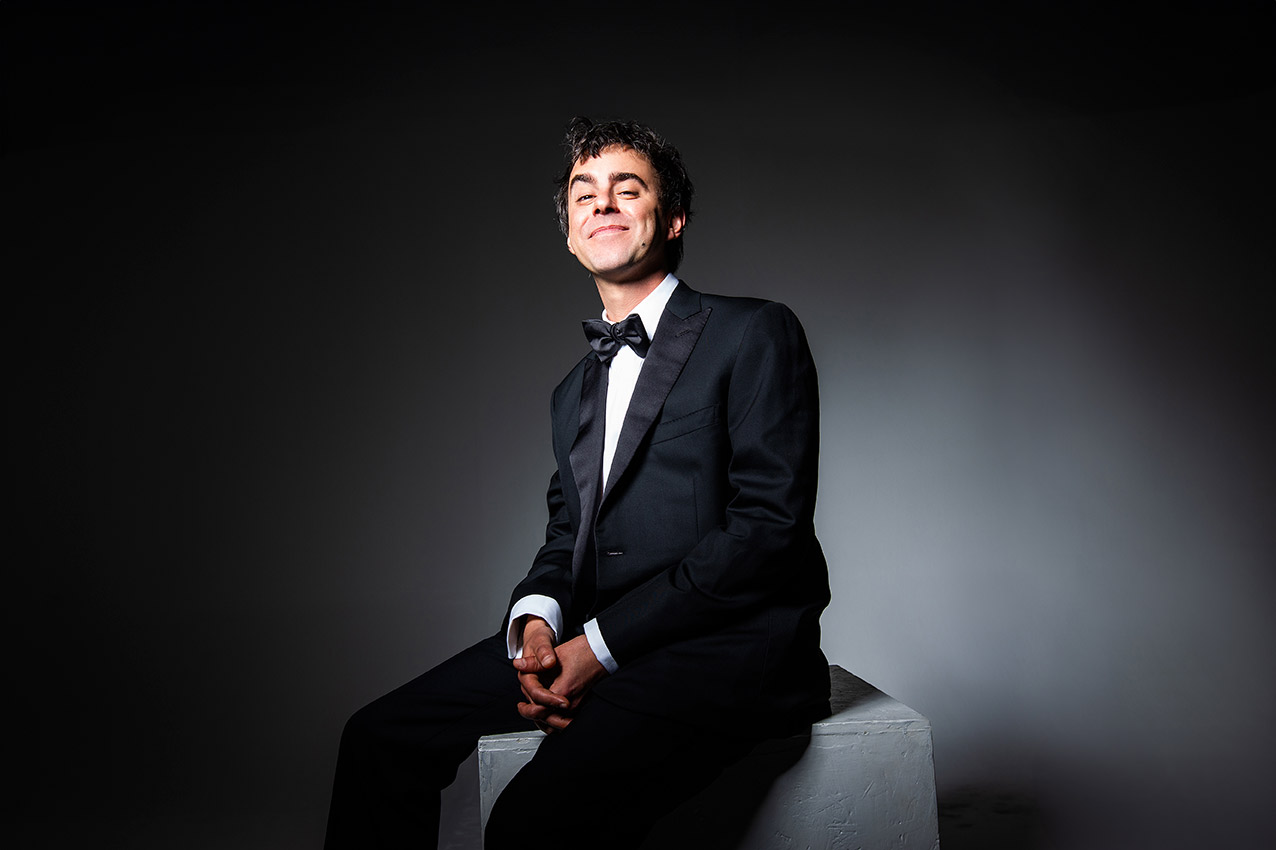
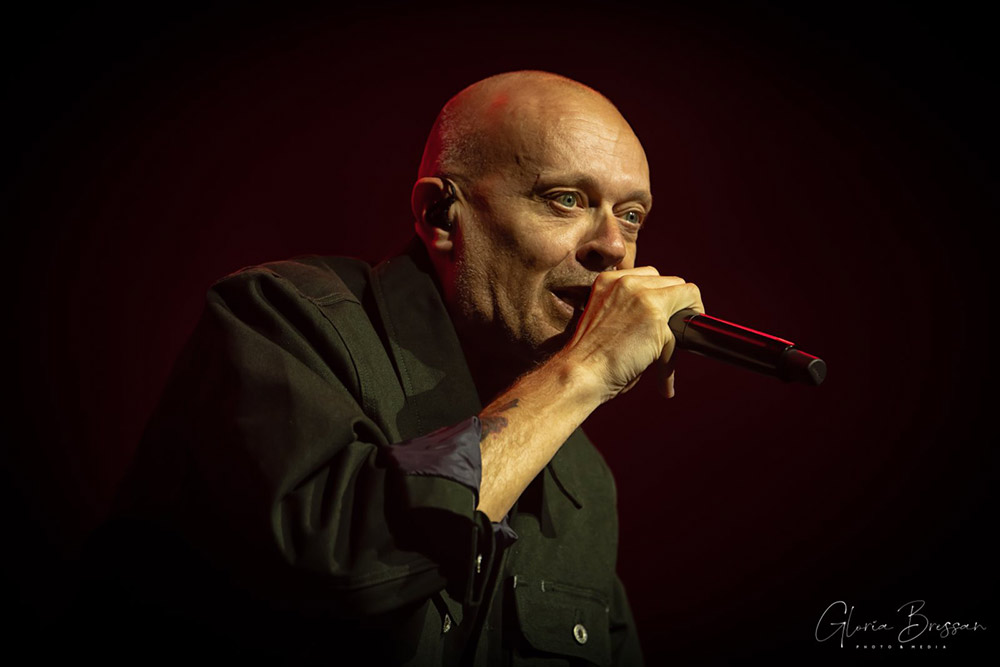
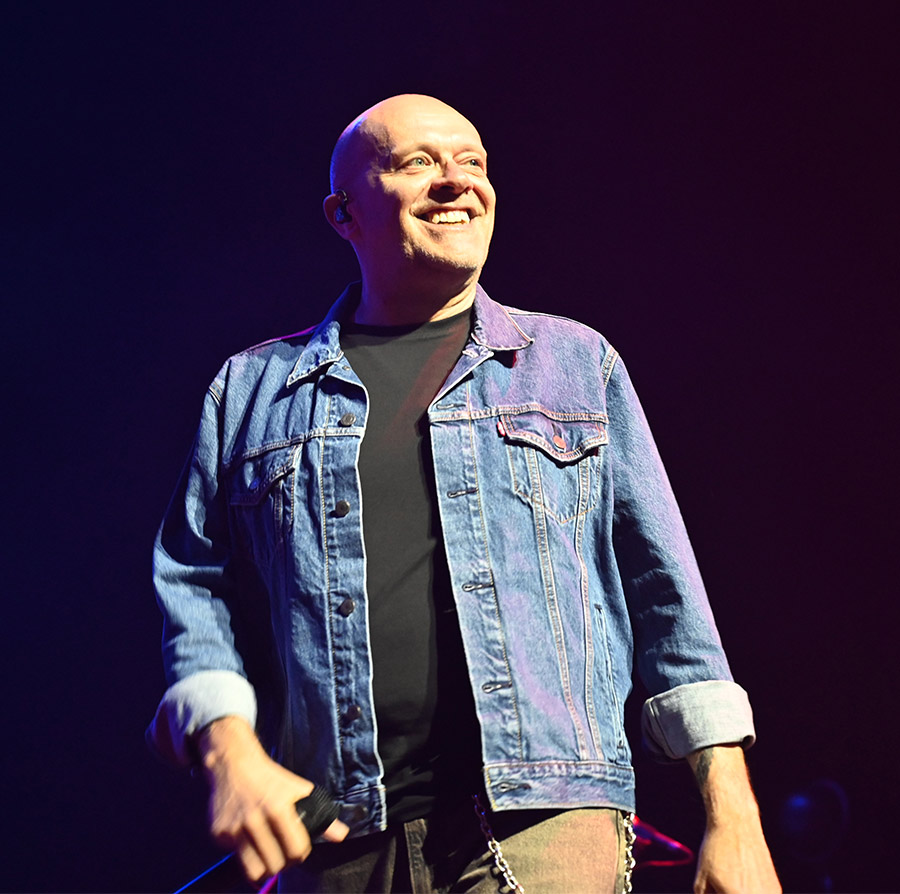
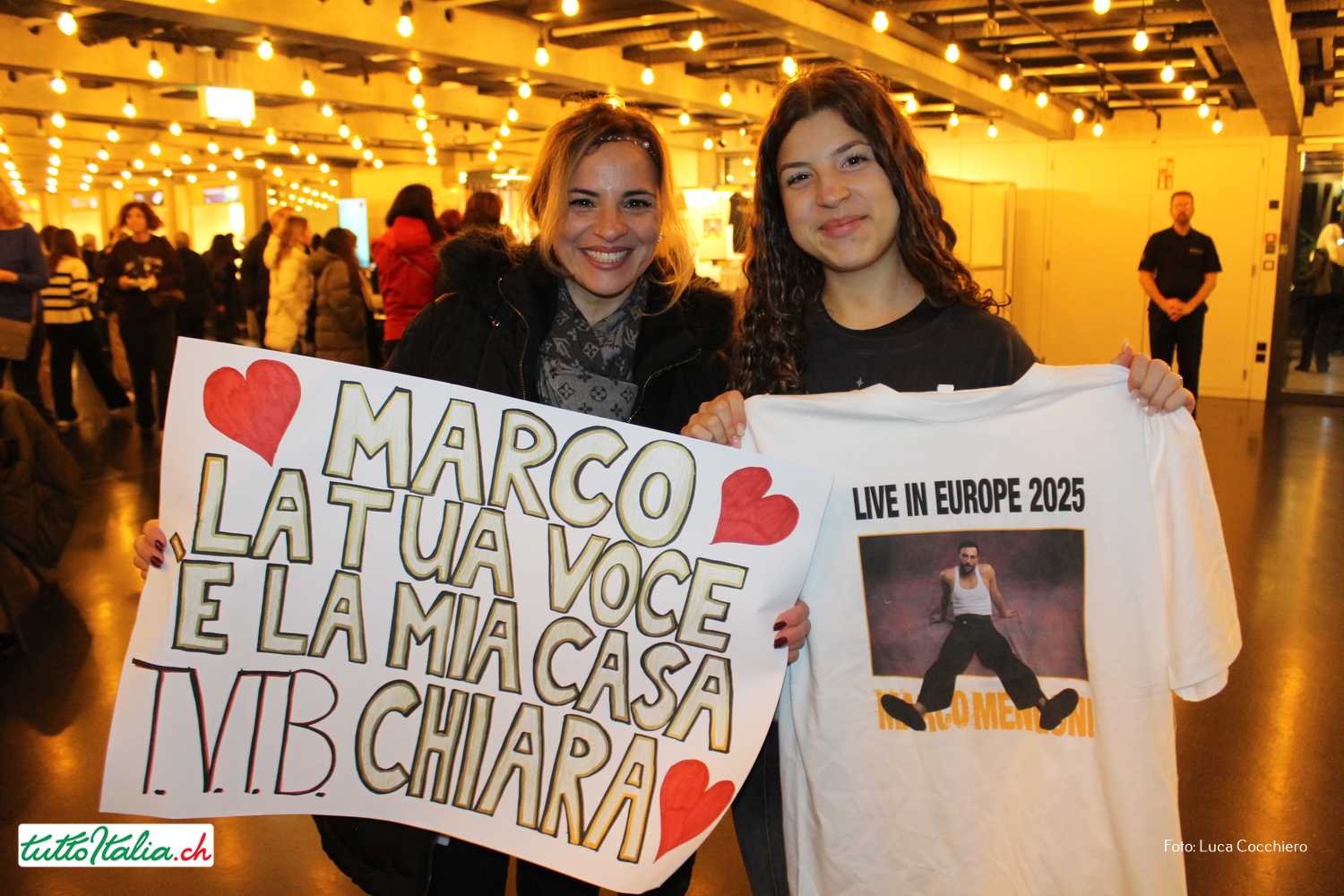
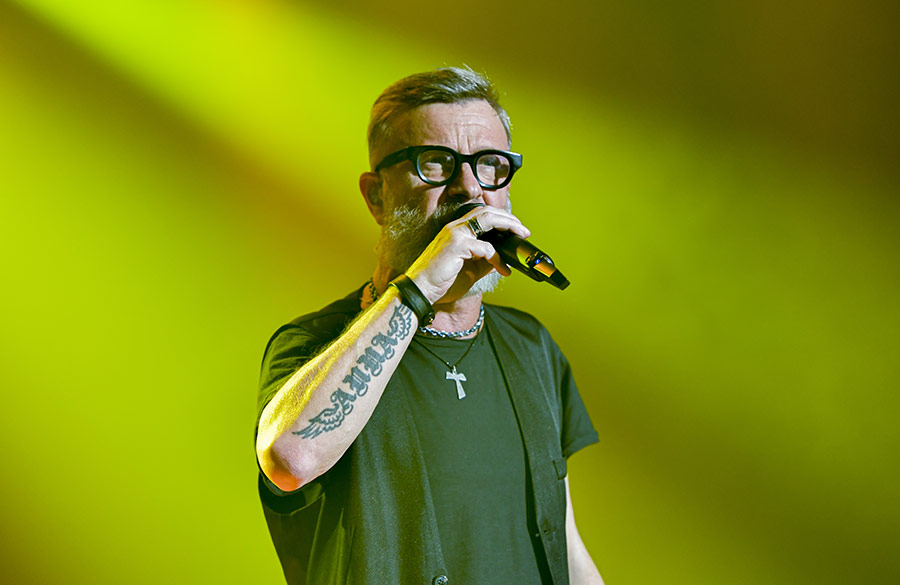
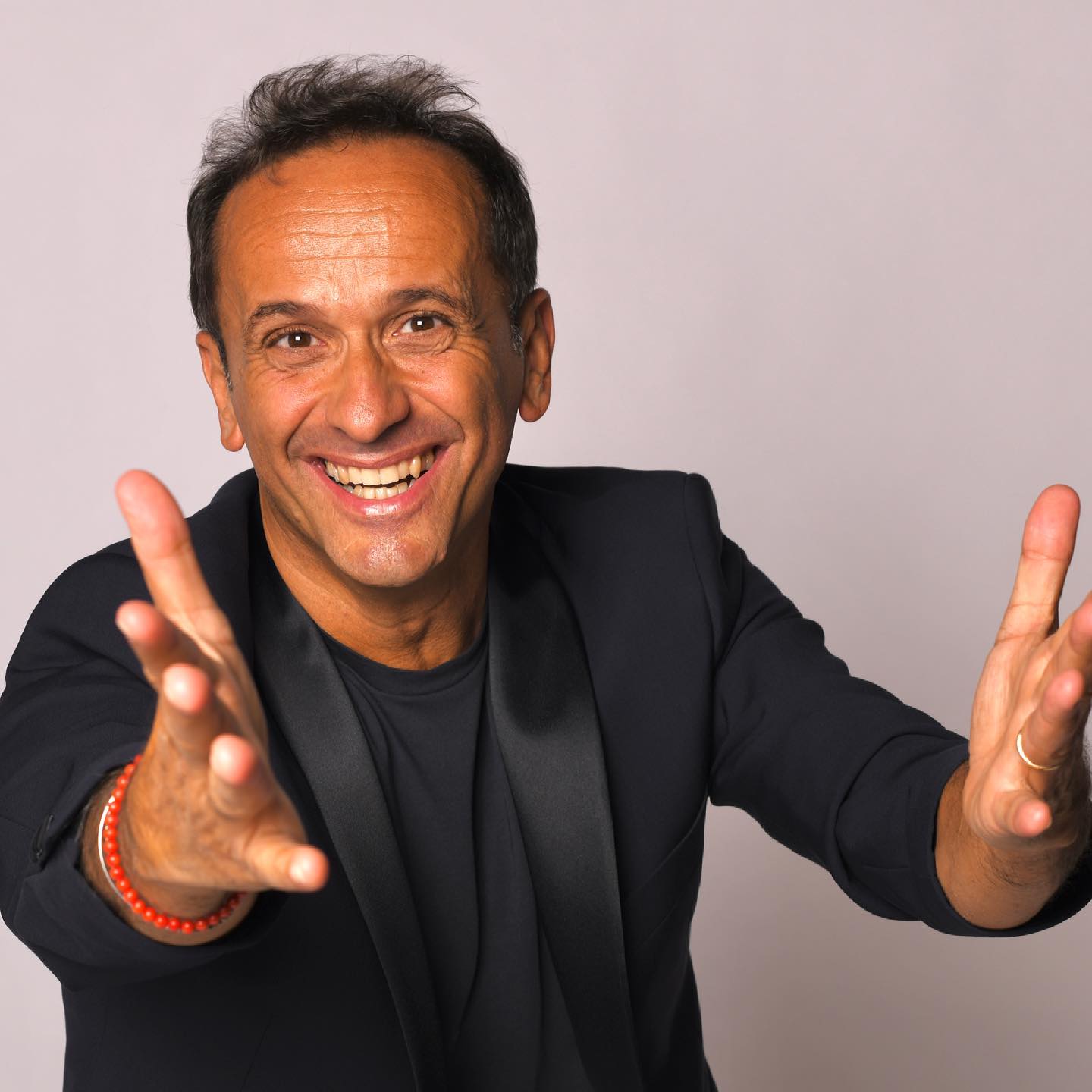
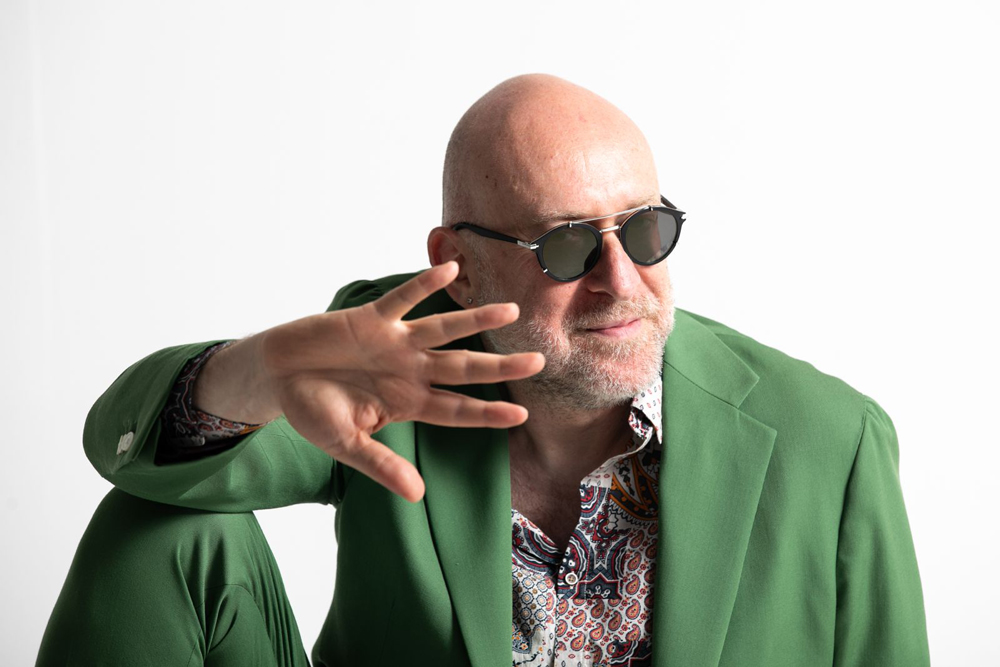
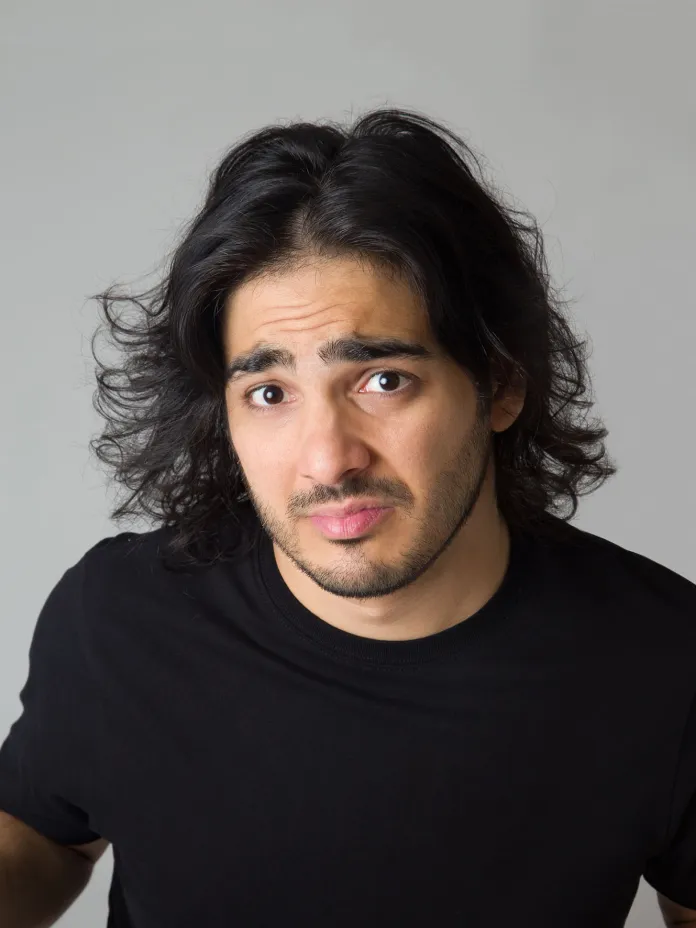
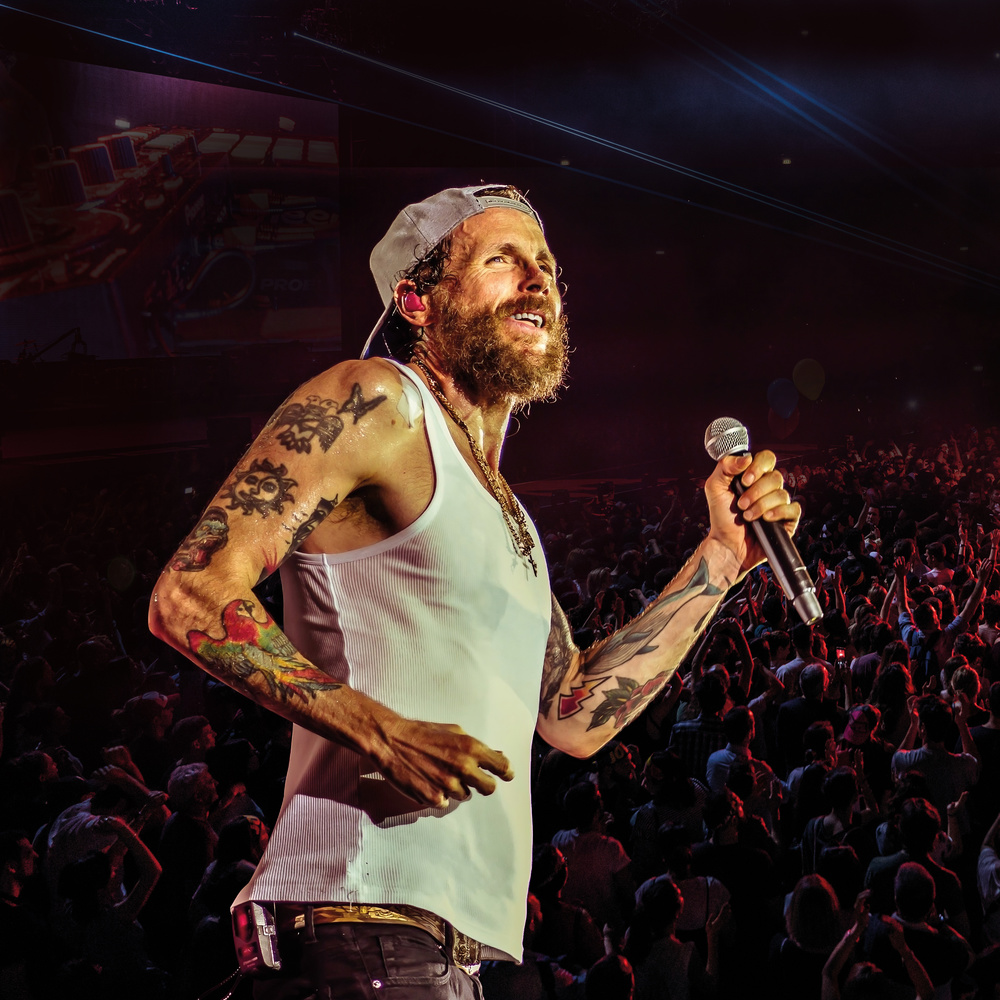
Ok, so if you do not win at Eurovision we can say that Italy did not take part because you are of foreign descent, and that way you silence everyone…? This ridiculous joke, at which we laugh openly, brings to an end our chat with Marco Mengoni. We allow ourselves a few slightly ironic photos that confirm the rapport built up over the last half hour.

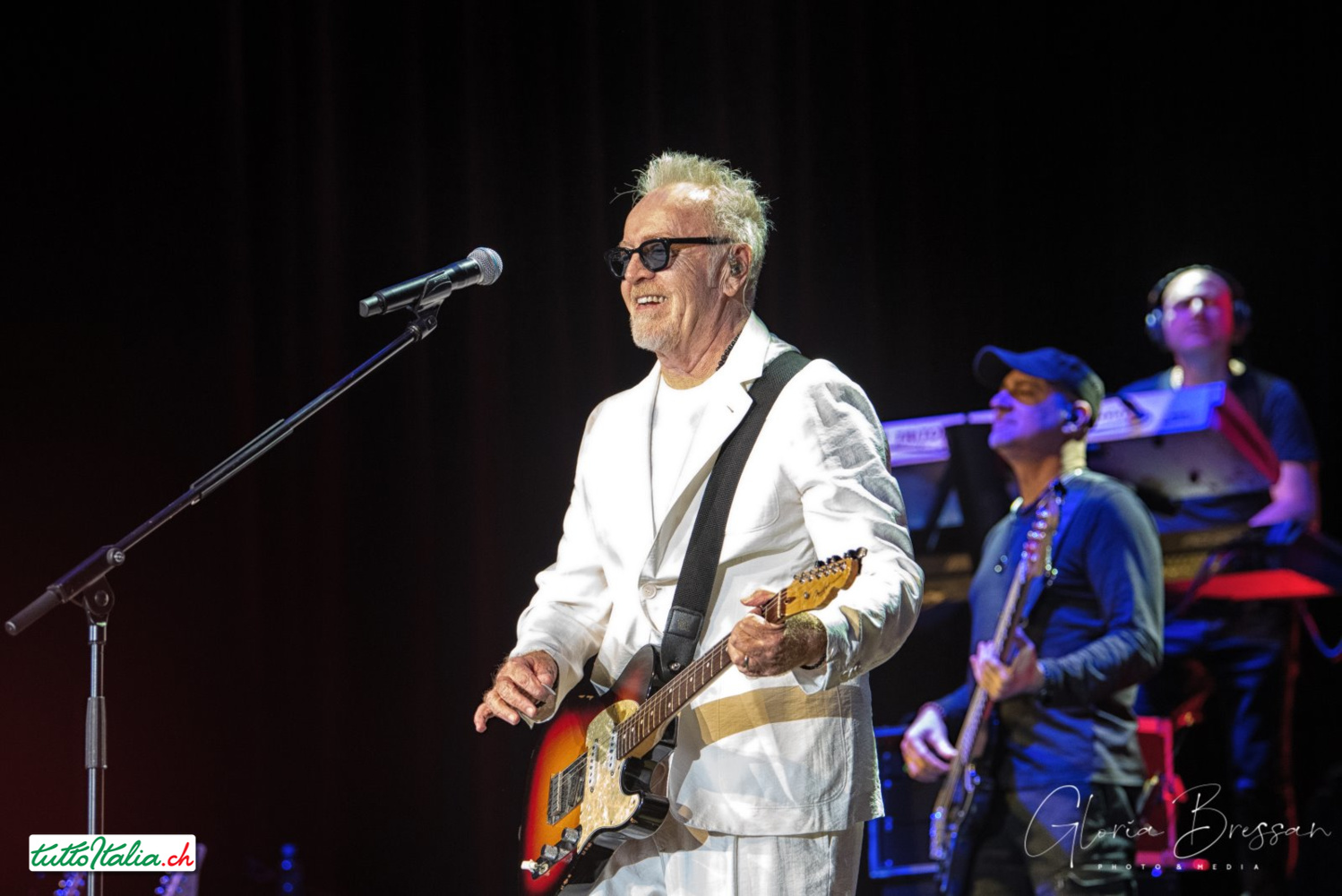
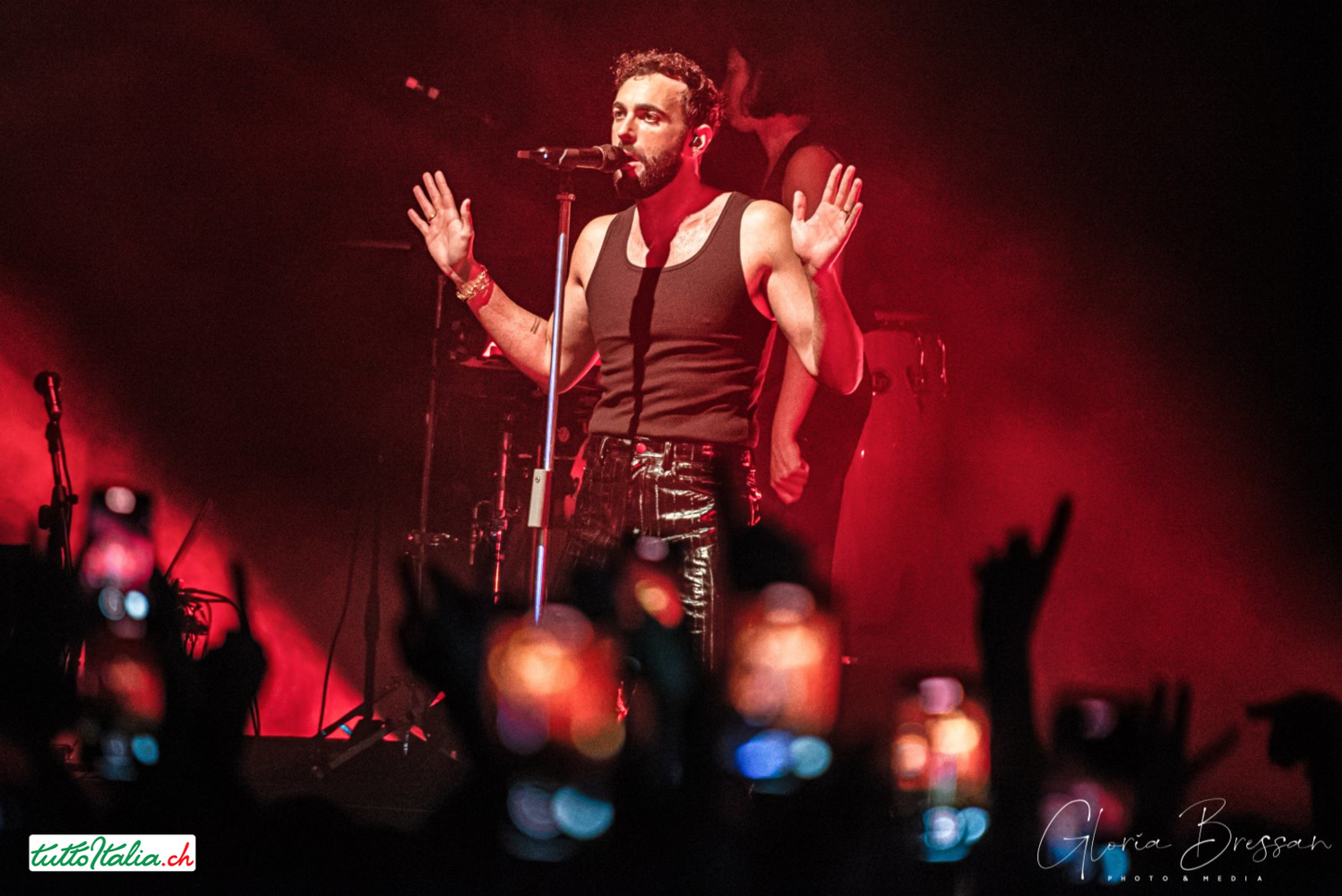
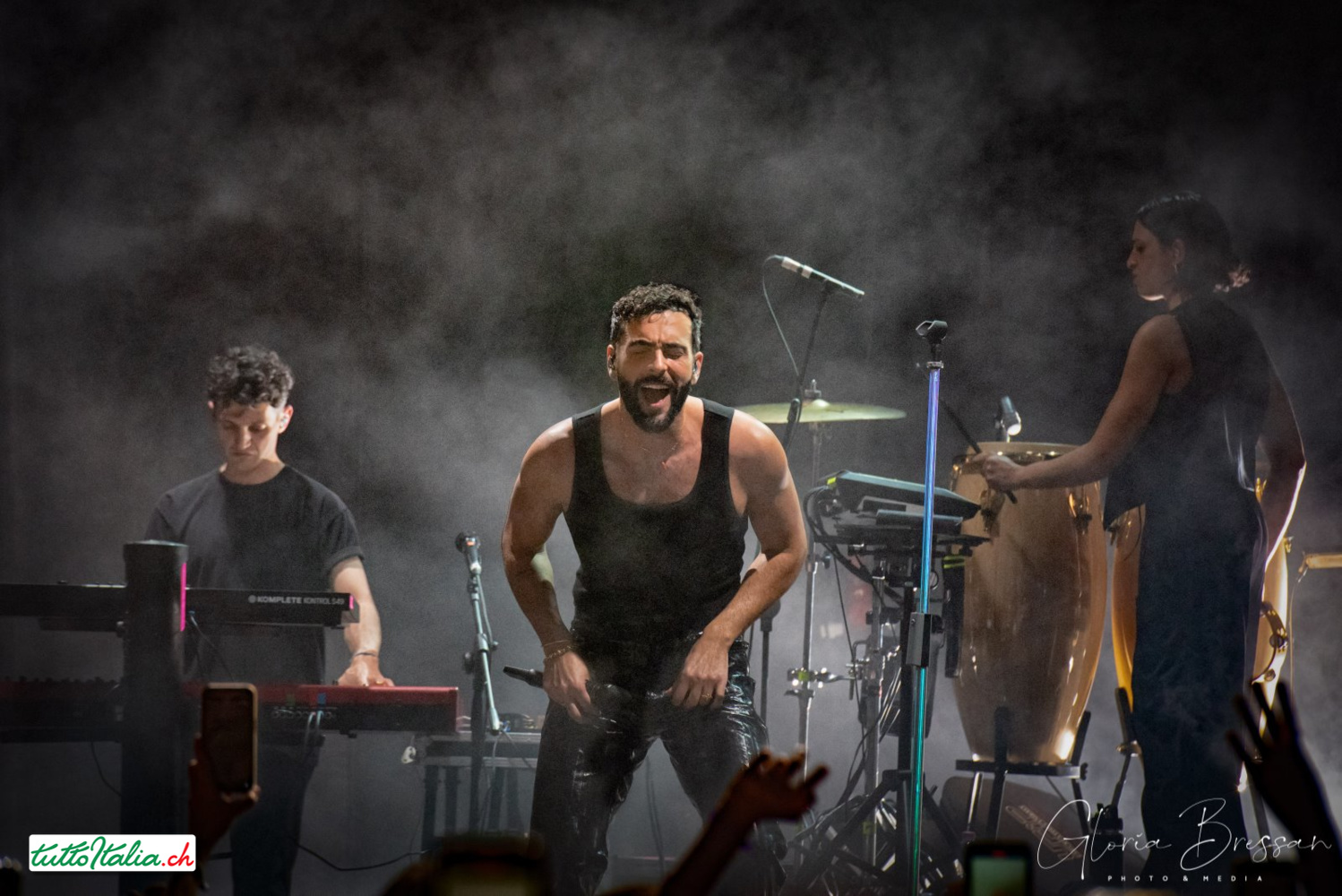
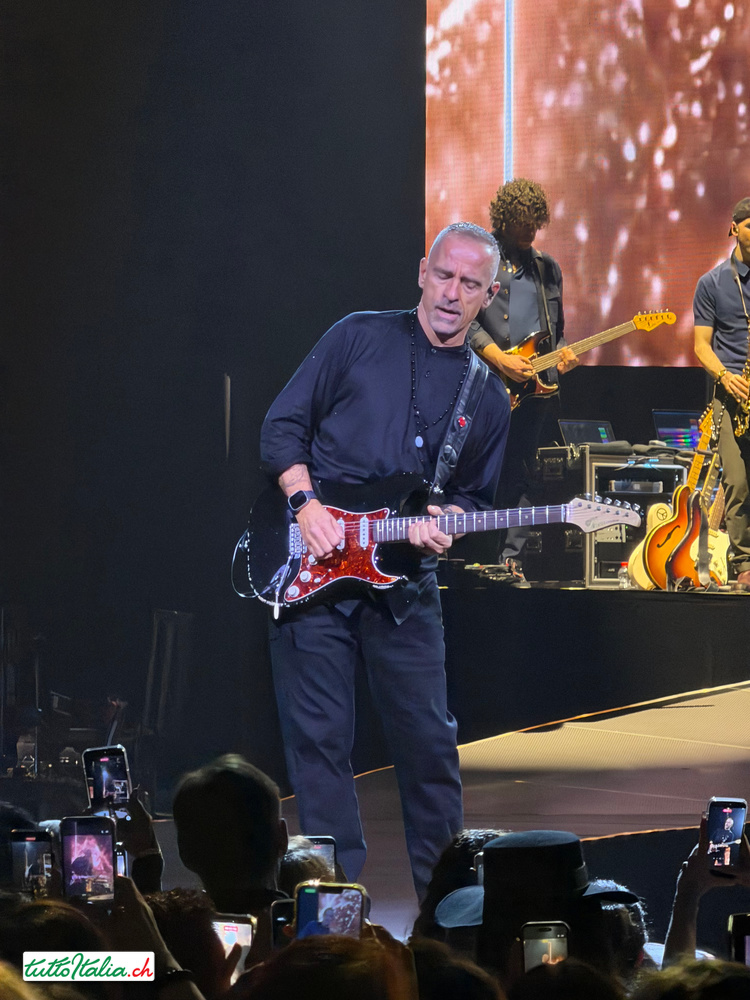
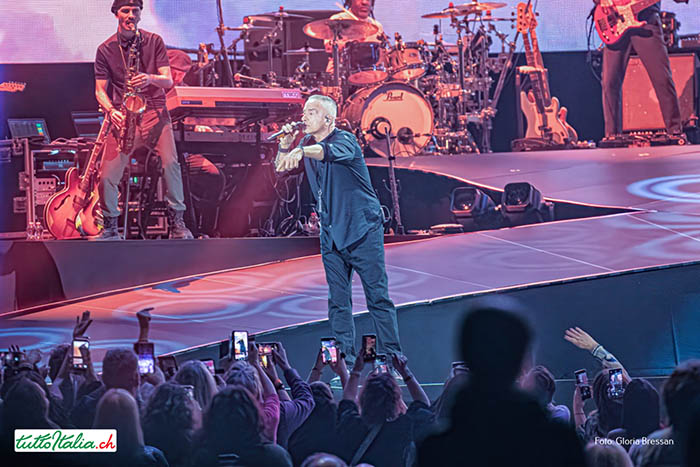
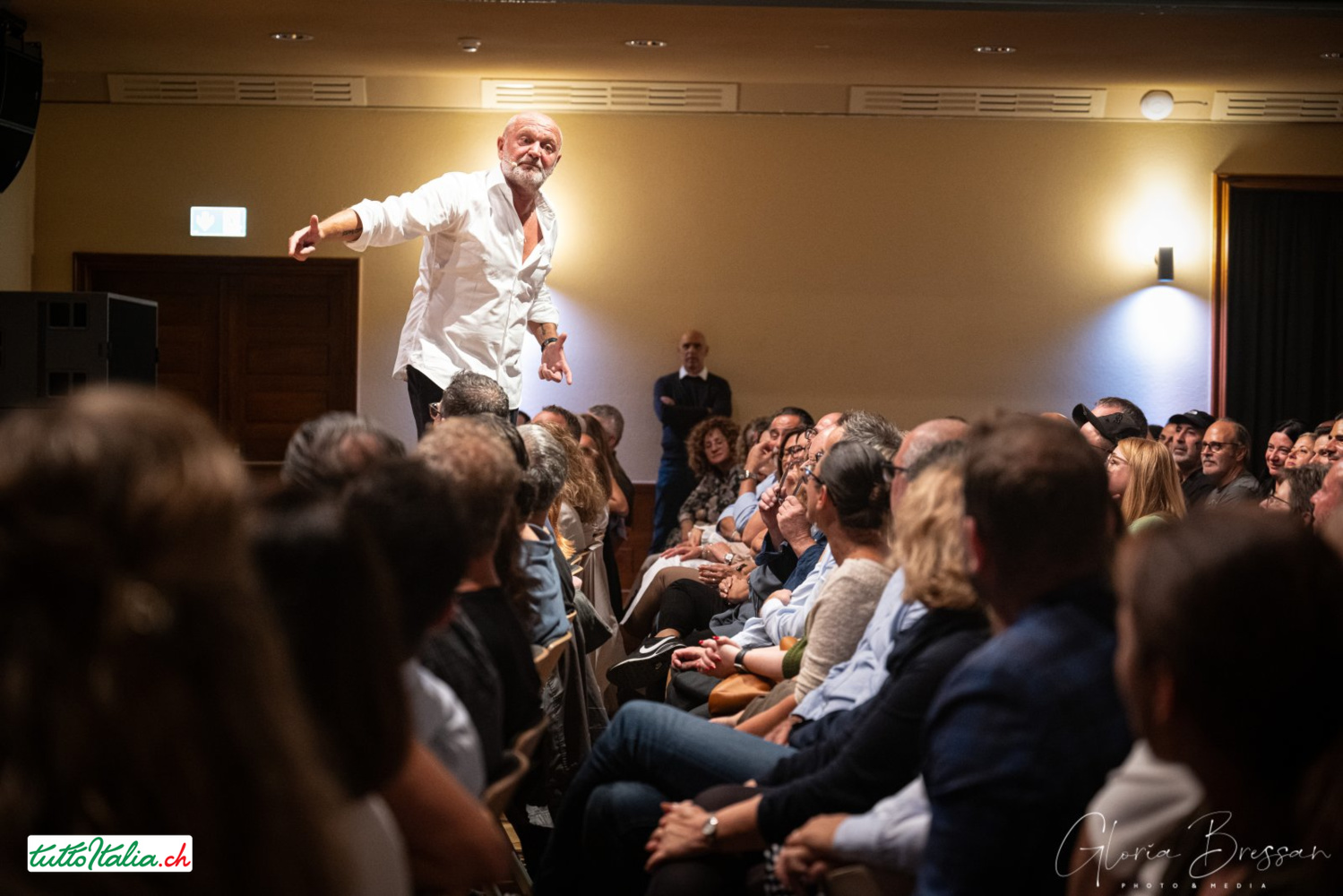
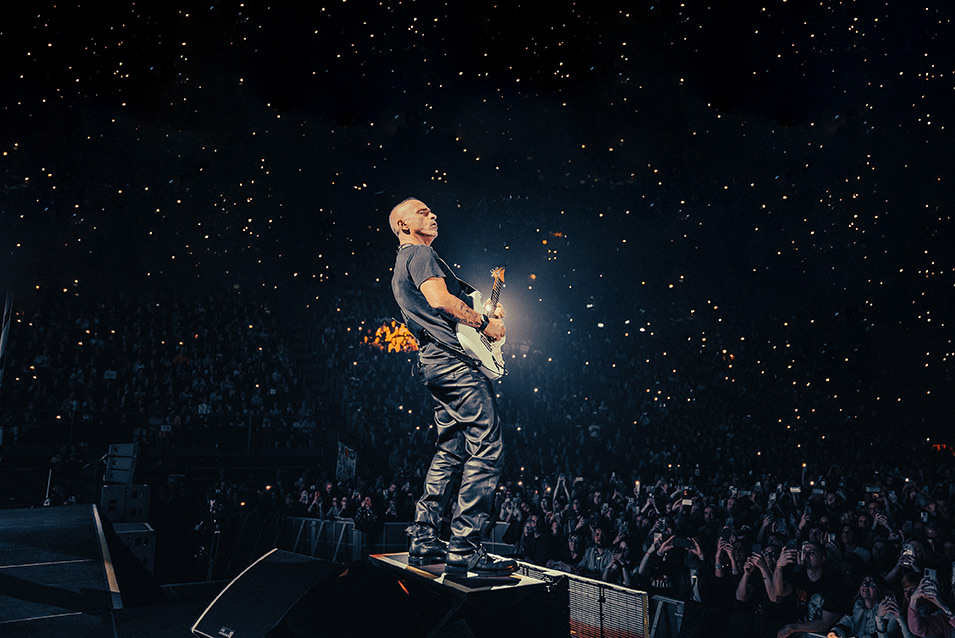
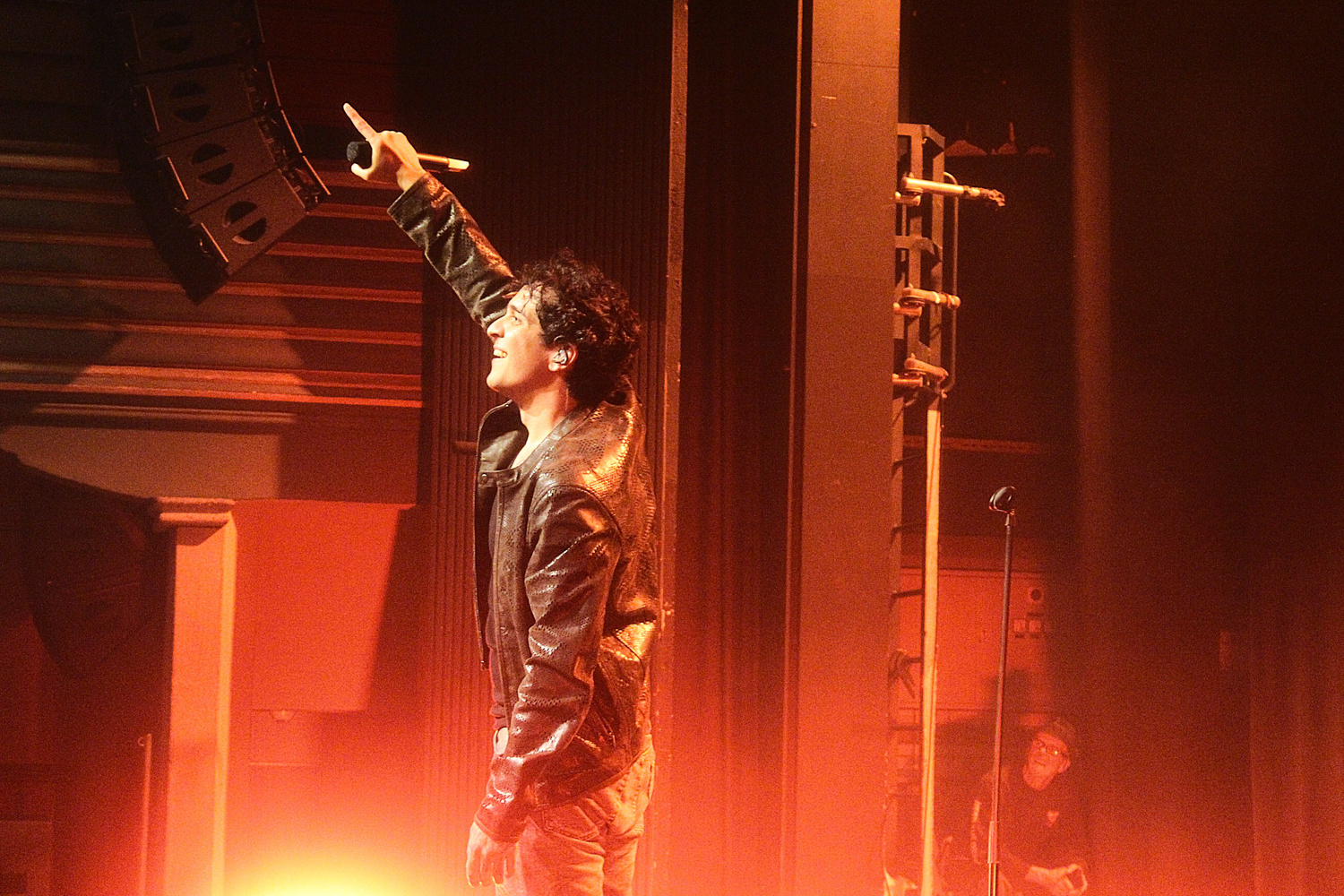
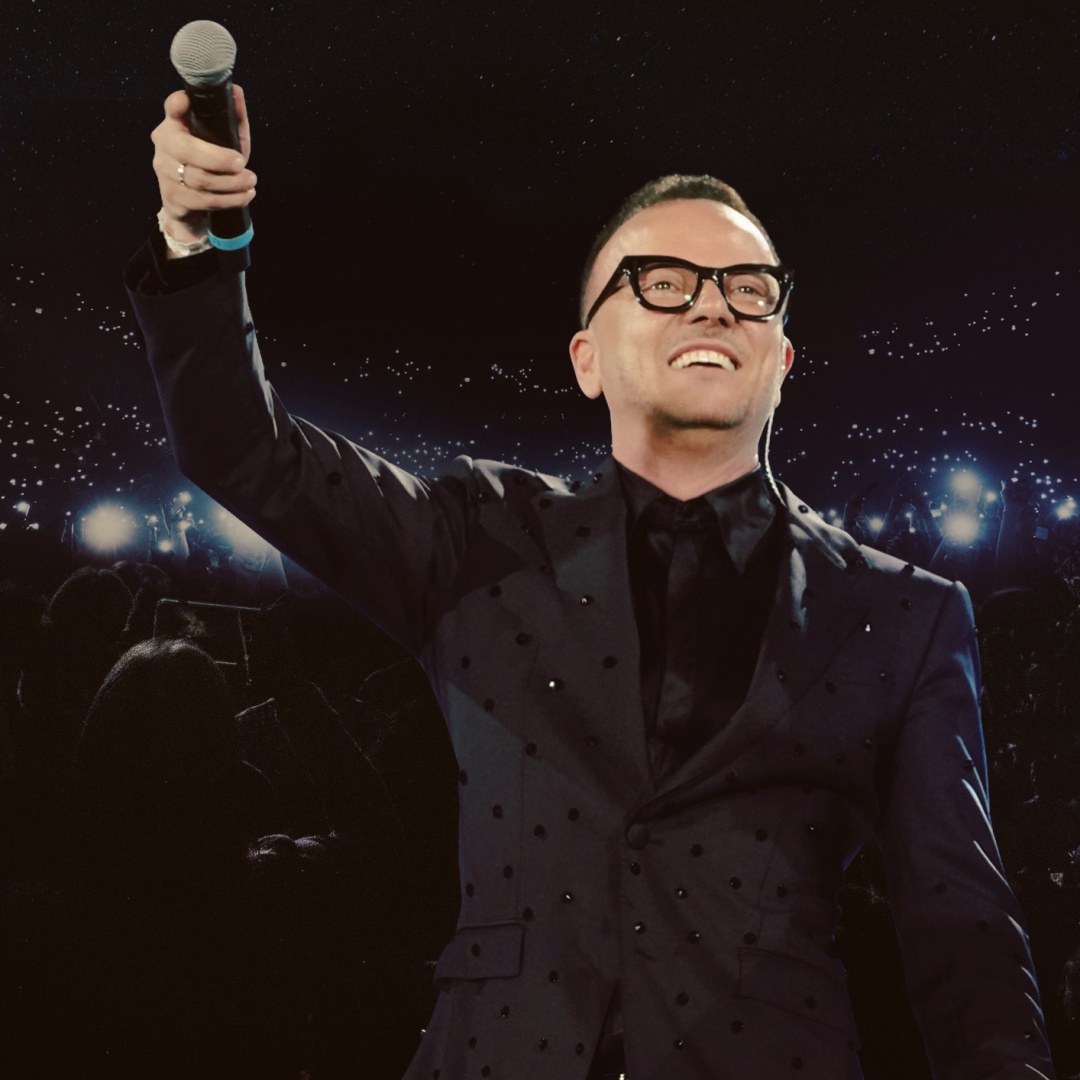
I ask him a favour: to look at me during the concert, because I will be at the foot of the stage taking photographs and I would love a nice close-up of his Iraqi eyes. He answers me in the most disarming way: “Sorry, but I do not see all that well, I do not know whether I will see you, my eyesight is not perfect. I should wear glasses like everyone else, but I never do at concerts…”
Now we know: a flaw…Marco Mengoni does have one!


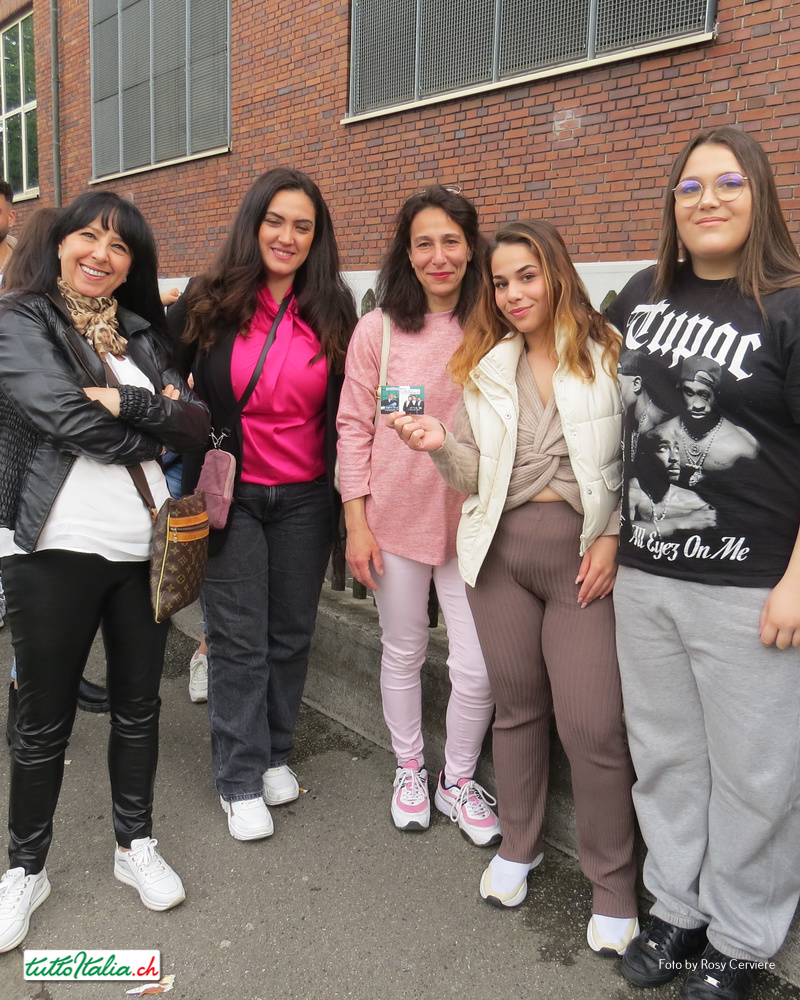
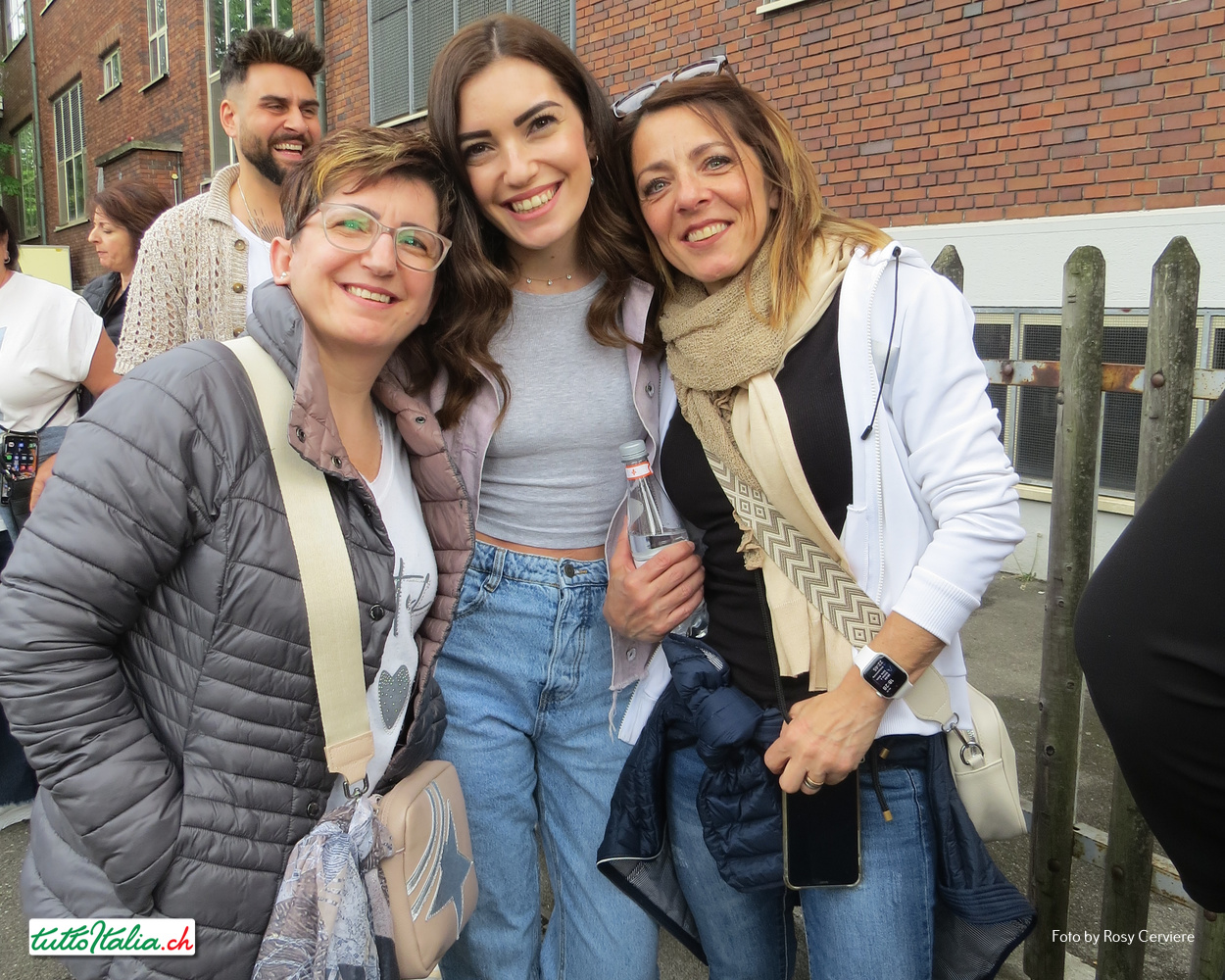
See all the photos: https://tuttoitalia.news/foto-mengoni
.jpeg)








.jpeg)





.jpeg)