Pubblicità




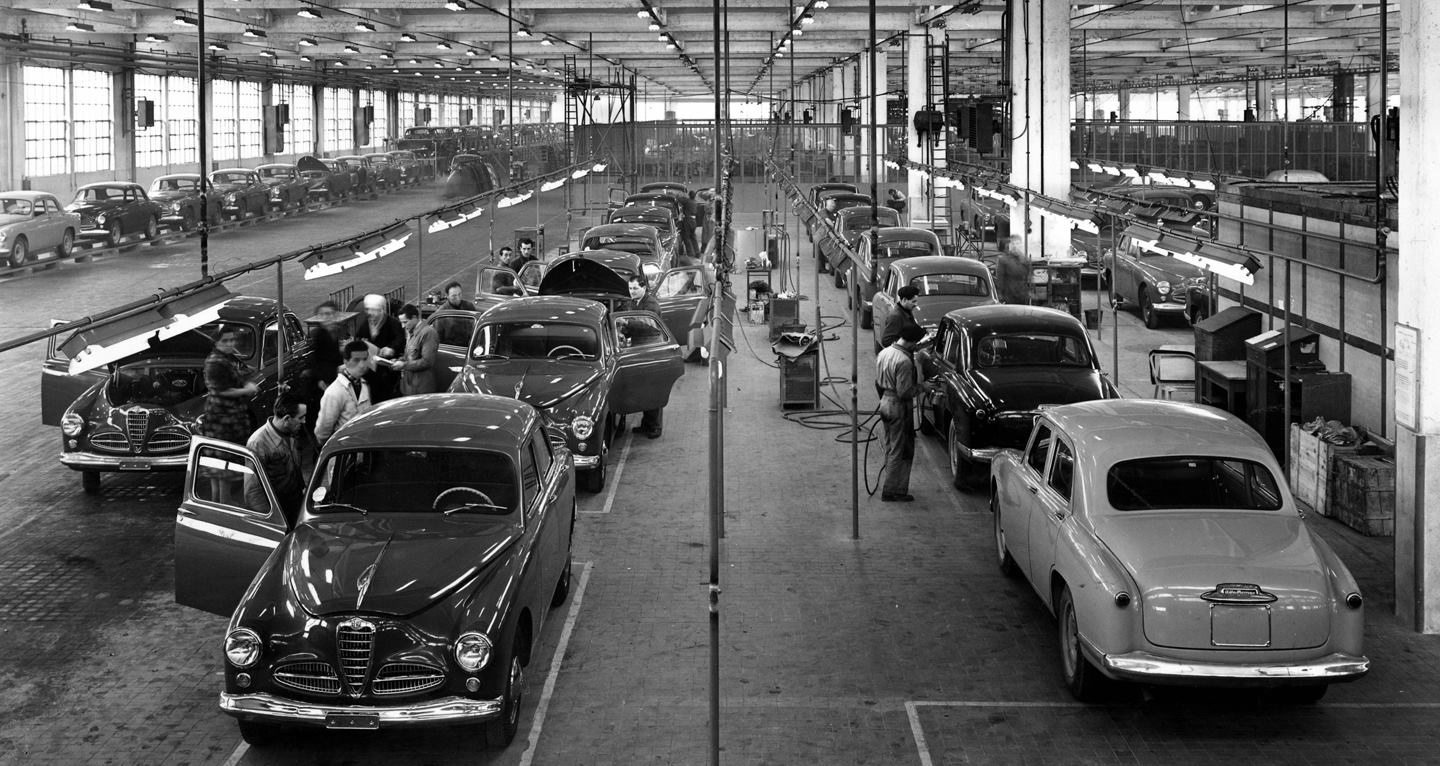
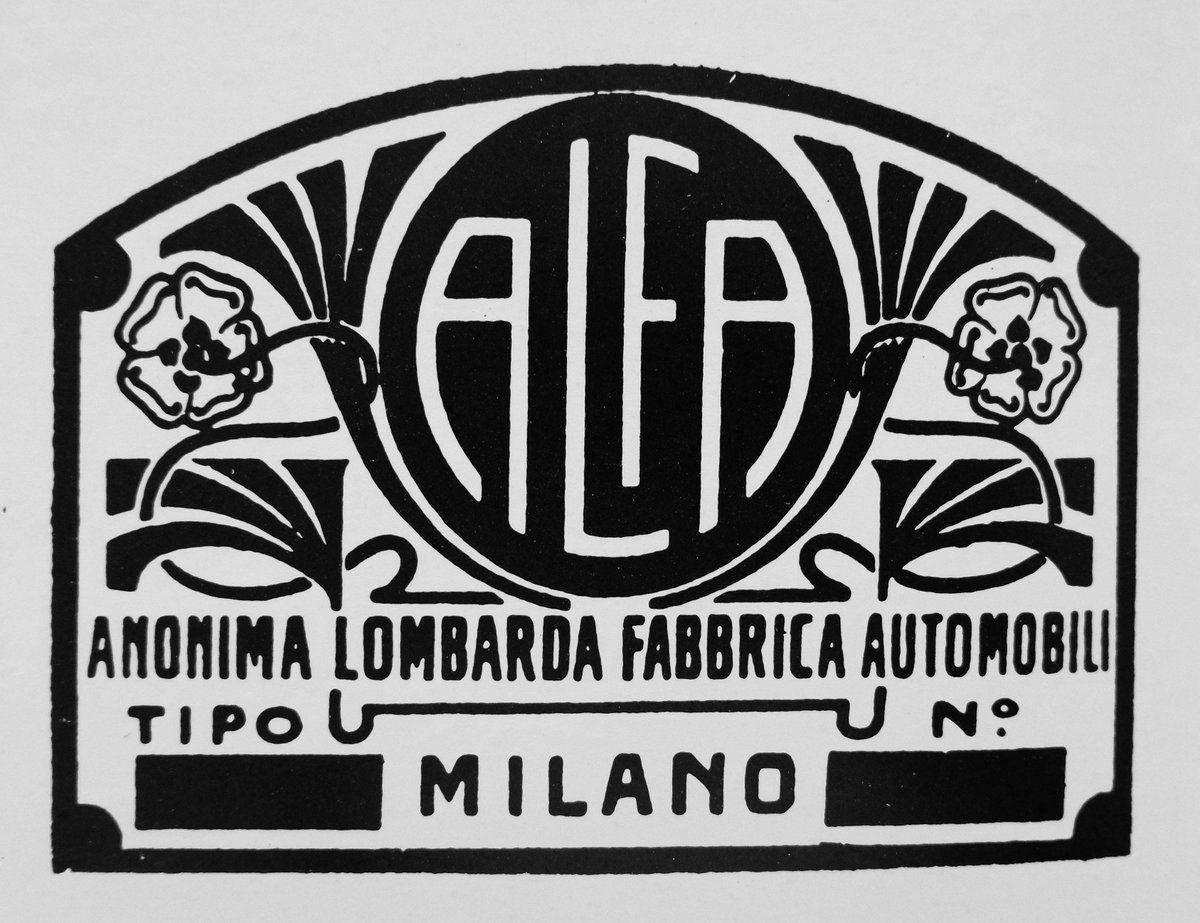
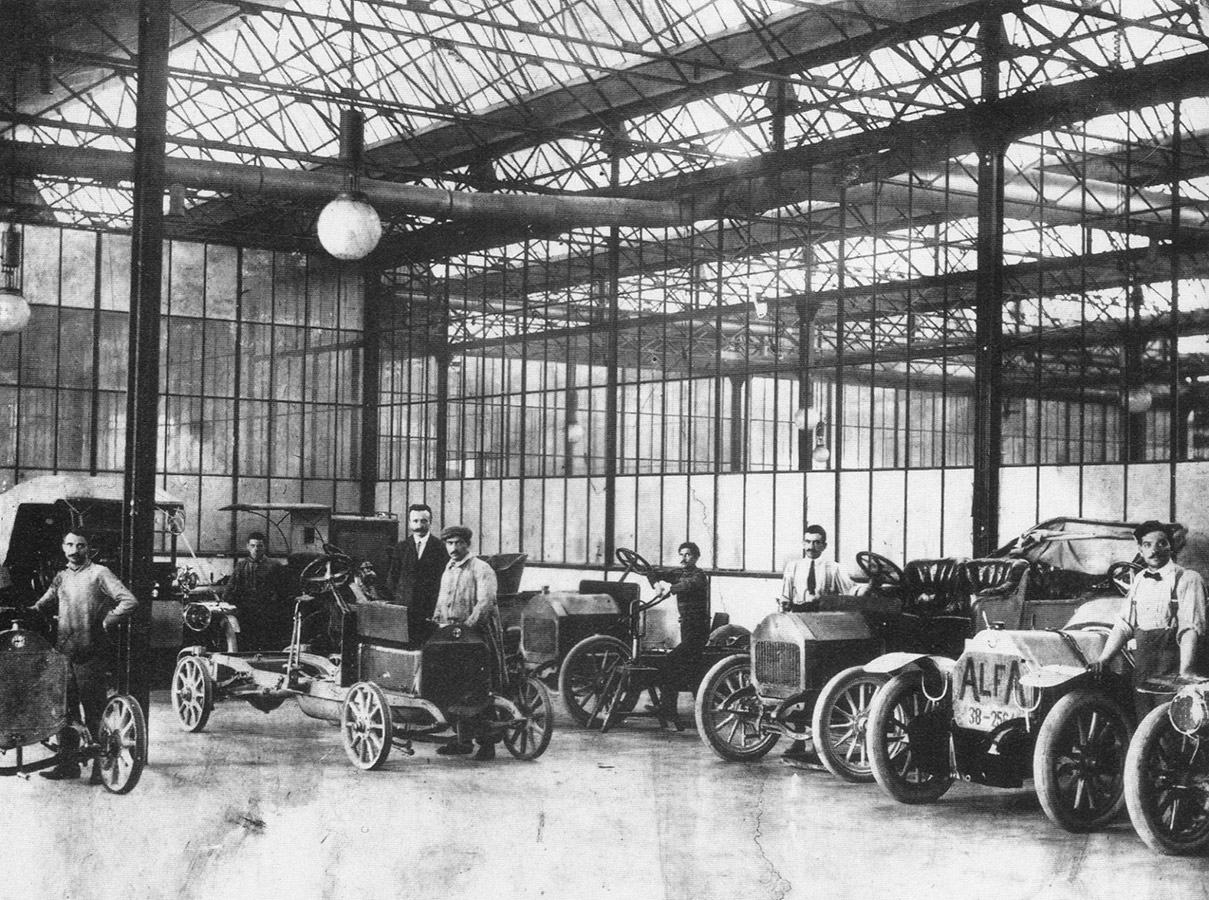
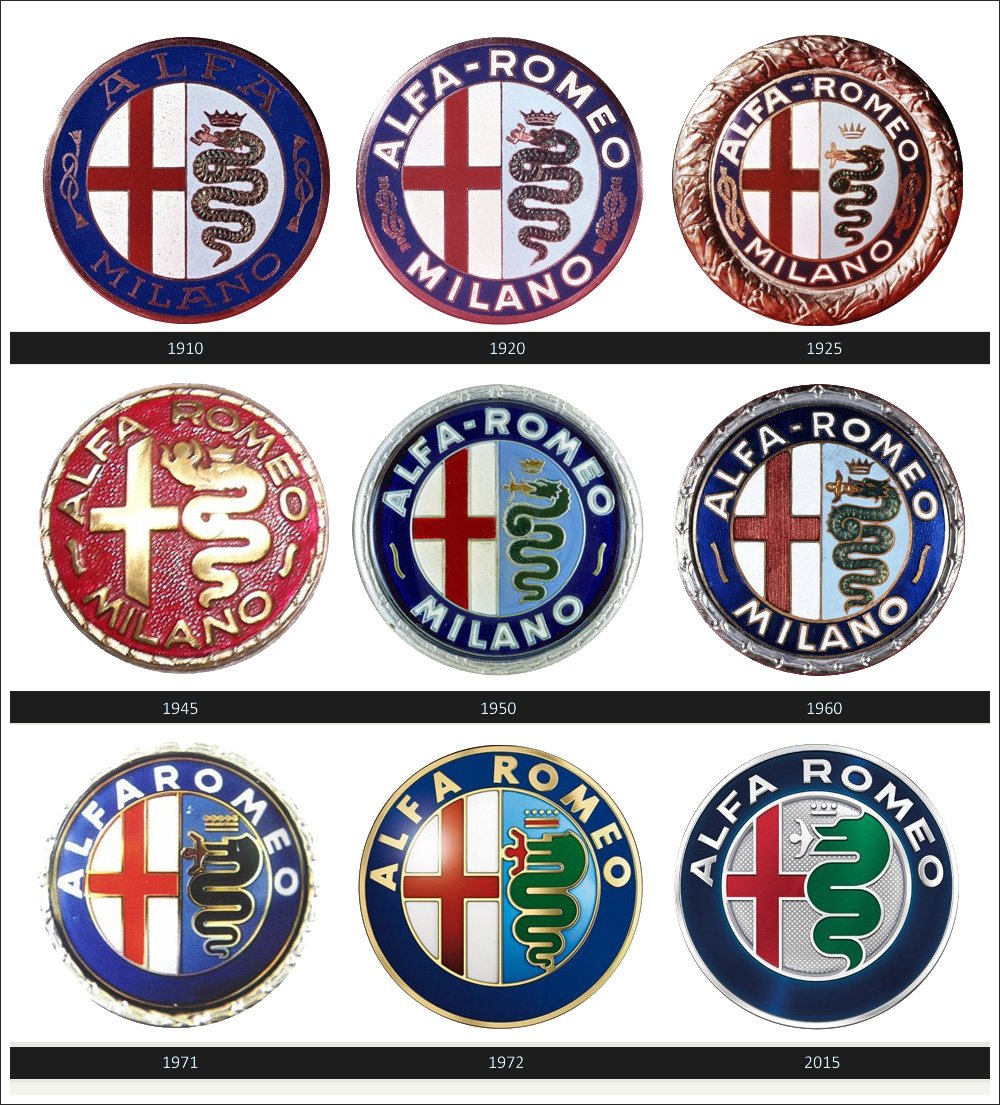
Founded on 24 June 1910 in Milan as ALFA, an acronym for “Anonima Lombarda Fabbrica Automobili”, in 1918 it changed its name to “Alfa Romeo”, following Nicola Romeo’s acquisition of control of the company. Alfa Romeo belonged to the Italian State from 1933 to 1986, when it was sold to the Fiat group. Throughout its history, the marque has produced many road cars and concept cars that have shaped the design history of the Italian automotive industry. From a technological standpoint, Alfa Romeo has at times been regarded as one of the pioneering manufacturers on the world automotive scene, thanks to the innovations that made their debut on its cars. In addition to passenger cars, Alfa Romeo has also produced commercial vehicles, rolling stock, public transport, marine and aeronautical engines. In the early 1970s, at the peak of its manufacturing capacity, the workforce came close to 29,000 employees, spread across the three production plants of the time: Portello, Arese and Pomigliano d’Arco.

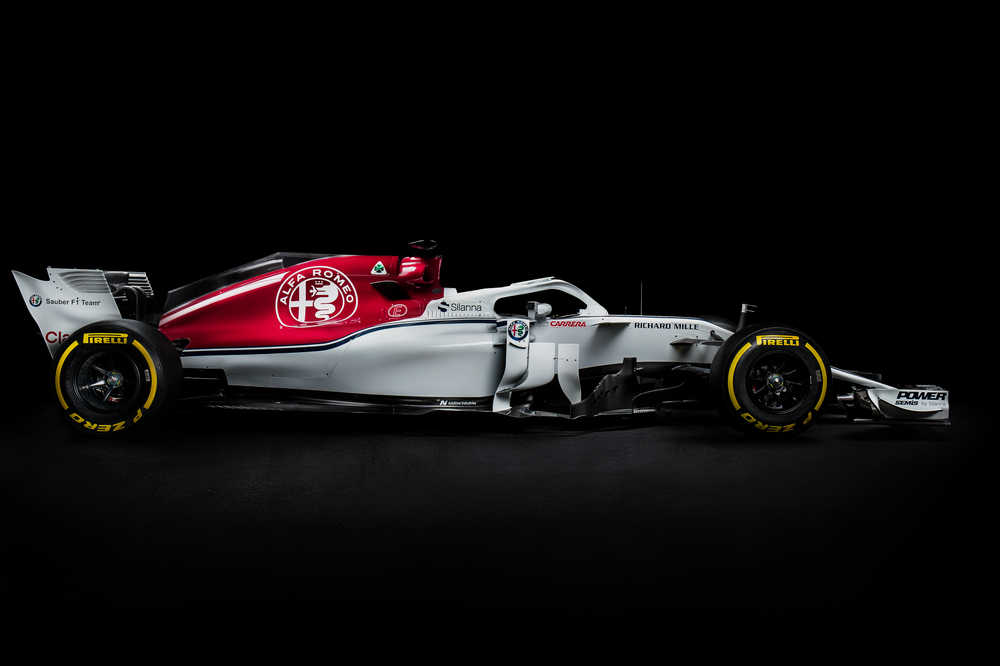
Alfa Romeo’s history is inseparably tied to the world of racing, with the technicians and engineers of the Biscione marque having always exploited the bond with motorsport to improve production cars. As early as 1925 (only 15 years after its founding), Alfa Romeo won the first World Championship for cars ever organised, then, twenty-five years later, it triumphed in two consecutive years in the first editions of the Formula 1 World Championship. At the same time it continued producing public transport, commercial vehicles, trains and engines designed for aviation and for boats. From the first ALFA 24HP of 1910, there followed continuous stylistic and mechanical developments, from the Alfa Romeo 6C to the 8C, going on to the various Alfa 1900, Alfa Romeo Giulietta and Giulia, passing through the countless successes of the Alfa GTA and many other models conceived for racing and often produced for road use too. Supercars such as the Montreal or the Alfa 33 Stradale, which became famous all over the world, but also everyday cars like the Alfa 33 or the Alfa 75, right up to the more modern models such as the hugely successful Alfa Romeo 147 or the various 156 and 166 saloons, with a future strongly geared towards the rebirth of the marque after a dark period.

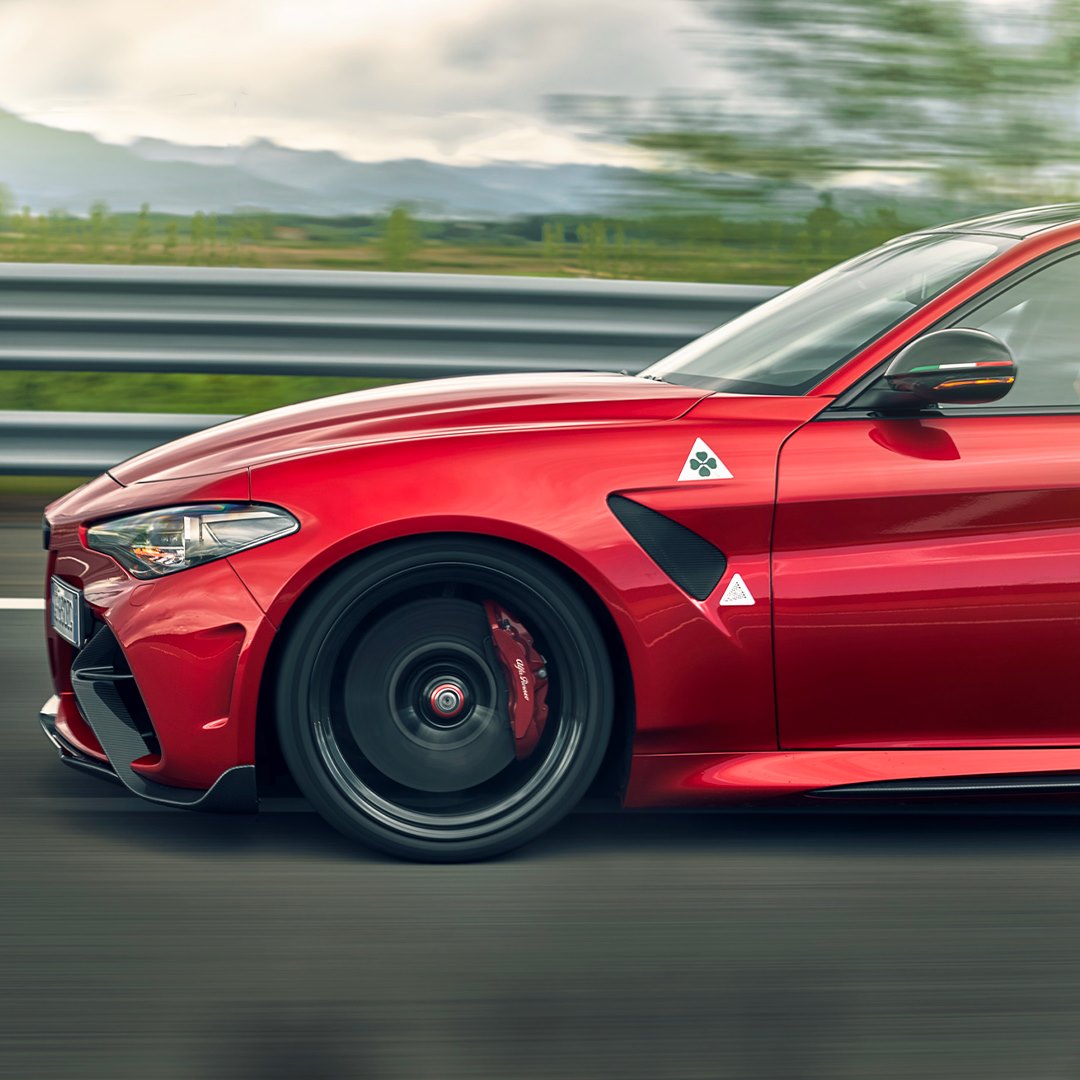
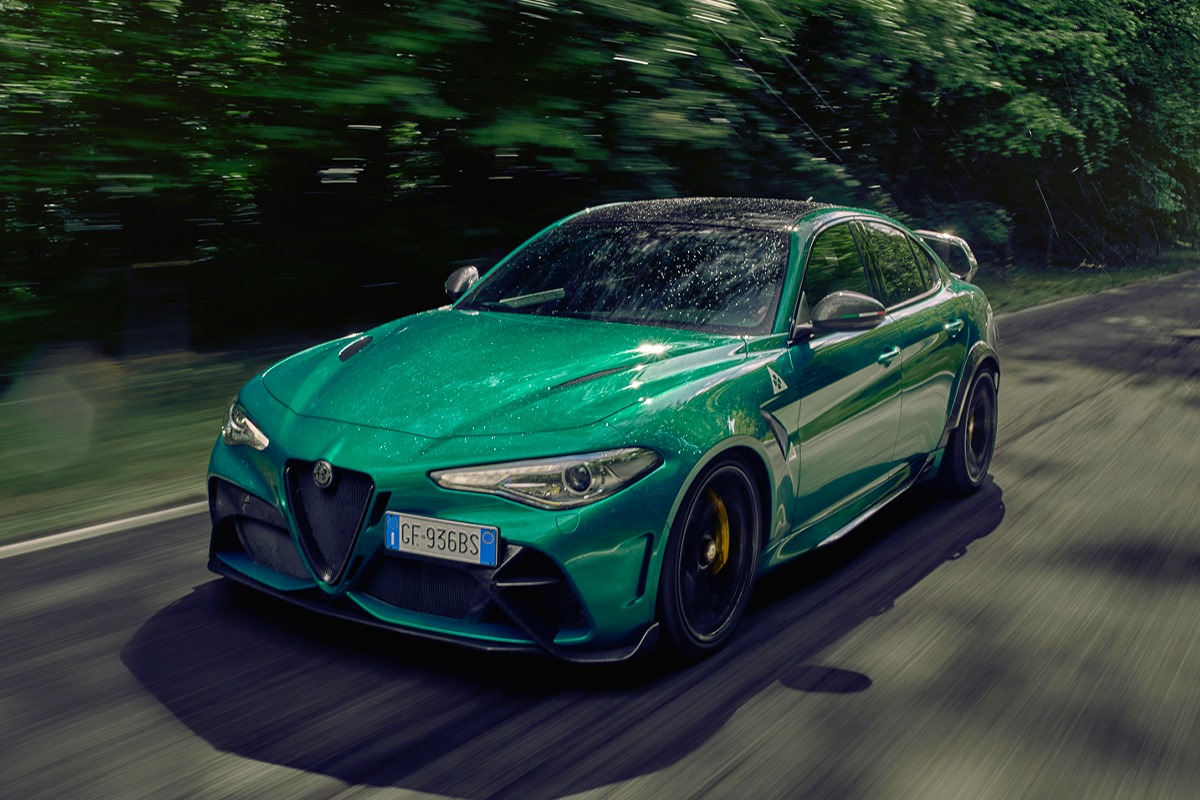
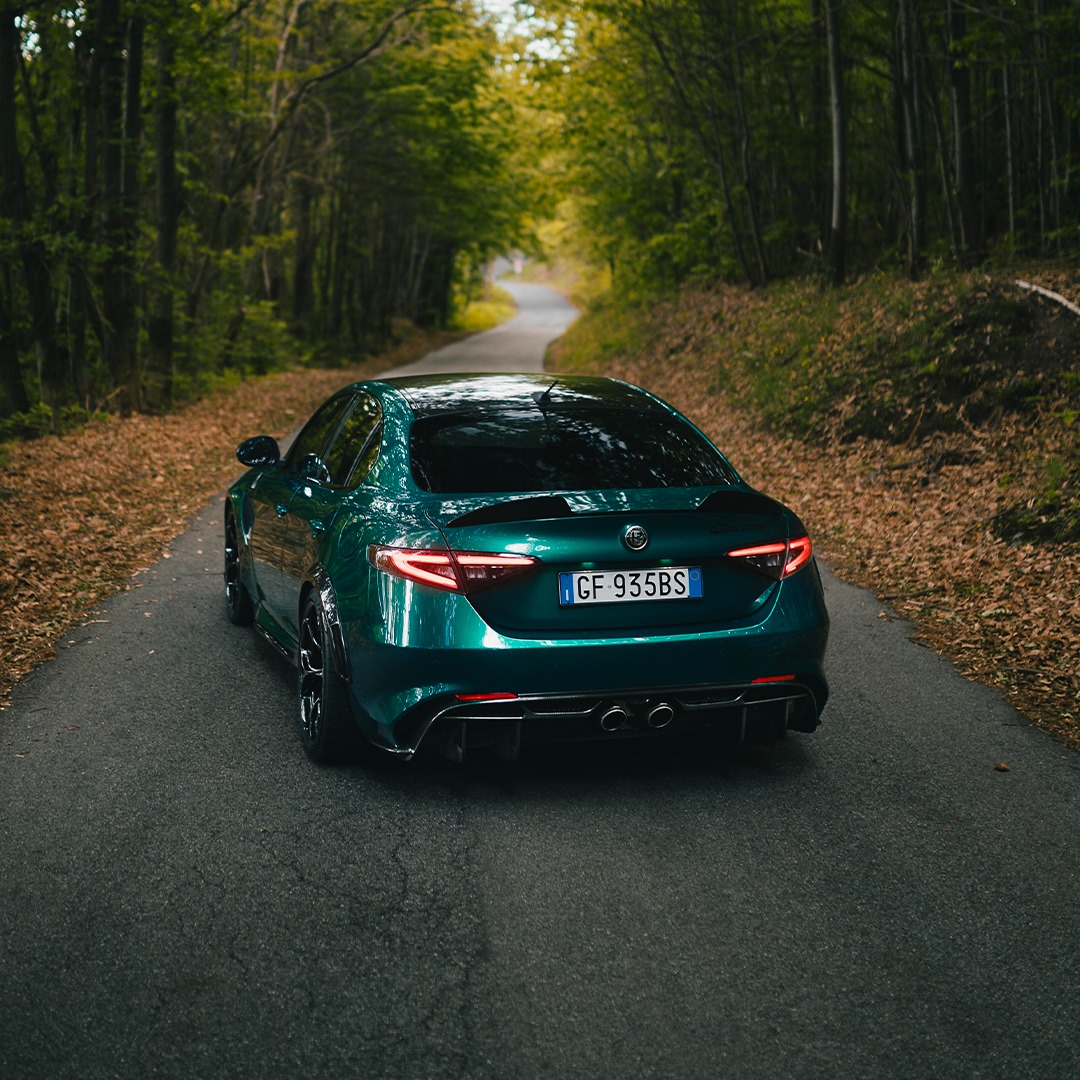
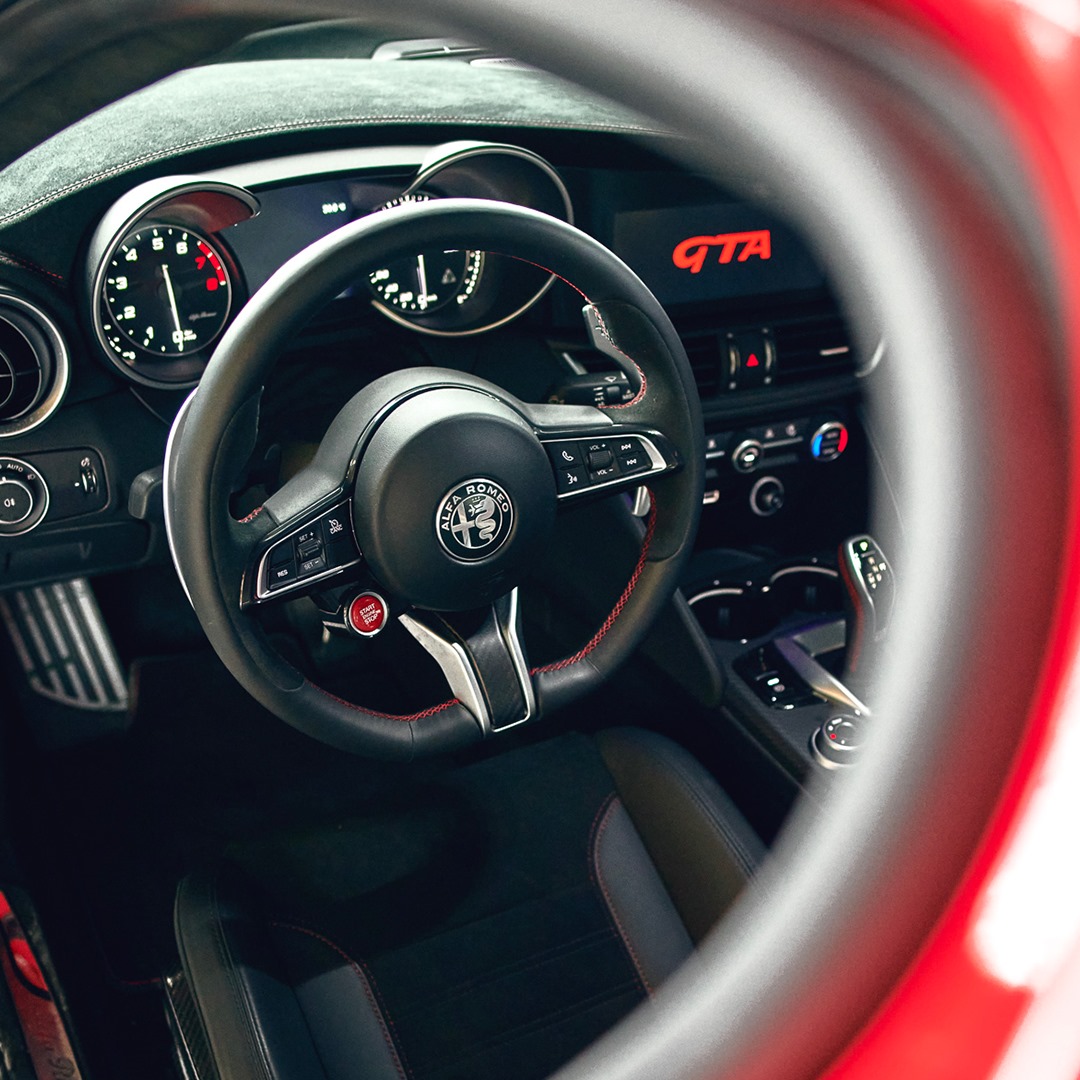
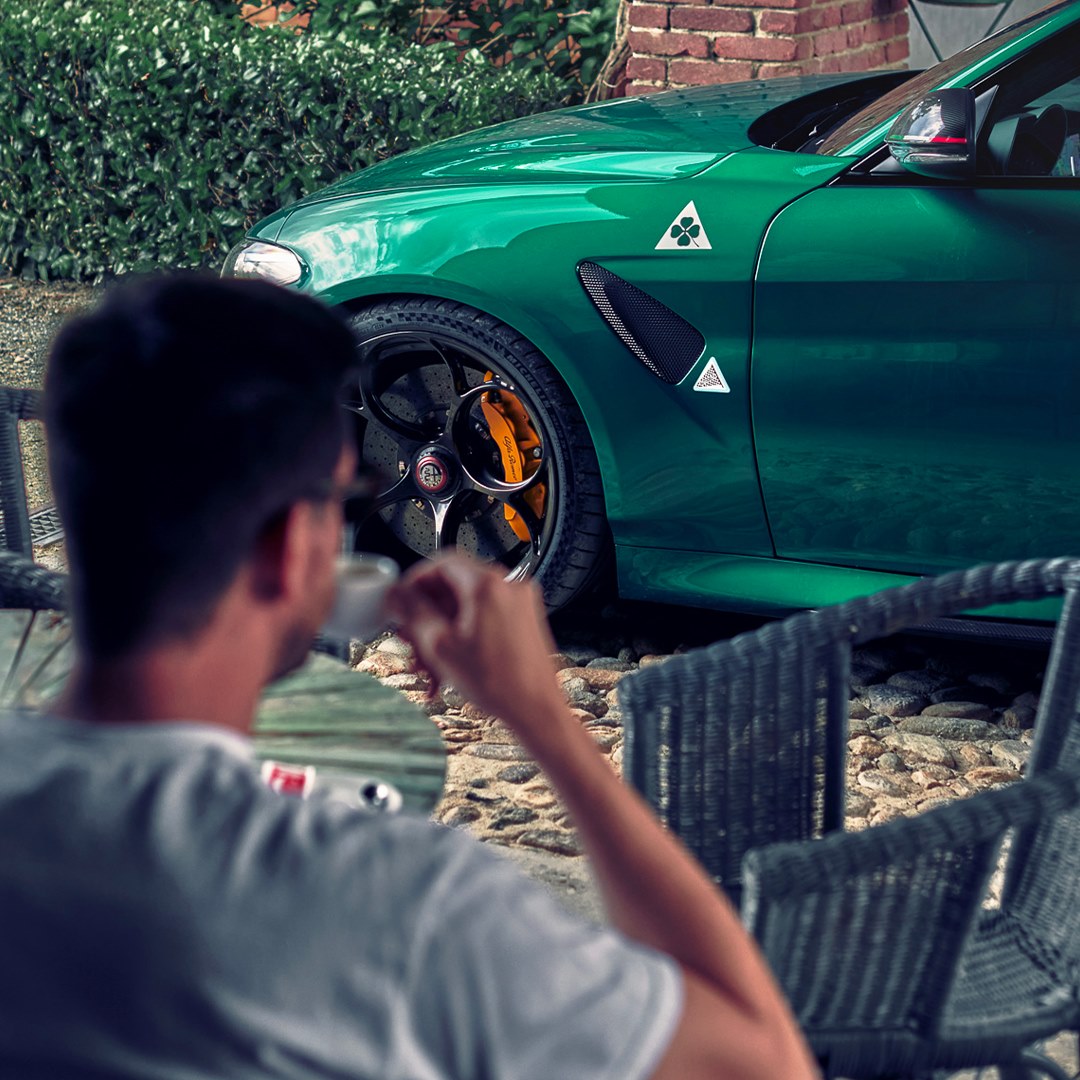
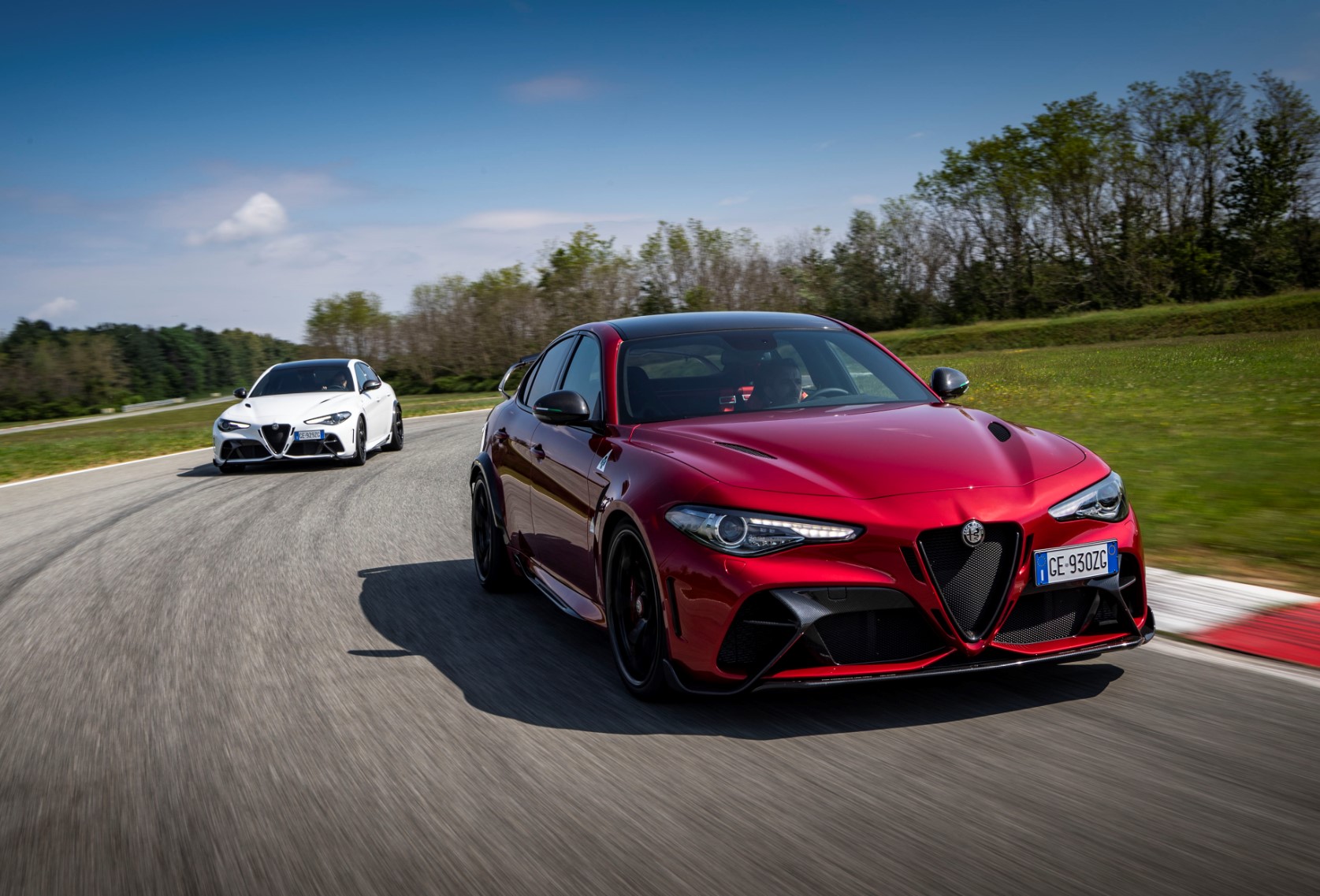
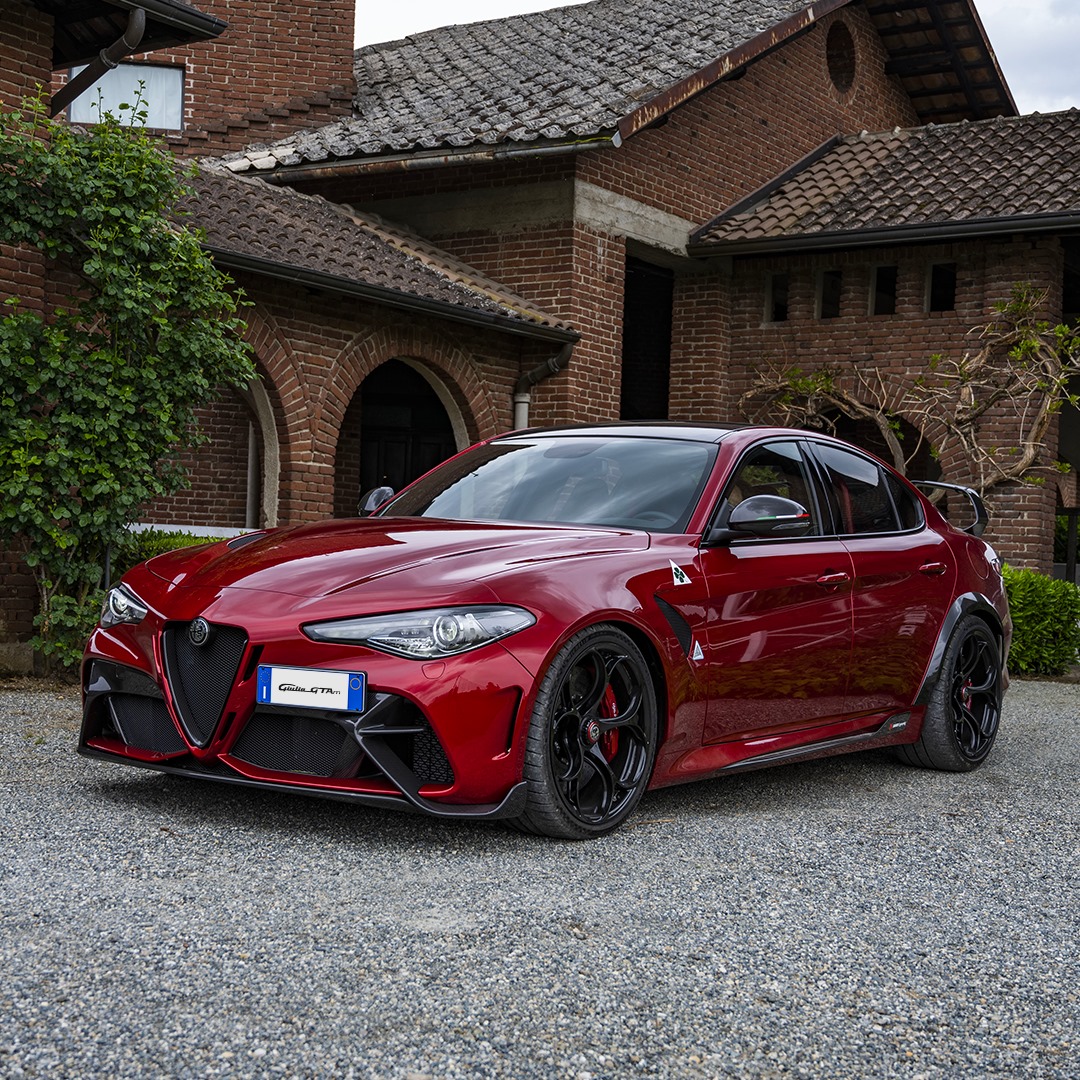
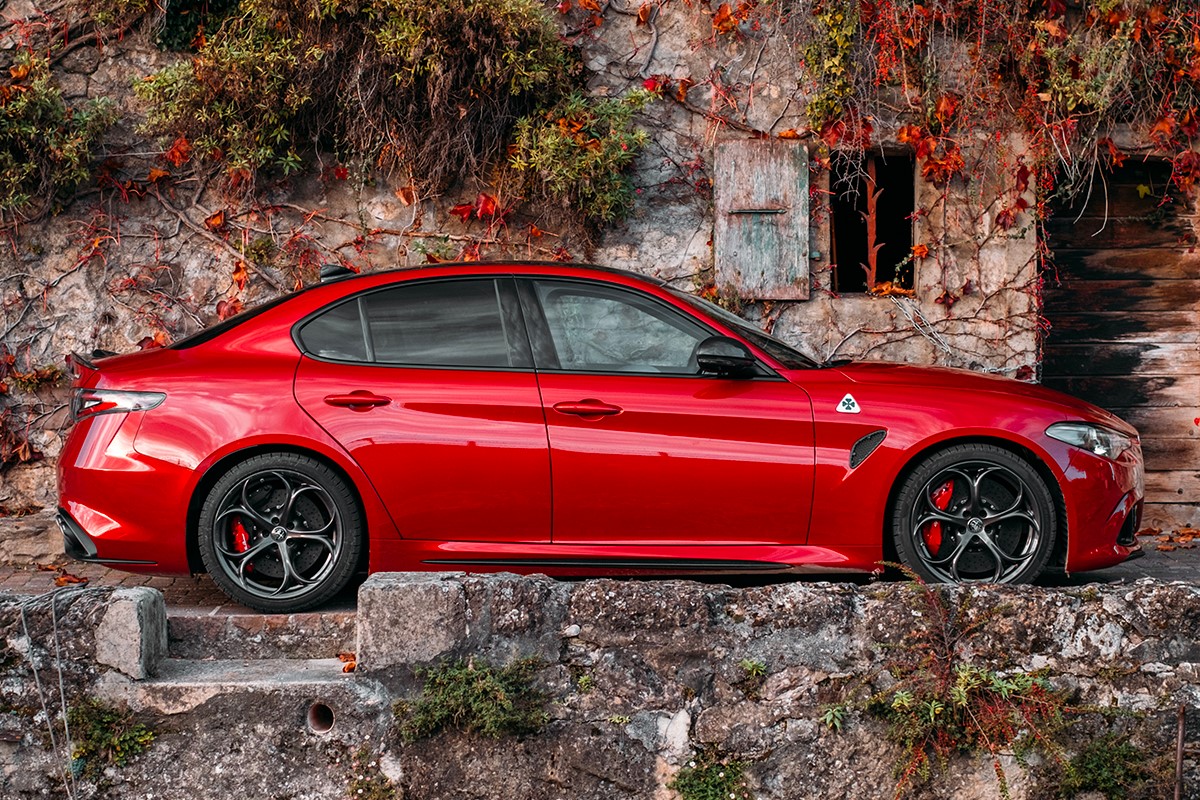
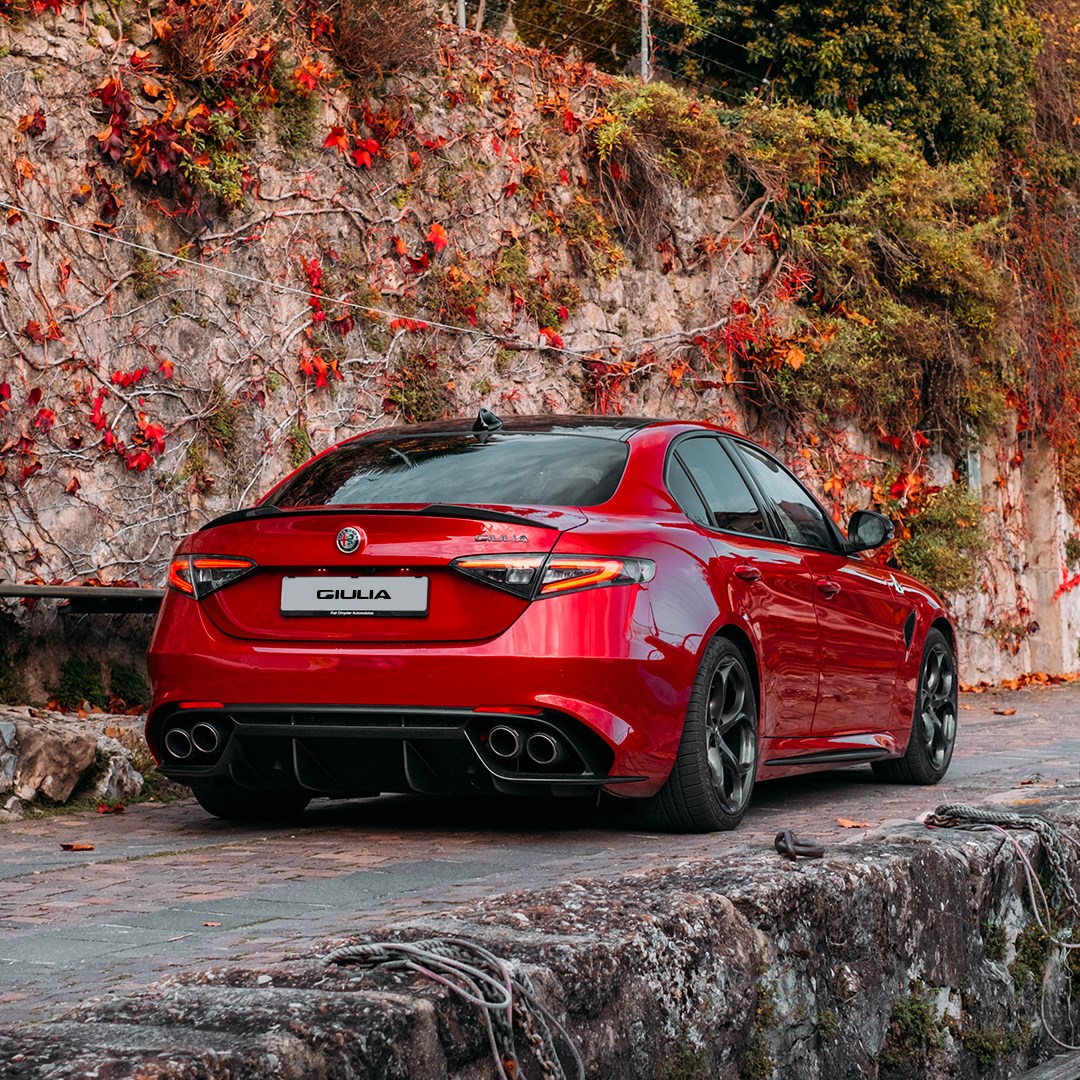
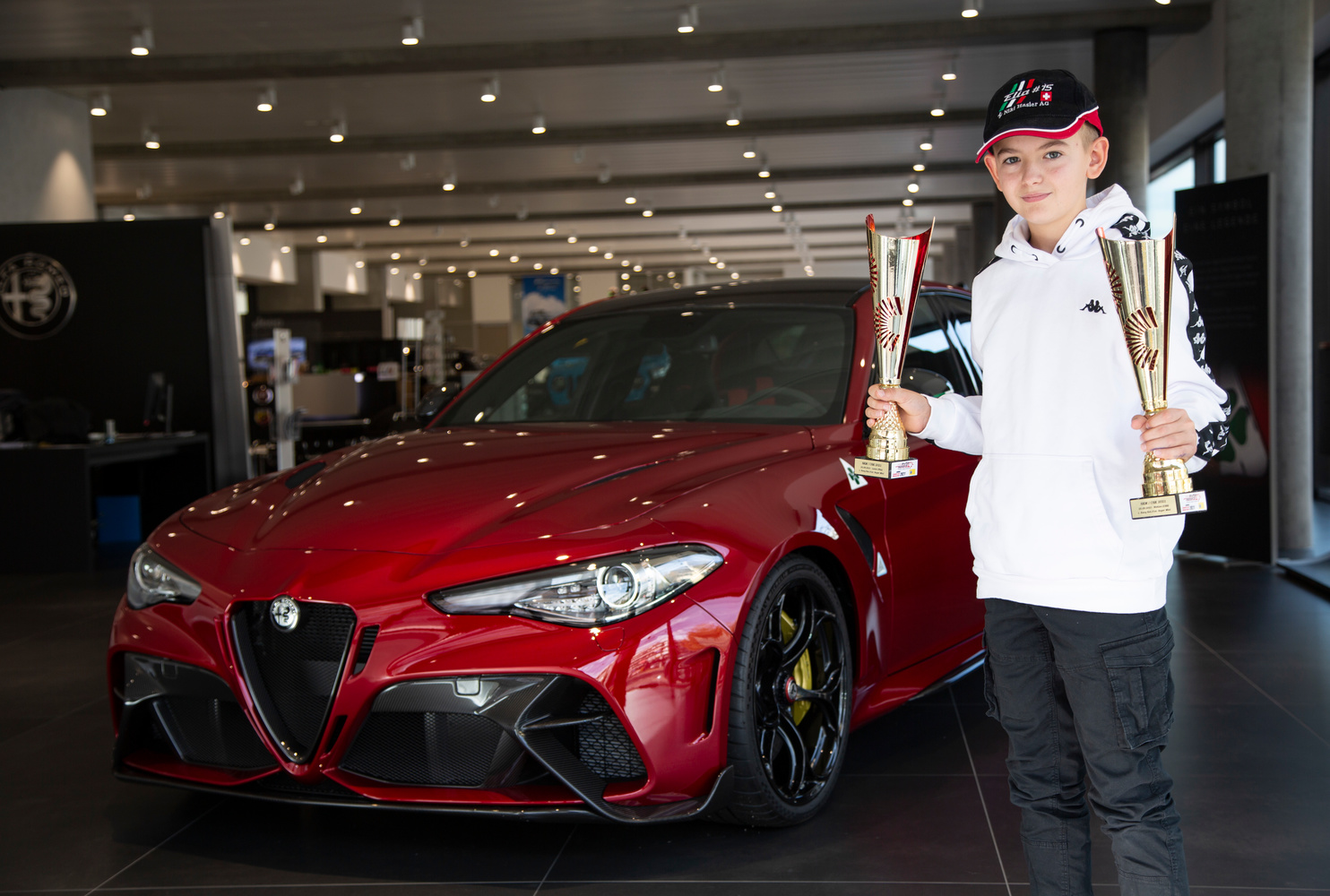
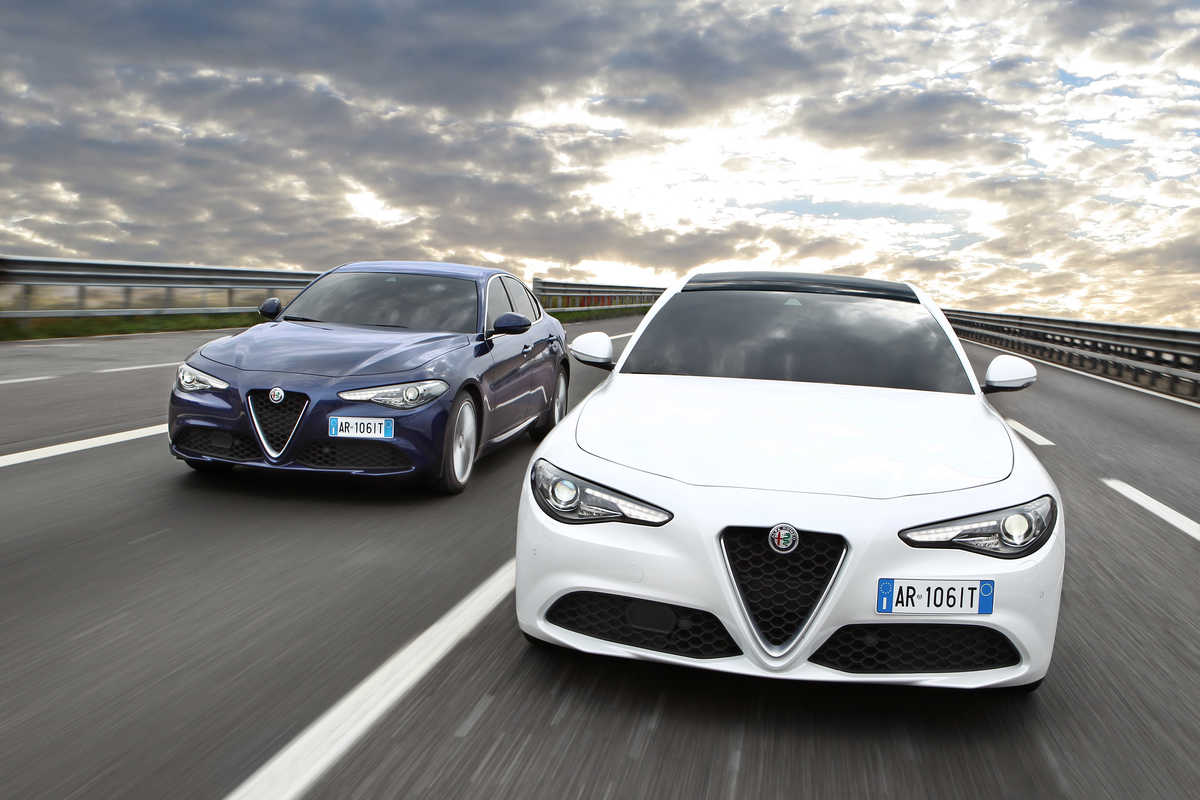
GTA, Gran Turismo Alleggerita: this designation steps out of the history books and takes shape in a limited-edition version of the Giulia Quadrifoglio. As one of the most eagerly awaited cars of the year, it is enough to recall that 500 units will be built and that it was created with the aim of making it a weapon for the track, where it must shine thanks to its balance and its ease of driving, smoothing out certain ‘rough edges’ in the character of the Quadrifoglio on which it is based. At Alfa they expect that 60 percent of customers will choose the GTAm, the two-seater rather than four-seater variant, mechanically identical to its sister but with greater aerodynamic downforce that is also manually adjustable. Derived from the highest-performance saloon, the Giulia GTA and Giulia GTAm are fitted with an uprated version of the Alfa Romeo 2.9 V6 Bi-Turbo engine with 540 hp. The extensive use of ultralight materials such as carbon fibre, aluminium and composites gives the Giulia GTAm an exceptional weight-to-power ratio, thanks to a weight reduction of 100 kg.
A win a day with the everyday car. The Giulia GTA’s success in competition was immediate, allowing it to enter the collective imagination as the undisputed icon of the Biscione’s sportiness. It won three consecutive “Challenge Europeo Marche”, dozens of national championships and hundreds of individual races in every part of the world. The Giulia Sprint GTA indeed best embodied the claim “a win a day with the everyday car”.
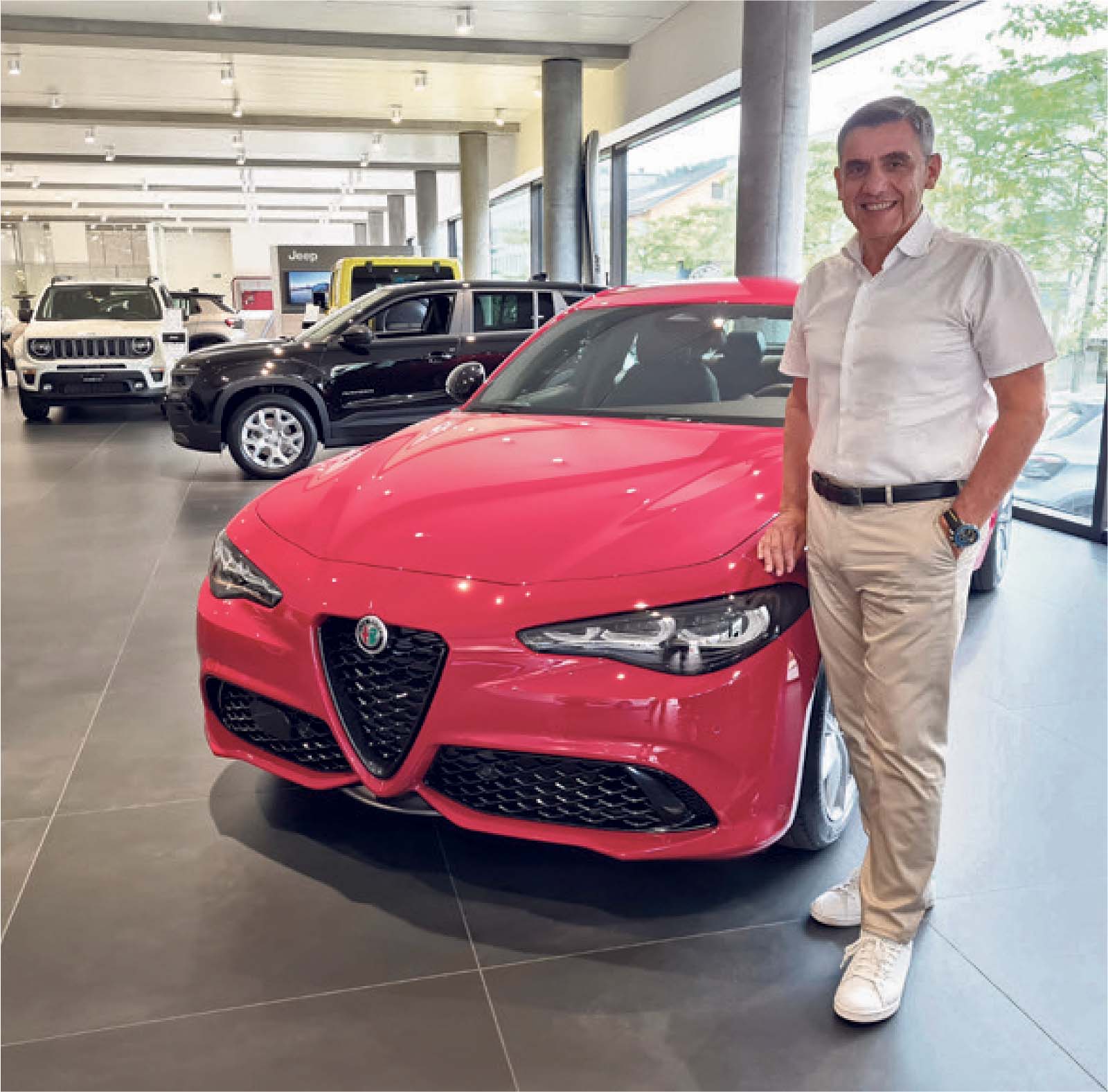
Request more information directly from City Garage Wettingen (advice in all languages, including Italian)
City Garage Wettingen
Landstrasse 108
5430 Wettingen
Tel. 056 437 20 70
info@citywettingen.ch
www.citywettingen.ch