Pubblicità




There's news that, for once, doesn't come from far away. UEFA's Executive Committee has awarded EURO 2032 to Italy and Turkey, who will jointly host the tournament, and for those of us living down here it sounds different from the usual sports announcement. It means having a European Championship final phase just a few hours from Zurich, Basel or Lugano: matches to watch live without intercontinental flights and without trips to plan a year in advance. For a community that carries Italy in its heart and can reach it in a day, this is no small detail. And, as happens with the best stories, it began almost by chance.
It will be the sixth European Championship hosted by more than one country. Before there were Belgium and the Netherlands in 2000, Austria and Switzerland in 2008, Poland and Ukraine in 2012, the pan-European edition of 2020 played in eleven cities in the summer of 2021, and the 2028 tournament awarded to the United Kingdom and Republic of Ireland.
For Italy it's the fourth time as host. It organized the 1968 and 1980 European Championships alone, while in 2021 Rome's Stadio Olimpico hosted four matches, including the opening game. Turkey, on the contrary, had never succeeded: after years of rejected bids, 2032 will be its first time ever.
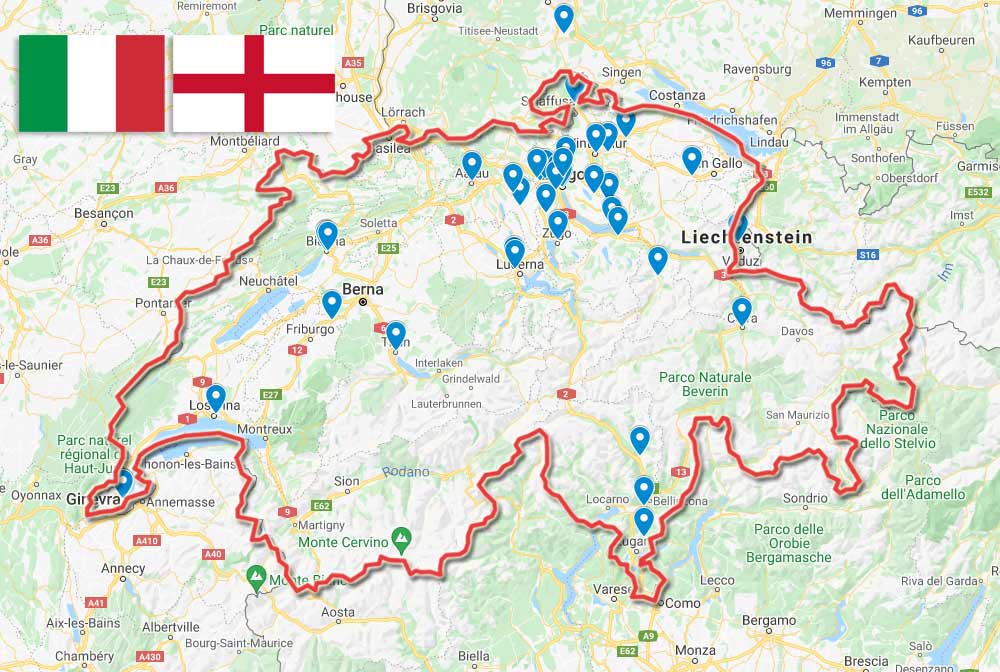
The two federations have put forward a long list of venues. By October 2026 UEFA will choose the ten final host cities, five per country. Here, map in hand, is where the European Championship could be played: from Northern Italy a stone's throw from us to Turkish cities.
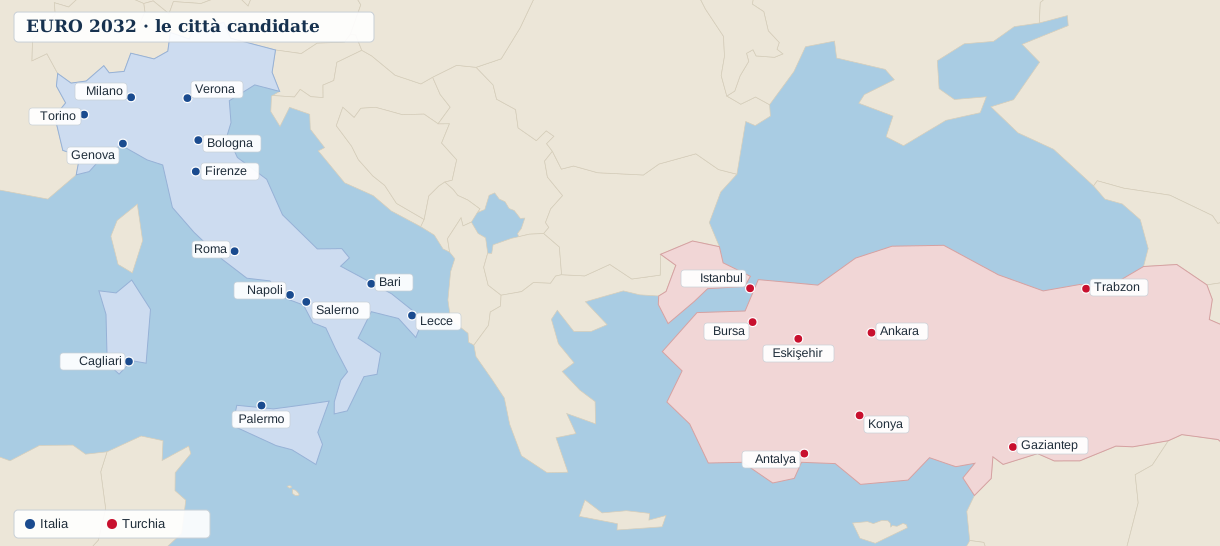
The candidate cities for EURO 2032: in blue Italy, in red Turkey.
On the Italian front the list is long and includes the big names and several projects to be renovated or built from scratch.
| City | Stadium | Capacity | Status |
|---|---|---|---|
| Milan | New Milan Stadium | 71,500 | new |
| Rome | Stadio Olimpico | 70,600 | to be renovated |
| Naples | New Napoli Stadium | 70,000 | new |
| Rome | New AS Roma Stadium | 60,605 | new |
| Bari | Stadio San Nicola | 58,270 | to be renovated |
| Naples | Stadio Maradona | 54,726 | to be renovated |
| Rome | Stadio Flaminio | 50,750 | to be renovated |
| Florence | Stadio Artemio Franchi | 47,282 | under renovation |
| Turin | Juventus Stadium | 41,685 | existing |
| Verona | Stadio Marcantonio Bentegodi | 39,211 | to be renovated |
| Salerno | Stadio Arechi | 37,800 | to be renovated |
| Palermo | Stadio Renzo Barbera | 36,365 | to be renovated |
| Bologna | Stadio Renato Dall'Ara | 36,000 | to be renovated |
| Genoa | Stadio Luigi Ferraris | 33,205 | to be renovated |
| Lecce | Stadio Via del Mare | 32,000 | to be renovated |
| Cagliari | New Stadium | 30,000 | new (delayed) |
Italian bids, by capacity. Source: bid dossier.
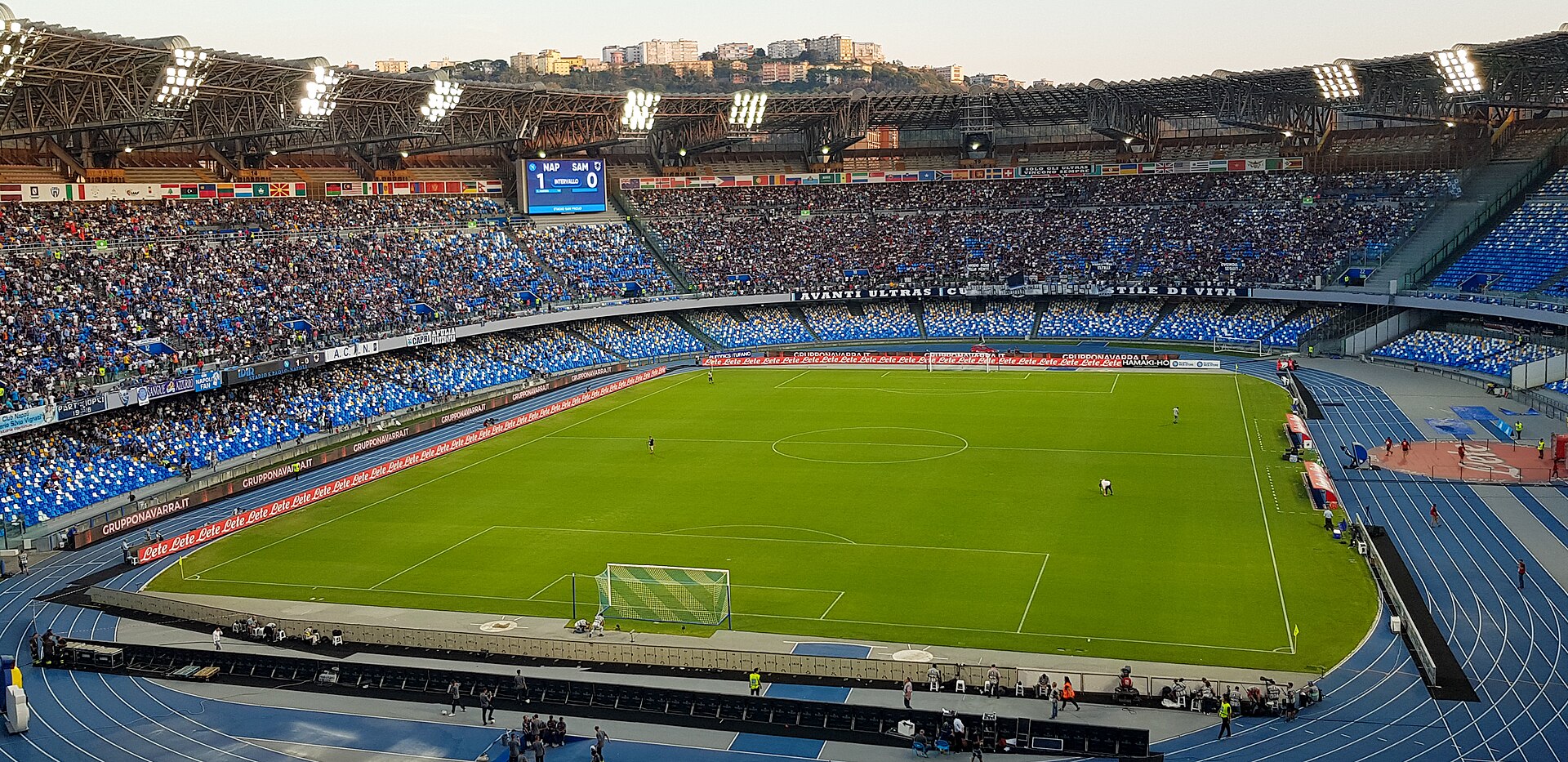
The Maradona stadium in Naples on a championship evening. Photo: Gaetano Capaldo, CC BY 4.0, via Wikimedia Commons.
In Turkey the focus remains Istanbul, with three venues in the running, flanked by Anatolian host cities.
| City | Stadium | Capacity | Status |
|---|---|---|---|
| Istanbul | Atatürk Olympic Stadium | 77,563 | to be renovated |
| Istanbul | Ali Sami Yen Sports Complex | 53,978 | existing |
| Ankara | New Ankara Stadium | 51,160 | new |
| Istanbul | Şükrü Saracoğlu Stadium | 47,430 | to be renovated |
| Bursa | Centennial Atatürk Stadium | 43,361 | existing |
| Konya | Konya Metropolitan Municipality Stadium | 41,600 | existing |
| Trabzon | Şenol Güneş Sports Complex | 40,980 | existing |
| Gaziantep | Gaziantep Stadium | 35,574 | existing |
| Antalya | Antalya Stadium | 32,537 | existing |
| Eskişehir | Fethi Heper Stadium | 32,500 | existing |
Turkish bids, by capacity.
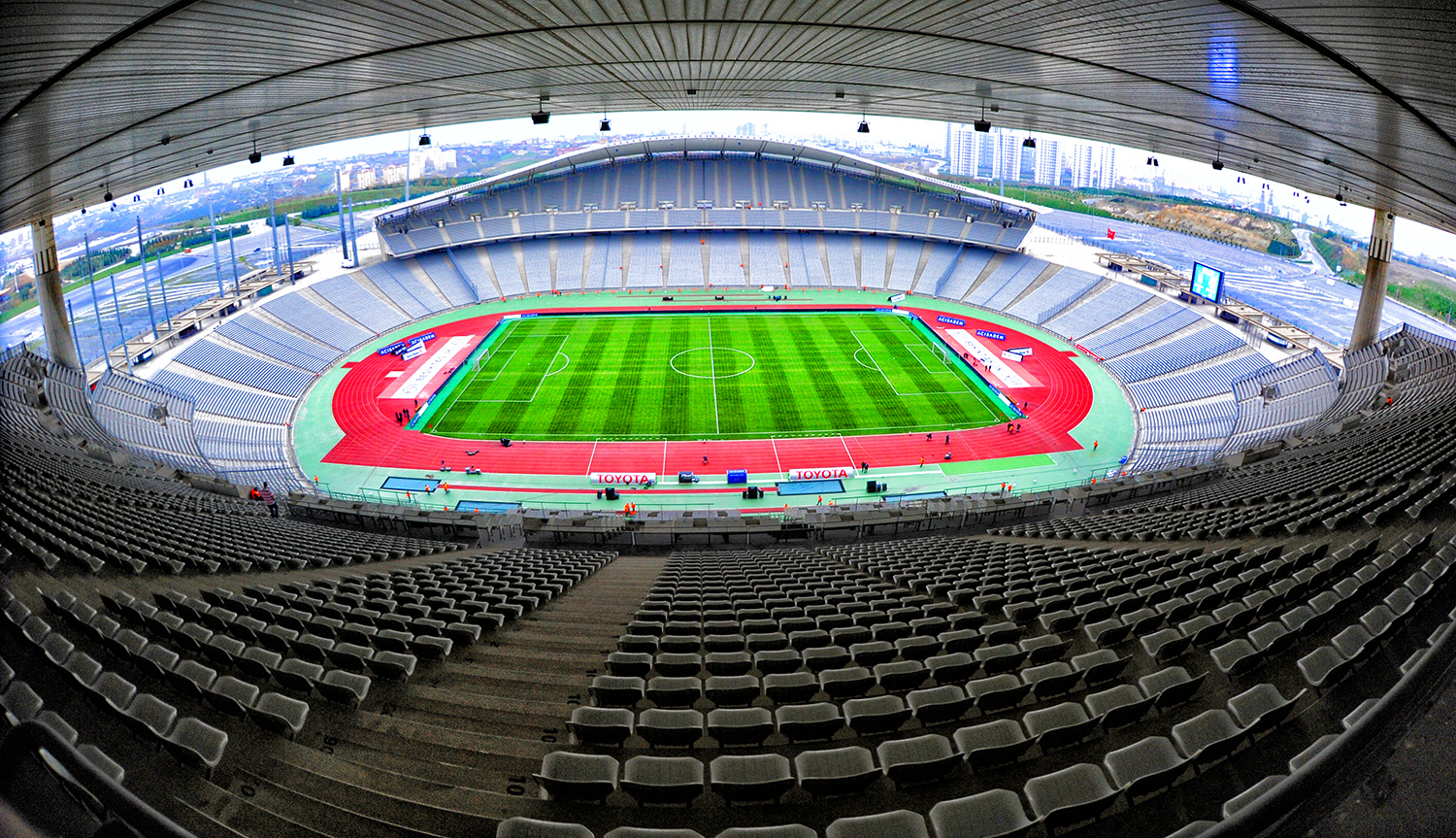
The Atatürk Olympic Stadium in Istanbul, the largest on the list. Photo: Валерий Дед, CC BY 3.0, via Wikimedia Commons.
The issue, especially in Italy, is always the same: stadiums. A good part of the list concerns venues to be renovated or built from scratch, and the October 2026 deadline will also help determine which projects have a genuine construction site behind them, and not just a nice rendering.
And here comes the part that closely affects us. If Northern Italian venues entered the final list, it would change everything for our local fans. Milan is about three and a half hours by direct train from Zurich, Turin and Verona are within a day's range, Genoa a little further. For Italian families in German and French-speaking Switzerland, and naturally for Ticino, it would mean organizing a day trip or with just one overnight stay. A European Championship within reach of a train ticket.
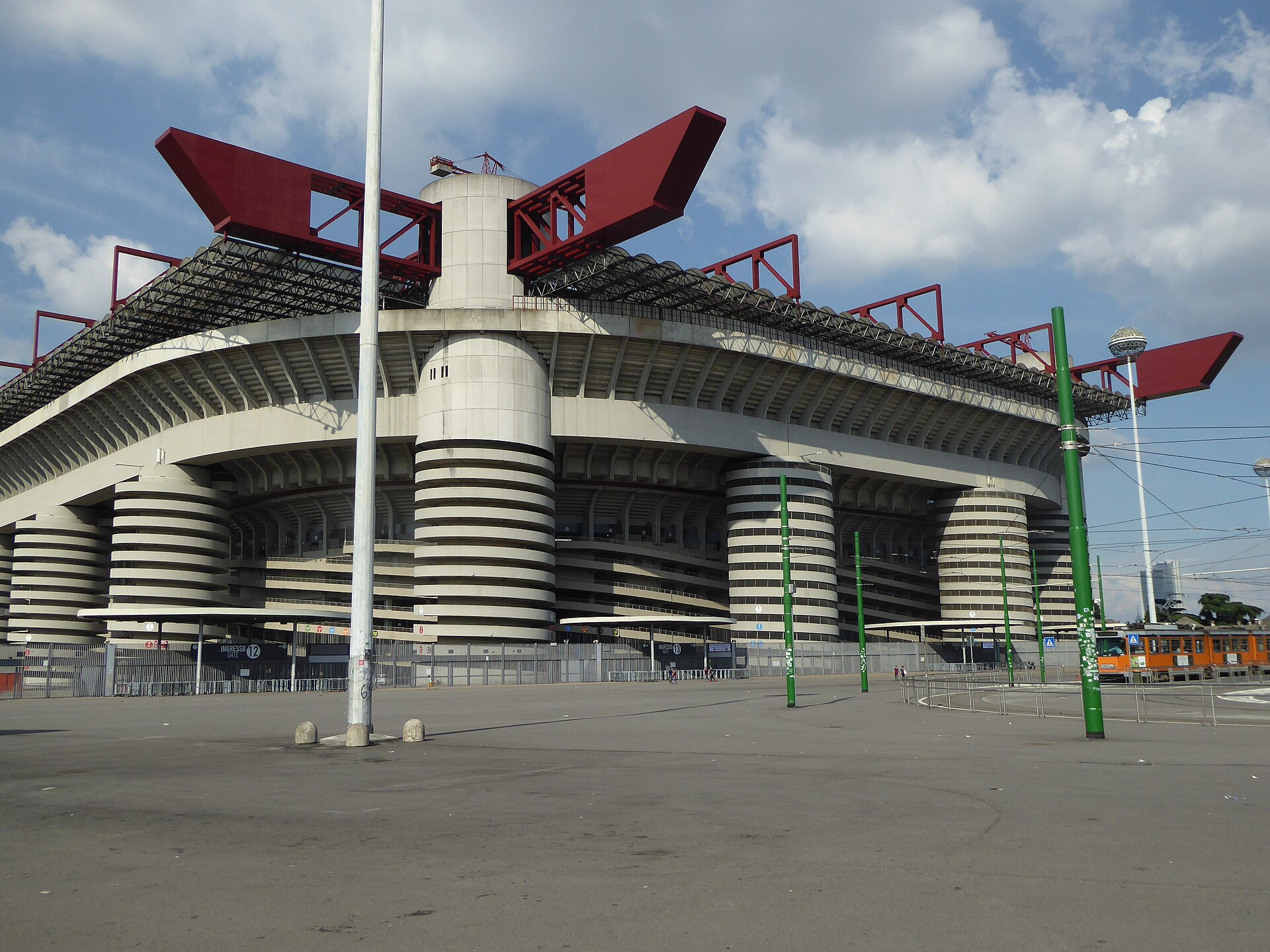
San Siro in Milan, about three and a half hours by train from Zurich. Photo: Ardfern, CC BY-SA 4.0, via Wikimedia Commons.
We know a precedent well, after all: Switzerland already organized a shared European Championship, in 2008 with Austria. That time we saw how much the flow of fans across borders weighs on trains, hotels and commerce. In 2032 the country won't be among the organizers, but risks being one of the hottest audience reservoirs for Lombard and Piedmont stadiums.
The motto chosen by the two federations is "Play as One". Beyond the formula, the part of the project dedicated to legacy looks at grassroots football: summer camps and centers for young people, schools and amateur clubs more closely linked, sports programs for disadvantaged youth.
It's the aspect that speaks most directly to us too, to the fabric of Italian associations abroad, where diaspora sports clubs are a social anchor even before being competitive. A European Championship played in Italy is a window of visibility and, perhaps, resources for youth projects that today continue through volunteer efforts.
Six years of work, construction sites and inspections remain. But a real appointment is already marked in red on the calendar: October 2026, when we'll know in which ten cities it will actually be played. And if Milan is among them, we already know who will take the train.